
Last updated August 27, 2026
Free in-home measure and quote - PGT, CGI and CWS impact lines compared on your actual openings, style by style
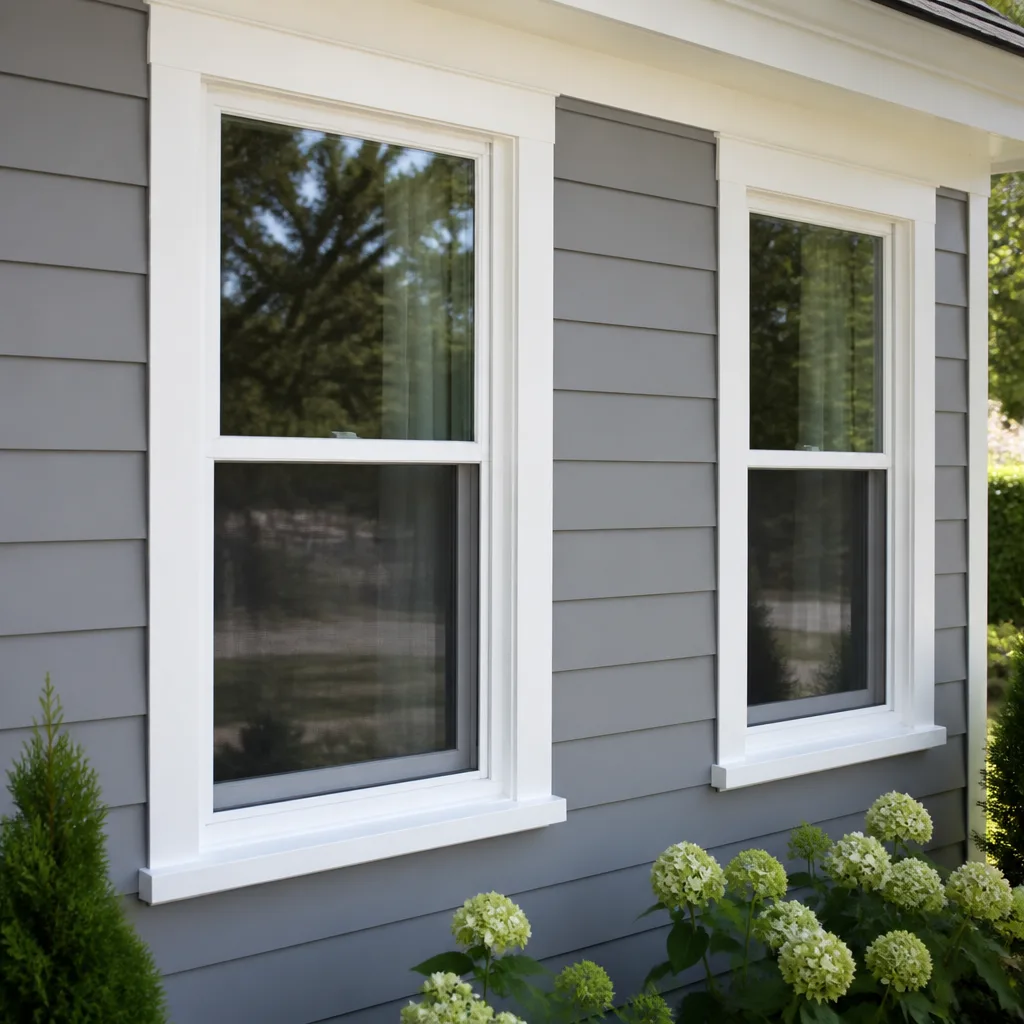
Double hung
Casement
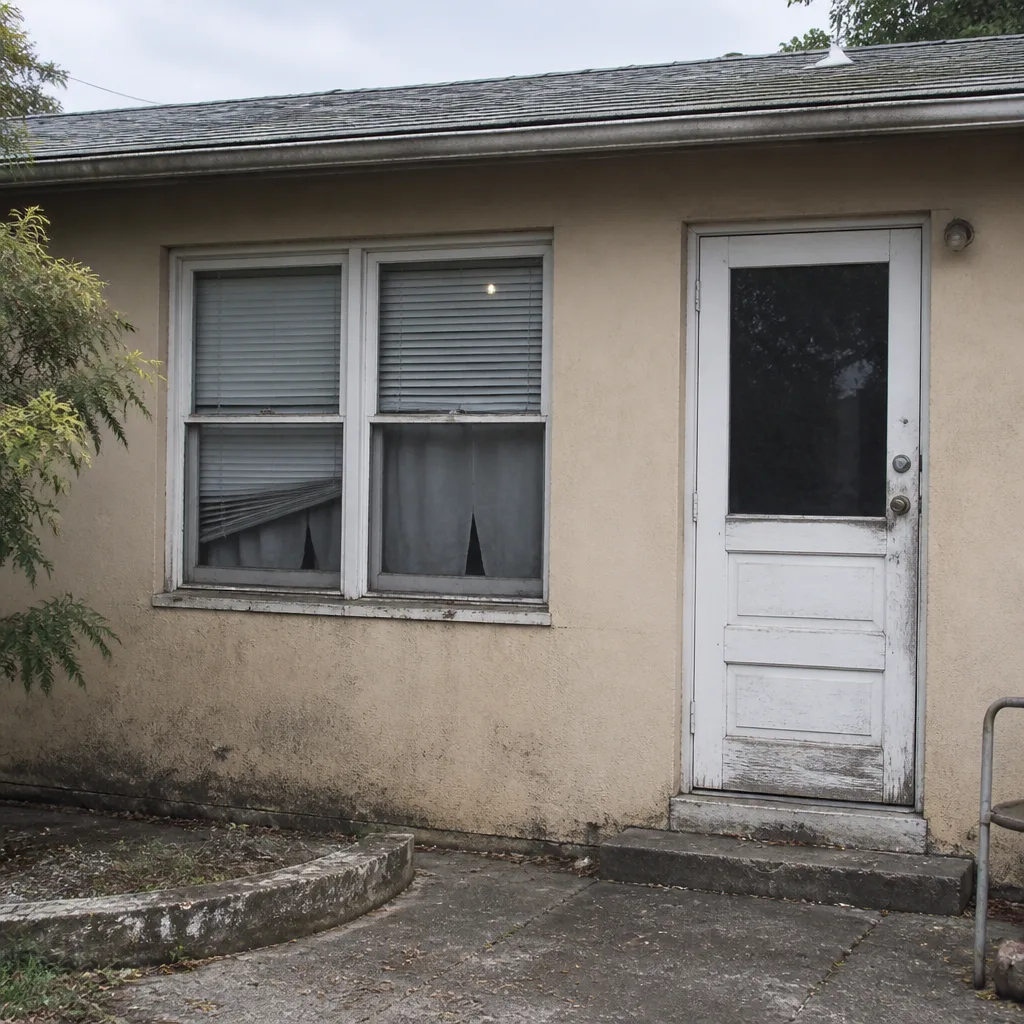 Before
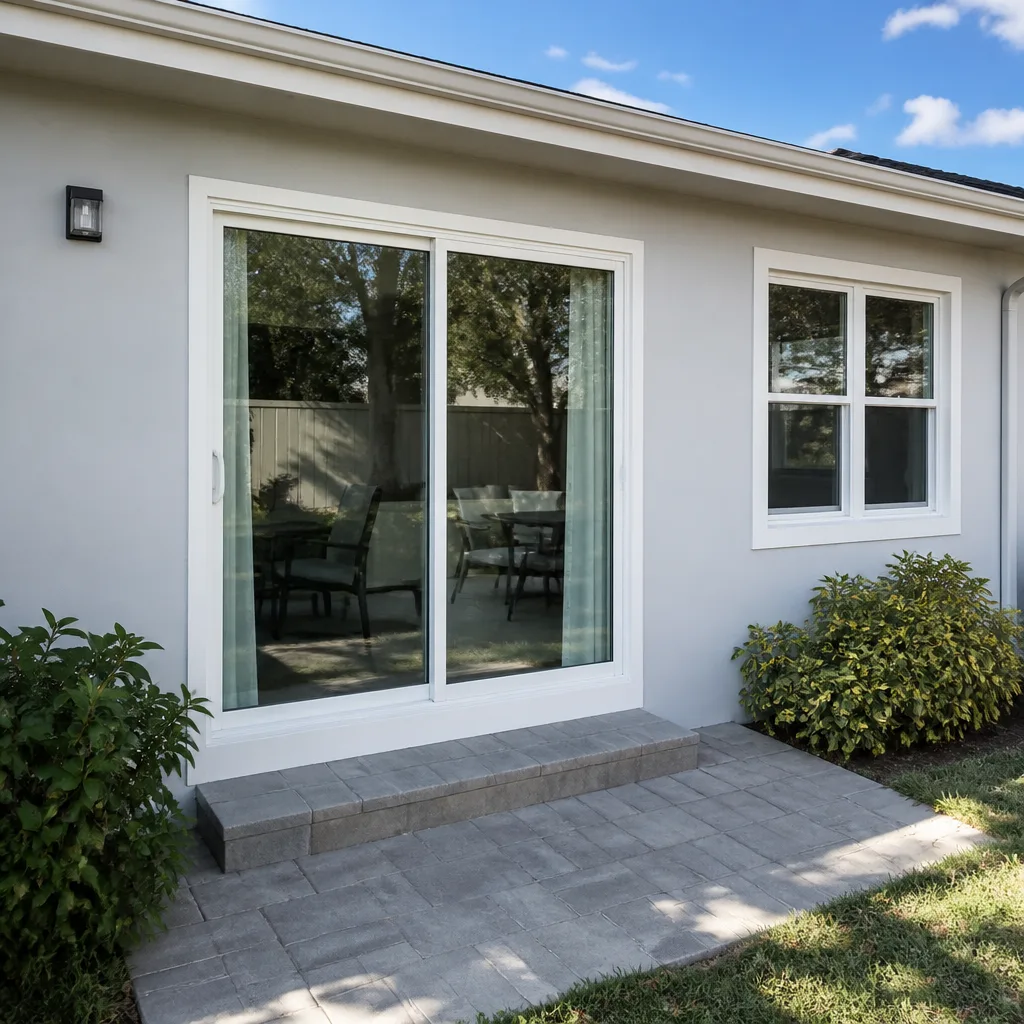 After
After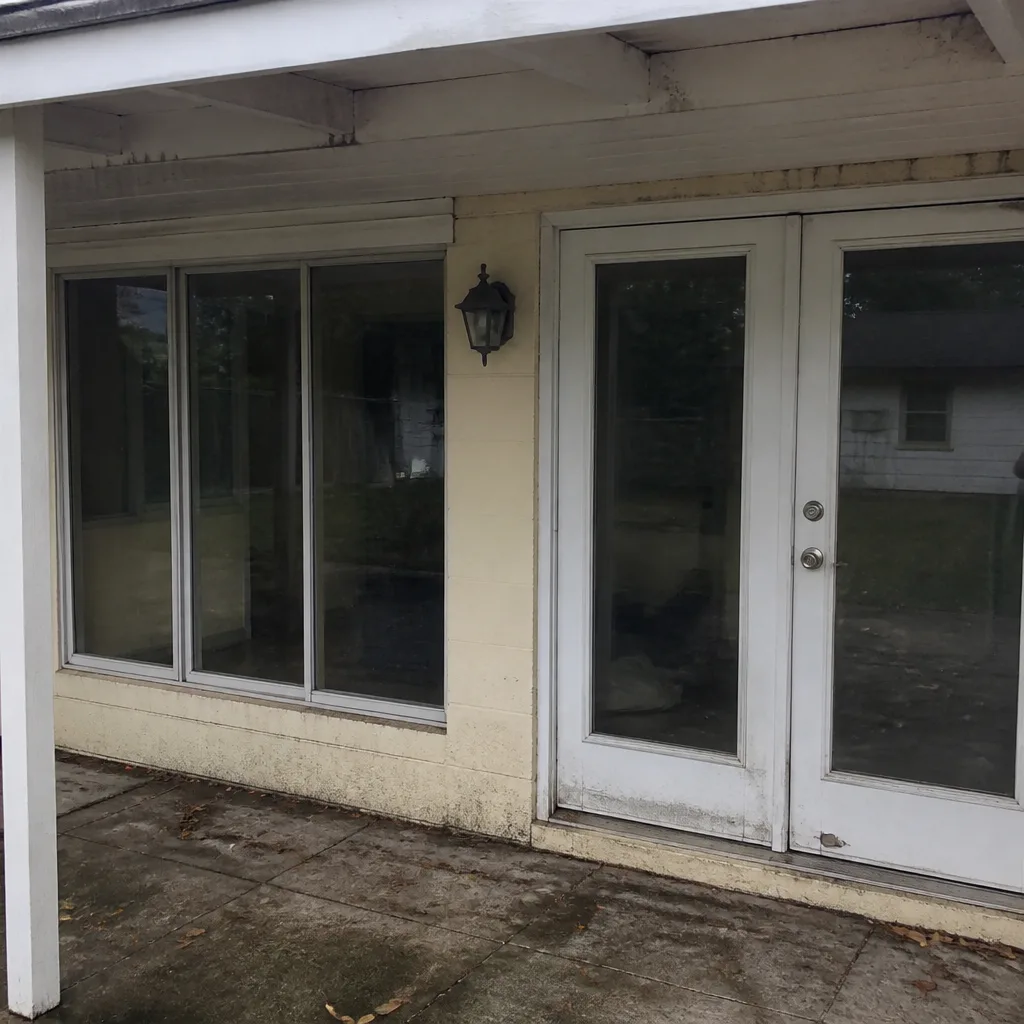 Before
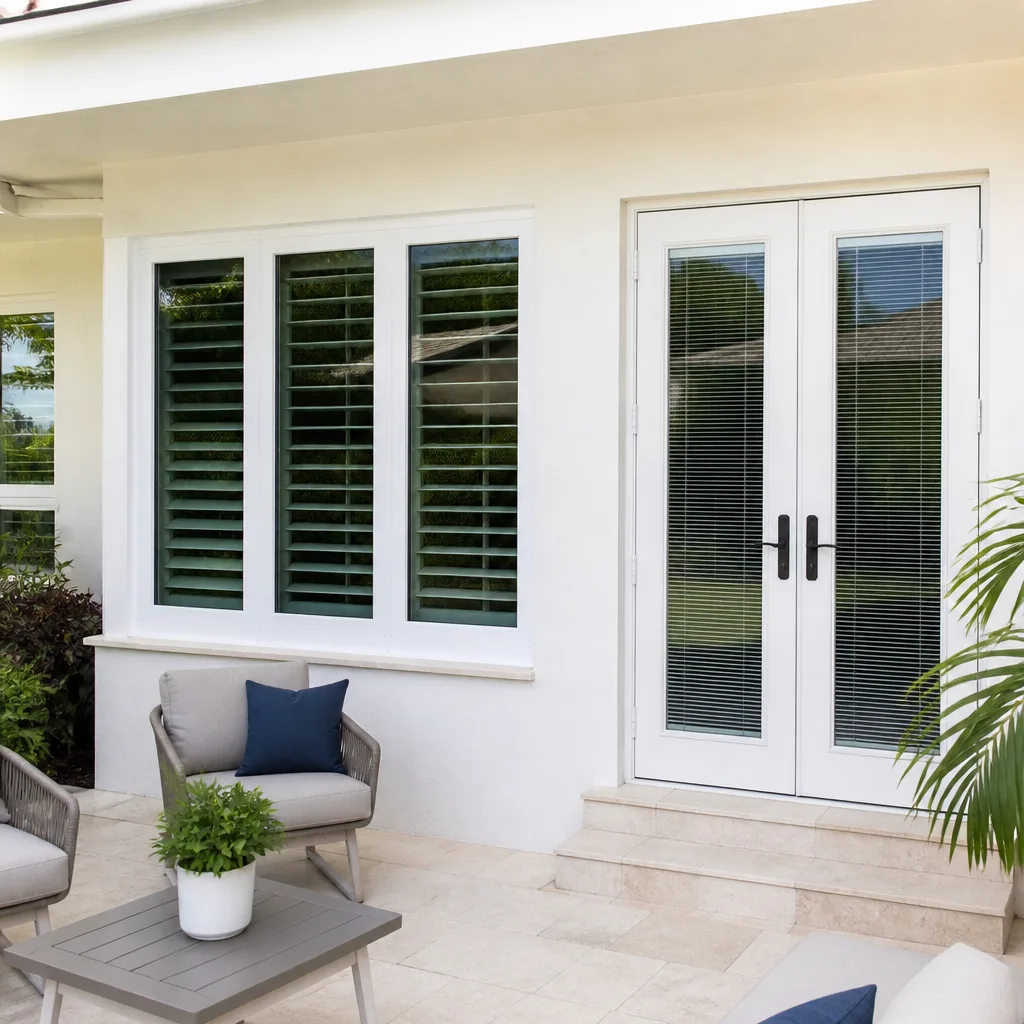 After
After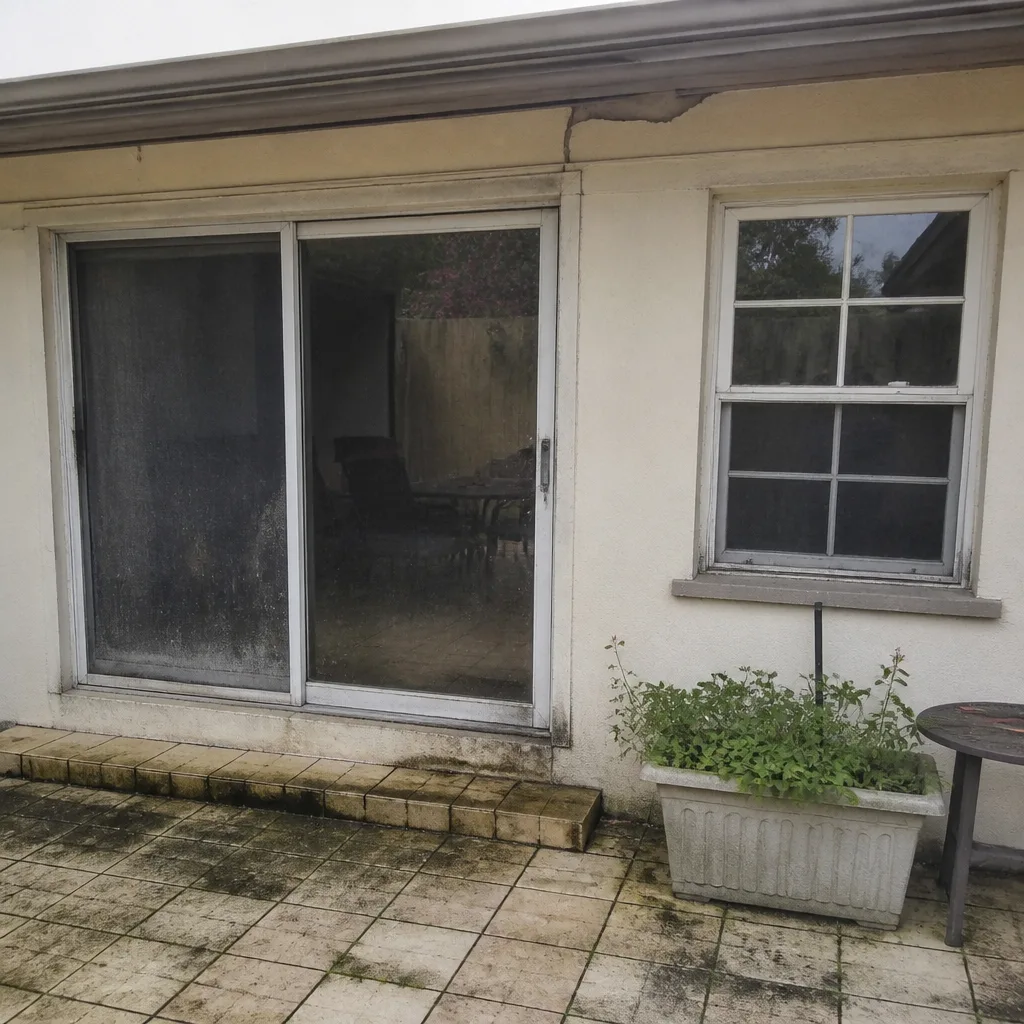 Before
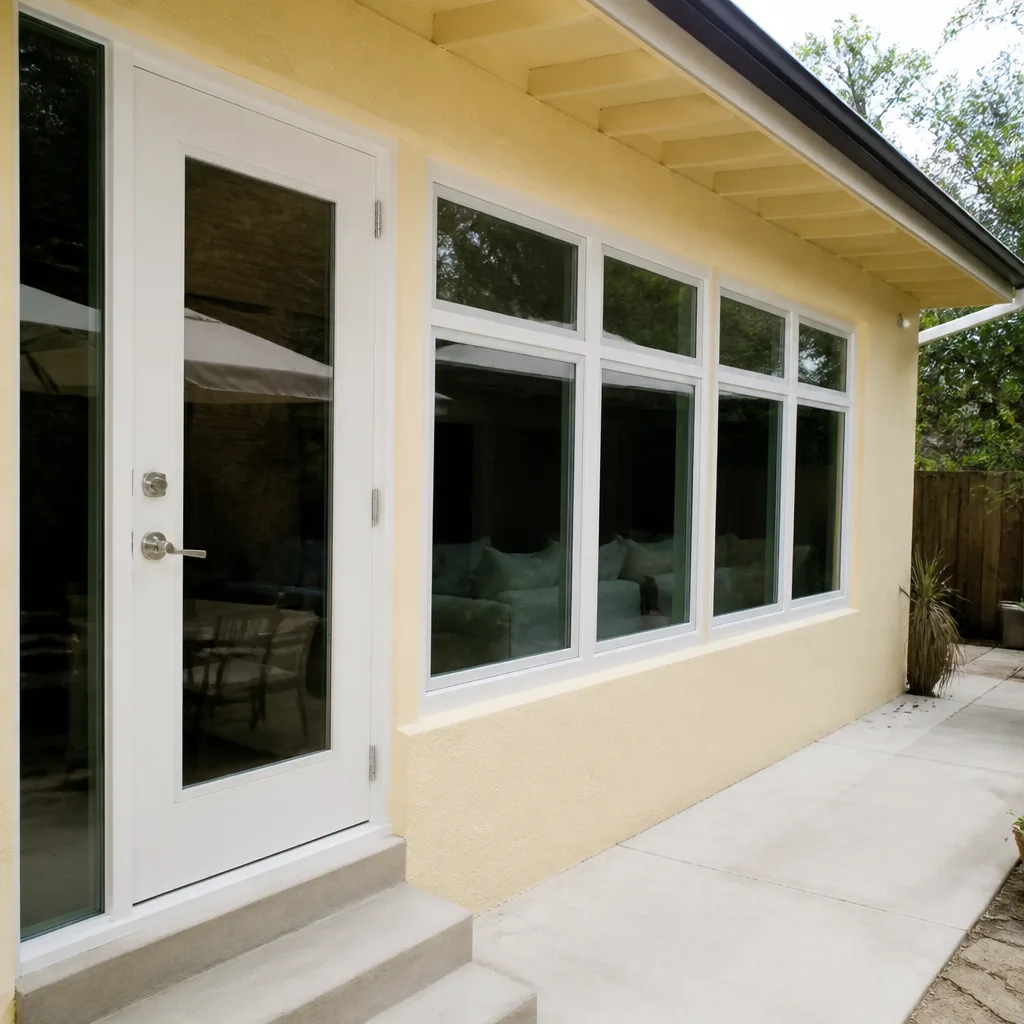 After
AfterHow to Hire a Windows & Doors Contractor in Westchester: A Step-by-Step Guide
Florida’s DBPR license lookup takes 45 seconds. Fewer than one in ten homeowners in Westchester actually run it before signing a windows contract. That single shortcut cost Miami-Dade residents millions in botched post-Irma installs, when out-of-state crews swept through, collected deposits, and vanished before the caulk dried. This guide and our more guides & resources give you the exact questions, license checks, and contract terms that separate accountable local installers from crews that leave town after final payment. We’ve spent over a decade installing windows and doors here, and we’ll tell you precisely what we’d check if we were hiring for our own home.
Quick Answer
To hire a windows and doors contractor in Westchester, FL: verify their Florida DBPR license matched to the specific classification your project requires (building contractor, residential contractor, or specialty structure contractor), confirm they pull their own permits in Miami-Dade County, demand a written contract that separates workmanship warranty from manufacturer warranty, and check references for HVHZ-rated installs specifically, not just general satisfaction. A legitimate local contractor will pass all four checks without hesitation and offer free written estimates.
Table of Contents
- The Three Florida License Classifications That Matter for Window and Door Work
- How to Verify a License on DBPR in Real Time
- Why the Permit Question Is Non-Negotiable in Miami-Dade County
- Contract Clauses That Protect You: Workmanship Warranty vs. Manufacturer Warranty
- How to Evaluate References for HVHZ-Rated Installs
- The Post-Storm Surge Warning: Spotting Out-of-State Crews in Westchester
- Your 10-Point Hiring Checklist
- Common Mistakes to Avoid
The Three Florida License Classifications That Matter for Window and Door Work
Florida licensing is designed to confuse homeowners, and it works. The state issues dozens of license types, but for window and door replacement in Westchester, three classifications cover the legitimate work you’re hiring for. Know which one your project requires before you invite a single contractor to your door.
- Certified Building Contractor (CBC): The broadest credential. A CBC can pull permits for structural work that touches load-bearing walls, which matters if your window replacement involves enlarging openings or resizing headers. In Westchester homes built from the 1950s through the 1980s, we regularly find openings that are not square and headers that need reinforcement before new impact windows fit properly. That work requires a CBC.
- Certified Residential Contractor (CRC): Authorized for remodeling and repairs on single-family homes and duplexes, including window and door replacement, when the structural opening remains unchanged. For a straight replacement where the existing rough opening stays as-is, a CRC is appropriate and fully qualified.
- Specialty Structure Contractor (SCC): In Florida, window and door installation fall under specialty structure work in certain contexts. Some installers carry this credential, which covers work limited to one trade or component. The catch is scope: an SCC may not be able to pull a comprehensive building permit that includes related repairs to framing, stucco, or waterproofing.
Here’s what we tell homeowners in Westchester every week: ask the contractor which classification they hold, write it down, then verify it. Do not accept “we’re licensed and insured” as an answer. That sentence means nothing until you see the number and the classification attached to it.
Our advice: if your project involves any structural modification beyond a like-for-like swap, work with a contractor holding a CBC or CRC credential. The safest route is to confirm the classification matches the actual scope of work your home needs, because pulling a permit outside a license classification invalidates the permit entirely.
How to Verify a License on DBPR in Real Time
The Florida Department of Business and Professional Regulation maintains a public database at myfloridalicense.com. The lookup takes under a minute, and it gives you information no website or sales pitch will volunteer.
- Go to myfloridalicense.com and select “Verify a License” from the homepage.
- Enter the contractor’s license number, business name, or the owner’s personal name. Use the license number when possible. Names return multiple results, and two contractors can share a business name.
- Check the license status. It must say “Current, Active.” Anything else, including “Delinquent,” “Null and Void,” or “Revoked,” means walk away.
- Look at the original issue date. A license issued six months ago is a different risk profile than one issued in 2010. We’re not saying new contractors are bad, but in Westchester’s HVHZ wind environment, experience with Miami-Dade code conditions matters.
- Check for complaints and disciplinary actions. The DBPR database lists any formal disciplinary action. A clean record is good. A record with a resolved complaint is worth asking about. Multiple code violations are disqualifying.
- Verify the qualifying agent. Florida licenses are often held by a “qualifier,” a person who lends their credential to a company. Confirm the qualifier actually works with the company and is reachable. If the company cannot tell you who their qualifier is, that’s a red flag.
We’ve seen homeowners in Westchester skip this 45-second check and sign with a company whose license expired two years prior. The DBPR lookup is not optional. It’s the first line of defense against unlicensed work that your insurance company may refuse to cover.
At Winslow Windows & Doors, our license number is published on our website and available on request. Ed Winslow’s name is on the business, and our license is current, active, and verifiable in real time. That’s the standard every contractor in Westchester should meet.
Why the Permit Question Is Non-Negotiable in Miami-Dade County
Miami-Dade County has the strictest building code in the United States. It’s not close. The High-Velocity Hurricane Zone (HVHZ) provisions apply to every window and door replacement in Westchester, and the county enforces them through the permitting and inspection process. A contractor who says a permit is unnecessary for window replacement is either ignorant or lying.
Here’s the exact question to ask: “Will you or your company pull the permit, and will the permit be in your company’s name?”
The answer must be an immediate yes, from the company, not the homeowner. Contractors who ask homeowners to pull their own permits are shifting liability. In Miami-Dade, when you pull a permit as the homeowner and the work fails, the liability is yours. The contractor walks away clean. Never accept this arrangement.
Pulling the permit yourself also positions you, legally, as the contractor for that project. That means you assume responsibility for code compliance, worker safety, and insurance claims. Your homeowner’s policy likely excludes coverage for work done under an owner-builder permit. This is one of the most common cost-cutting tricks that unlicensed or underinsured crews use in Westchester.
Our stance: Winslow pulls every permit, schedules every inspection, and stands behind every sign-off. When the county inspector approves the final installation, the work is closed out properly, and your property records reflect a permitted, compliant installation. That matters when you sell the home. Unpermitted window work is flagged during most Miami-Dade real estate transactions and can kill a sale.
A proper window installation in Westchester includes permitting as a core part of the job, not an add-on. If a contractor hesitates when you ask about permits, end the conversation.
Contract Clauses That Protect You: Workmanship Warranty vs. Manufacturer Warranty
The most common warranty scam in the window and door industry is conflation. A contractor tells you the windows carry a “lifetime warranty,” and you assume the entire project is covered. It’s not. The manufacturer’s warranty covers the window product, and the workmanship warranty covers the installation. These are separate, and you need both in writing.
What a Manufacturer Warranty Covers
Manufacturer warranties cover defects in the product itself: warped frames, failed seals, fogged glass, defective hardware. Brands like PGT, CGI, CWS all offer strong manufacturer warranties, typically 10 years to lifetime on the glass and frame components. These warranties follow the product, and they are honored by the manufacturer, not the installer.
What a Workmanship Warranty Covers
The workmanship warranty is the installer’s promise that the installation itself is sound: proper flashing, correct anchoring, watertight sealing, code compliance. In Miami-Dade’s HVHZ environment, installation defects are where water intrusion and air leaks actually come from. A window can be perfect and leak if it’s installed wrong.
Ask this question directly: “What does your workmanship warranty cover, and for how many years, in writing?” A legitimate workmanship warranty in this market should run 5 to 10 years and should specifically cover labor to remove and reinstall if the installation fails, not just the cost of caulk.
Winslow Windows & Doors backs every installation with the Done Right Promise. If it’s not done right, we make it right. That’s a standard of accountability written into every job.
Red Flags in Warranty Language
- “The product’s warranty covers everything” - false. Installation failures are not product defects.
- Workmanship warranties shorter than 2 years, or with no written terms at all.
- Warranty contingent on the contractor remaining in business. Westchester has seen enough storm-chasers to know that risk.
- No warranty on the flashing or waterproofing details, which are the most common failure points in HVHZ installs.
For more on what a full replacement involves, see our guide to window replacement in Westchester. The contract terms matter as much as the product.
How to Evaluate References for HVHZ-Rated Installs
References are only as good as the questions you ask. A contractor in Westchester should be able to provide references for HVHZ-rated installations specifically, not general “were they polite” satisfaction scores. Here’s what to ask, and why it matters.
Questions to Ask Past Clients
- Did the crew pull the permit, and did the county inspection pass on the first attempt? First-pass inspection approval is a signal that the installer understands Miami-Dade’s code requirements down to the anchoring detail.
- Did they use the correct HVHZ-rated anchors and fasteners? An informed past client may not know the exact anchor model, but they should know the installer talked about fastening schedules and product approvals. In Westchester, every impact window needs a Miami-Dade NOA (Notice of Acceptance). The installer should be able to produce it.
- How did the crew handle the existing opening? Reframing, leveling, and waterproofing old openings are the difference between a window that performs for 20 years and one that leaks in the first tropical storm. Ask whether the installer reinforced or repaired the opening, or simply dropped in a replacement.
- Were there any change orders, and were the final costs within the written estimate? Legitimate contractors in Westchester give firm line-item quotes and don’t nickel-and-dime after the fact. If the past client experienced surprise costs, that’s a pattern.
- If you had a problem after install, how quickly did they respond? The 36500-day standard matters. A contractor who ghosts after final payment will show that behavior in their reference responses.
Ask the reference whether they’d hire the contractor again for a different project. That single question tells you more than a five-star review.
In our experience, a good contractor’s references are current and specific. If a contractor in Westchester hands you a list of references from Orlando or Jacksonville, that’s a flag. Ask for clients in Miami-Dade, in HVHZ territory, with the same kind of installation you’re planning.
The Post-Storm Surge Warning: Spotting Out-of-State Crews in Westchester
After every major hurricane, out-of-state crews flood South Florida. They operate from rented storefronts, display Florida phone numbers obtained the week before, and tell homeowners they’re “fully licensed.” Many are not licensed in Florida at all, or they’re working under a borrowed license number that doesn’t belong to them.
Here’s how to identify them before they touch your home:
- They demand large deposits upfront. Florida law caps deposits at 10% of the total contract price for residential work, with a $1,000 maximum, for any contractor who is not bonded. Out-of-state crews routinely ask for 50% or more. This alone is a disqualifier.
- Their license number doesn’t verify on DBPR, or it verifies to a different company name. Always run the number. A license number that checks out to “Smith Builders LLC” when you’re talking to “South Florida Impact Windows” means the number is borrowed.
- They can’t produce proof of local workers’ compensation and liability insurance with a Florida policy. An out-of-state policy may not provide coverage for work performed in Florida. Demand a certificate of insurance naming Florida.
- They won’t give you a physical local address. A P.O. box in a strip mall is not a local presence. Westchester homeowners should expect a contractor with a published address in the county.
- They pressure you to sign today. A local contractor with a real reputation and a real workload does not need to close a deal on the spot. Anyone rushing you is managing a timeline, not your home.
- DBPR license verified as Current, Active, with a classification matching the scope. See Section 2. If the license number doesn’t verify, the conversation ends.
- Company pulls the permit in its own name, in Miami-Dade County. No owner-builder arrangements. No exceptions.
- Written contract separates workmanship warranty from manufacturer warranty. Both include specific durations and a written repair or replacement commitment.
- Written line-item quote, not a lump sum. You should see the cost of materials, labor, and permitting broken out. If they won’t itemize, they’re hiding margin or inflating scope.
- Local references with recent HVHZ installs in Miami-Dade. Called them. Asked the exact questions from Section 5.
- Proof of Florida workers’ compensation and liability insurance. A certificate of insurance naming the company, delivered directly from the agent.
- Miami-Dade NOA (Notice of Acceptance) for every window and door product being installed. This is non-negotiable in the HVHZ. A contractor can’t install a window without it, legally.
- No deposit request above Florida’s statutory limits. Ten percent or $1,000, whichever is less, unless the contractor is bonded and provides written proof.
- Contractor’s physical address published, and it’s in South Florida. Not a UPS box. Not an address that maps to an empty lot.
- Timeline in writing, including permit application date and estimated inspection date. A professional contractor can tell you when your project starts and when it passes final inspection.
- Skipping the DBPR lookup because the contractor “seems professional.” Professional presentation and valid licensing are unrelated. We’ve seen laminated brochures and expired licenses in the same folder.
- Accepting a verbal warranty. If it’s not in the written contract, it doesn’t exist. A verbal promise has zero value if the installation fails and you end up in court.
- Agreeing to pull the permit yourself. Owner-builder permits shift liability to you and can invalidate your insurance coverage. This single mistake has cost Westchester homeowners tens of thousands in repair costs.
- Choosing the lowest bid without comparing scope. A low bid that excludes reframing, waterproofing, or permit fees is not lower. It’s a smaller job at a higher effective price.
- Not asking for the NOA for each product. In Miami-Dade’s HVHZ, installing a window or door without a valid Notice of Acceptance is a code violation. Your homeowner’s insurance claim after a storm can be denied if the products don’t carry proper approval.
- Hiring based on a single online review platform score. We’ve seen five-star profiles built on fabricated reviews. Cross-check references, verify the license, and talk to a human being.
- Rushing the decision after a storm. The pressure to “board up and move on” leads Westchester homeowners to sign with the first available crew, often an unlicensed out-of-state operation. The damage is already done. Slow down for 48 hours and run the checks.
Winslow Windows & Doors has been locally owned and operated since 2011, with a published address and a live person answering every call, 24 hours a day. After a storm, when every national chain routes you through a call center and every pop-up crew wants your deposit, the difference matters. Our technicians are background-checked and arrive in uniform, so you know exactly who is at your door before the truck pulls up.
For impact-rated products specifically engineered for the HVHZ conditions we face in Westchester, see our page on impact windows in Westchester. It’s worth understanding the product side before you interview contractors.
Your 10-Point Hiring Checklist for Westchester Window and Door Work
Print this. Use it during the phone call, during the in-home estimate, and before you sign anything.
This checklist eliminates roughly 90% of contractors operating in Westchester on any given day. That’s the point. The bar should be high.
Common Mistakes to Avoid
The one down the road is usually the one who comes back. That’s not sentiment; it’s accountability.
When to Call a Professional
Window and door work in Westchester is not a weekend project. HVHZ anchoring, flashing, and waterproofing require experience, code knowledge, and tools most homeowners don’t own. Call a professional when you see any of these: water stains around window frames, difficulty opening or closing windows or doors, drafts you can feel with your hand, visible gaps between the frame and the rough opening, or condensation between glass panes. If you’re planning to replace original single-pane windows in a pre-1980s Westchester home, the structural work required for impact-rated replacements is beyond DIY scope. And if a storm has compromised any opening, the structural and water-intrusion risk is too high to delay.
Winslow Windows & Doors offers free estimates in Westchester. Call (850) 721-1218, and a live person will answer, 24 hours a day, 7 days a week.
Frequently Asked Questions
Window replacement in Westchester typically ranges from $800 to $2,500 per opening, depending on product, size, and whether structural reframing is required; see our Windows & Doors Cost Breakdown: The Westchester Homeowner’s Reference for 2026 for deeper context. Impact-rated doors can run $2,000 to $7,000 installed. These are market ranges for Miami-Dade’s HVHZ requirements, not just product cost. Call (850) 721-1218 for a free written estimate with line-item pricing.
Yes. Every window and door replacement in Miami-Dade County, including Westchester, requires a permit, and the work must pass a county inspection. Contractors who suggest otherwise are inviting you to accept unpermitted work that can complicate a future home sale. The company you hire should pull the permit in its own name.
A manufacturer warranty covers defects in the window or door product itself, such as failed seals or warped frames. A workmanship warranty covers the installation, including flashing, anchoring, and waterproofing. Both must be separate, written, and specific to protect your investment. We provide both on every job we install.
Florida requires contractors to cap deposits at 10% of the contract price or $1,000, whichever is less, unless the contractor is bonded and provides written proof. Any request above that threshold is a violation of Florida law, and out-of-state crews operating in Westchester frequently ignore it.
The High-Velocity Hurricane Zone (HVHZ) applies to Miami-Dade and Broward counties. Every window and door installed in Westchester must carry a Miami-Dade Notice of Acceptance (NOA) and be installed according to approved anchoring and fastening schedules. This is a code requirement, not a preference.
A typical whole-home window replacement (10-15 openings) takes 3 to 7 working days from permit application to final inspection, depending on structural conditions and the county inspection schedule. The timeline should be written into your contract before work begins. Call (850) 721-1218 for an accurate schedule based on your home.
Common Mistakes to Avoid
Most of the contractor horror stories we hear in Westchester follow the same mistakes. Here are the most frequent, with the specific fix for each.
- Verifying only that a license exists, not that it matches the scope. The license must cover the work being performed. A specialty structure license on a full structural replacement is a code violation. Verify both the number and the classification on DBPR.
- Signing a contract that does not separate workmanship from manufacturer warranty. If the contractor says “the product warranty covers everything,” you are being set up. Get both in writing, with durations and remedies.
- Accepting a lump-sum quote without line items. Without line items, you cannot compare bids fairly or hold the contractor to the scope. A professional quote itemizes materials, labor, and permitting.
- Skipping the Miami-Dade NOA check. If the product doesn’t carry a Miami-Dade Notice of Acceptance, it cannot legally be installed in Westchester. Ask for the NOA number for every window and door before signing.
- Paying deposits above the Florida statutory limit. Anything above 10% or $1,000 without a bond is a violation and a risk. Hold the line.
- Hiring without talking to a live person. If you cannot reach a human being during business hours, or the number routes to a national call center, the “local” company may not be local. Winslow answers every call with a live person, 24/7.
- Trusting a review profile without cross-checking references. Online reviews can be bought and fabricated. Real references with real addresses and phone numbers are far harder to fake.
When to Call a Professional
Window and door work in Westchester is not DIY territory. The HVHZ code requirements, the permitting process, and the structural realities of older South Florida homes demand an experienced hand. If you see water staining around window trim, feel air movement near closed windows, struggle to open or lock a door, or notice condensation trapped between glass panes, call a professional-our Seasonal Windows & Doors Care for Westchester: Year-Round Homeowner’s Guide explains what to watch for each season. If your home still has original single-pane windows from the 1970s or earlier, the reframing and anchoring work required for impact-rated replacements is substantial and should never be improvised. The same applies after a storm, when structural damage may hide behind intact-looking frames.
Winslow Windows & Doors offers free estimates in Westchester, and our crew arrives background-checked and uniformed. Call (850) 721-1218 to schedule a visit, or to get a free second opinion on any written estimate from another contractor.
Frequently Asked Questions
Window replacement in Westchester typically ranges from $800 to $2,500 per opening, depending on size, product, and structural conditions. Door replacement generally runs $2,000 to $7,000. These ranges reflect Miami-Dade HVHZ compliance, which adds anchoring and approval requirements not present elsewhere in Florida. Call (850) 721-1218 for a free line-item estimate.
Yes. Every window and door replacement in Miami-Dade County, including Westchester, requires a permit and a final county inspection. Contractors who say otherwise are inviting you to accept unpermitted work that can complicate a future sale or insurance claim. We pull every permit in our name.
A manufacturer warranty covers defects in the product itself, like failed glass seals or warped frames. A workmanship warranty covers the quality of the installation, including flashing, anchoring, and waterproofing. Both must be written and separate in your contract. If a contractor conflates the two, ask for clarity in writing.
No. Florida caps deposits at 10% of the contract price or $1,000, whichever is less, unless the contractor is bonded and provides proof. Any request above that should be treated as a red flag. Out-of-state crews often ignore this limit, and many Westchester homeowners have paid the price.
HVHZ stands for High-Velocity Hurricane Zone, the stricter building code that governs Miami-Dade and Broward counties. Every window and door installed in Westchester must carry a Miami-Dade Notice of Acceptance (NOA) and be anchored to code-approved schedules. This is mandatory, not optional.
A typical whole-home window replacement of 10-15 openings takes 3 to 7 working days, from permit application through final inspection. Structural repairs and county inspection scheduling can extend the timeline, which is why written timelines should be part of the contract before work begins. Call (850) 721-1218 for a specific schedule for your home.
The Bottom Line
Hiring a windows and doors contractor in Westchester comes down to four verifiable steps: check the DBPR license and classification, confirm the company pulls its own permits, demand written separation of workmanship and manufacturer warranties, and check references for HVHZ-specific experience. Any contractor who resists any of these steps is telling you something important about how the project will go. Westchester homeowners deserve a contractor with a published address, a verifiable license, and a warranty that outlives the salesperson. That’s what The one down the road means. Call (850) 721-1218 for a free estimate, answered by a live person, 24 hours a day. Ed’s name is on the door, and on every job we do.
Written by Ed Winslow, Owner at Winslow Windows & Doors, serving Westchester since 2011.
Six Reasons Homeowners Choose Winslow Windows & Doors
Impact systems engineered to design pressures up to +/-100, matched to your wind zone - your openings hold when the storm arrives.
Low-E insulated impact glass from our manufacturer lines commonly cuts monthly cooling bills 20-30%.
Laminated impact glass shuts out up to 40% of outside noise - traffic, neighbors, weather.
Monitoring services run $30-90 a month. Laminated impact glass resists forced entry around the clock, with no subscription.
Florida homeowners average around 25% savings on the windstorm portion of their policy after protecting every opening - some homes qualify for more.
A full impact package upgrades curb appeal, buyer confidence and appraised value in one project.