
Free in-home measure and quote - PGT, CGI and CWS impact lines compared on your actual openings, style by style
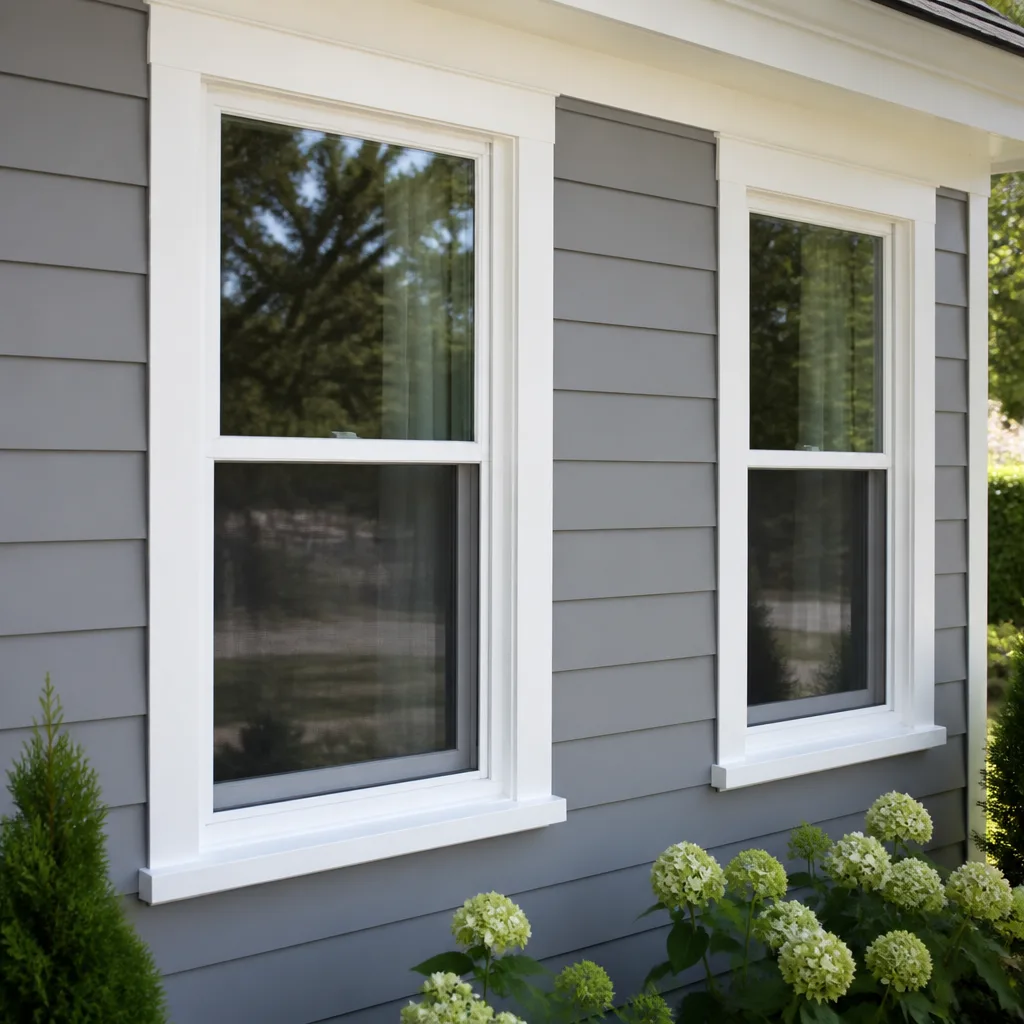
Double hung
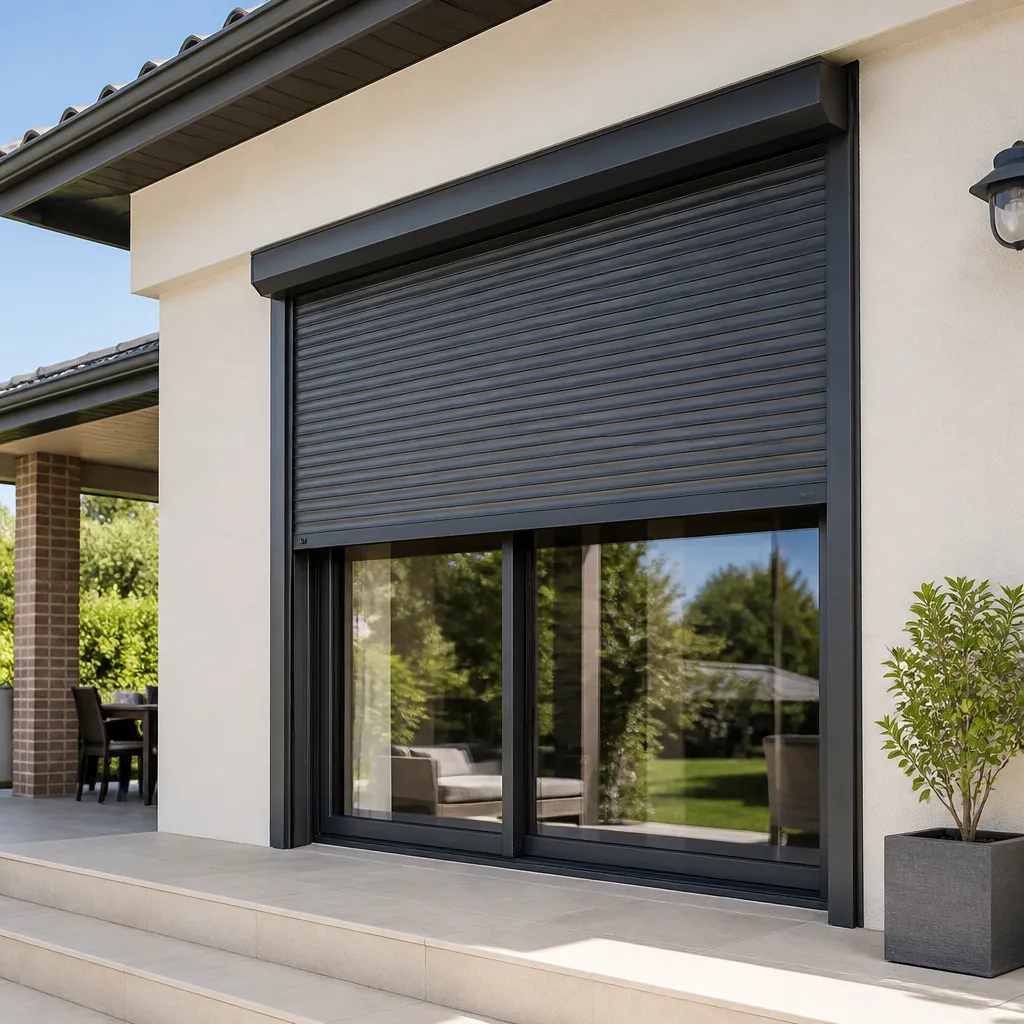
Casement
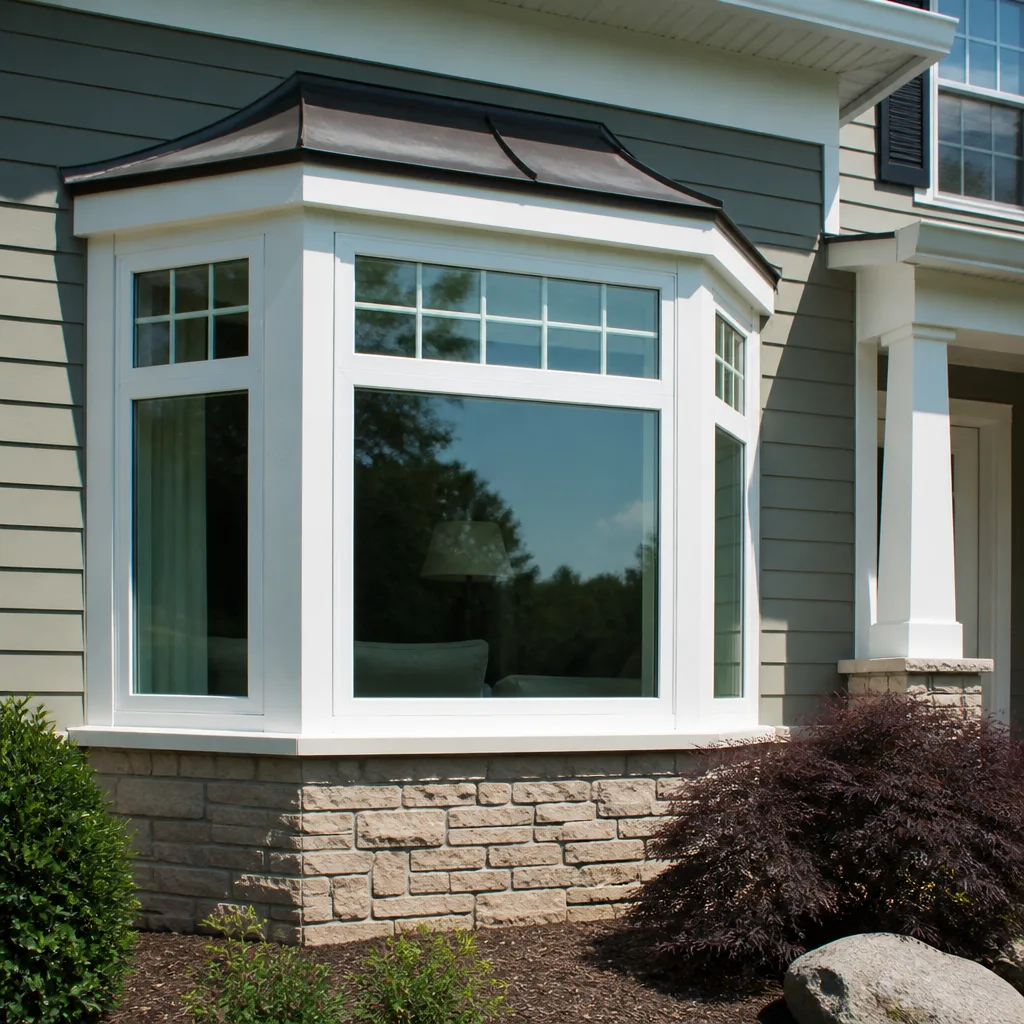
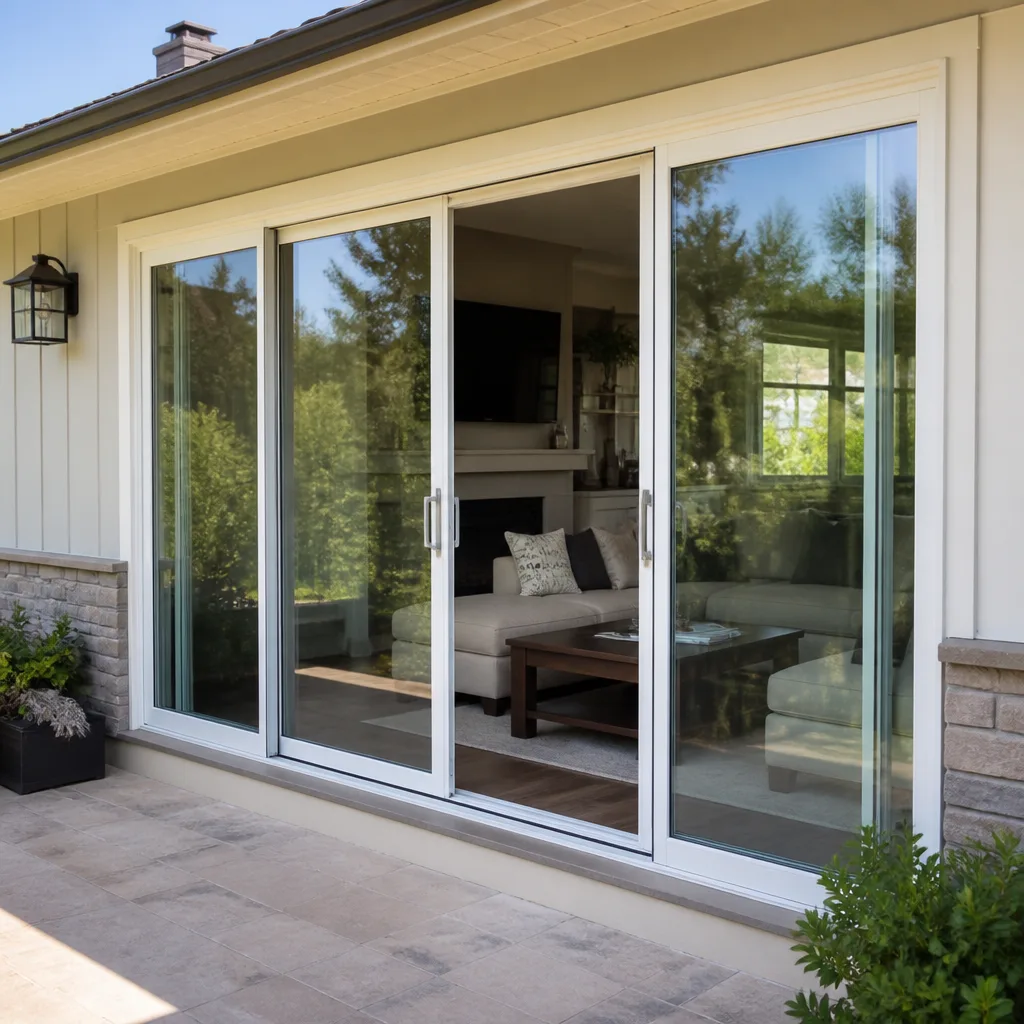
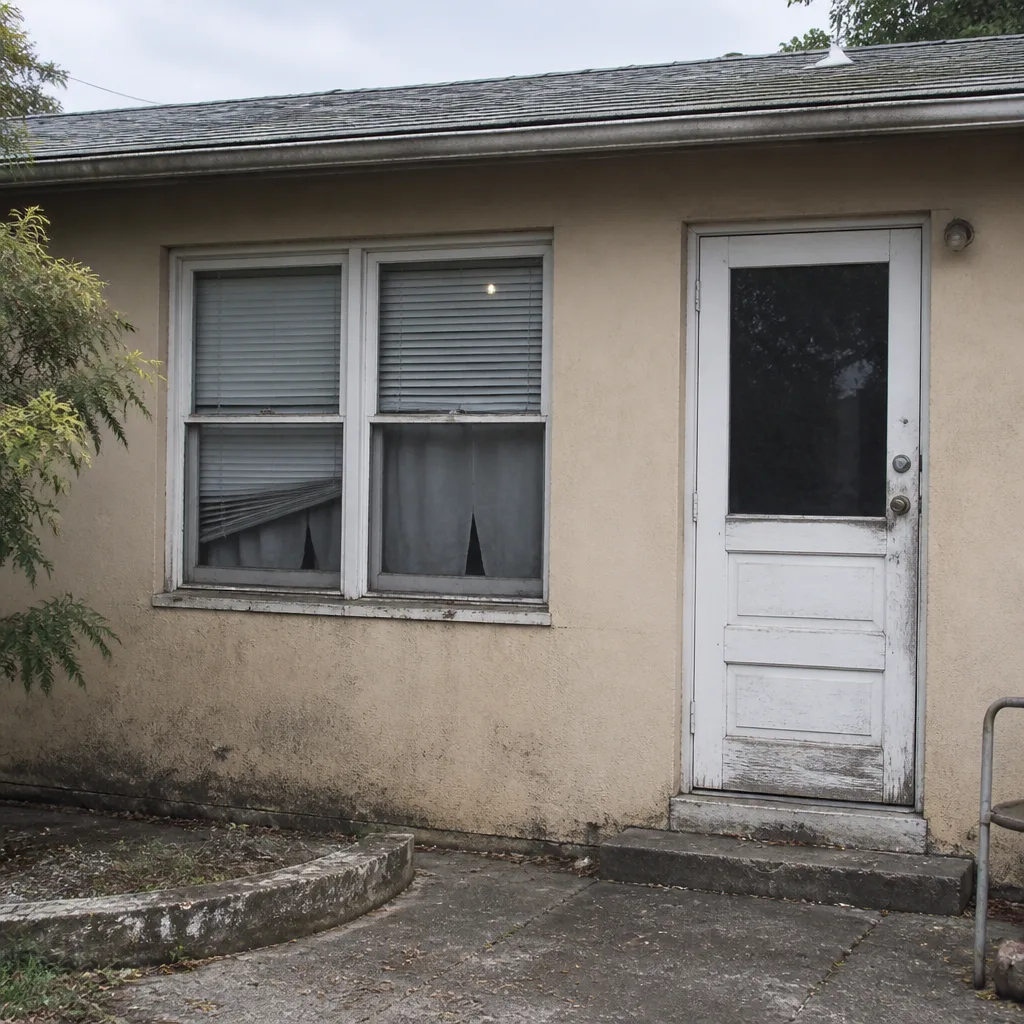 Before
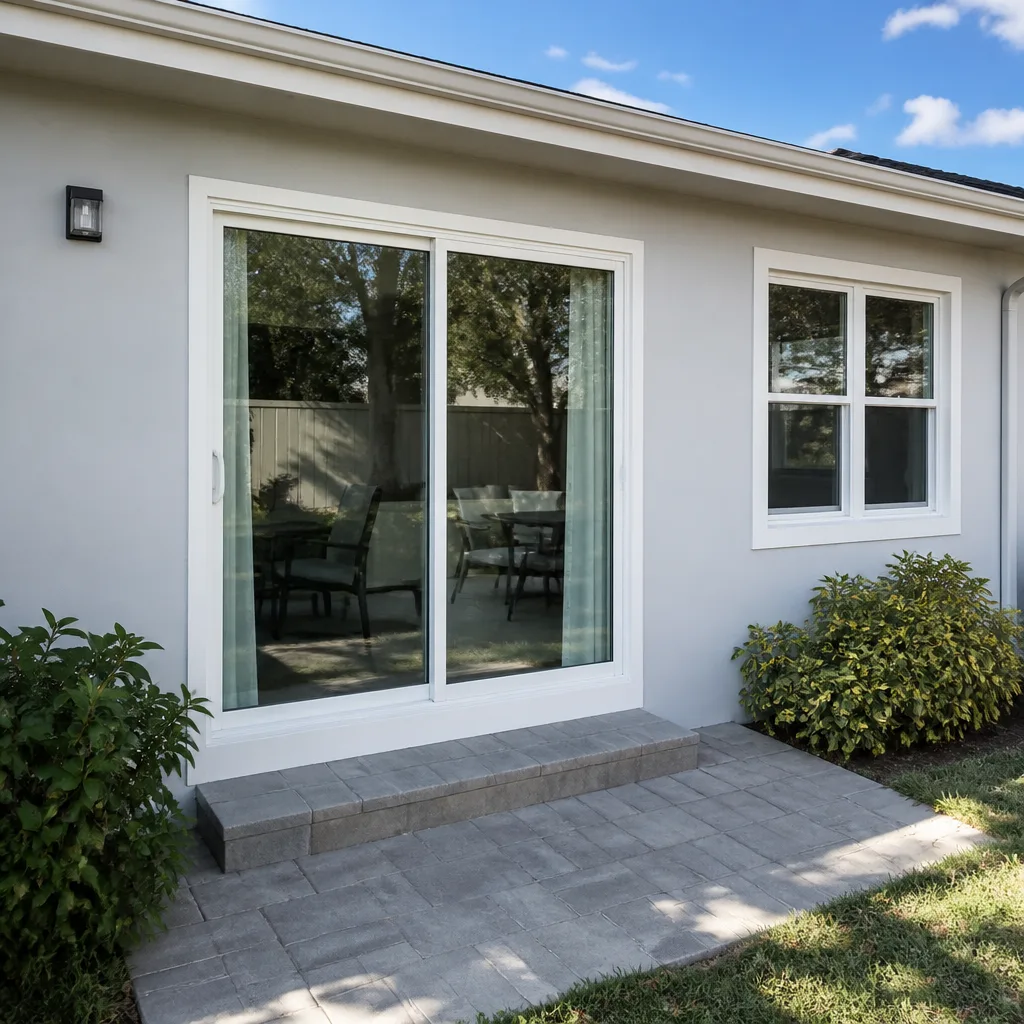 After
After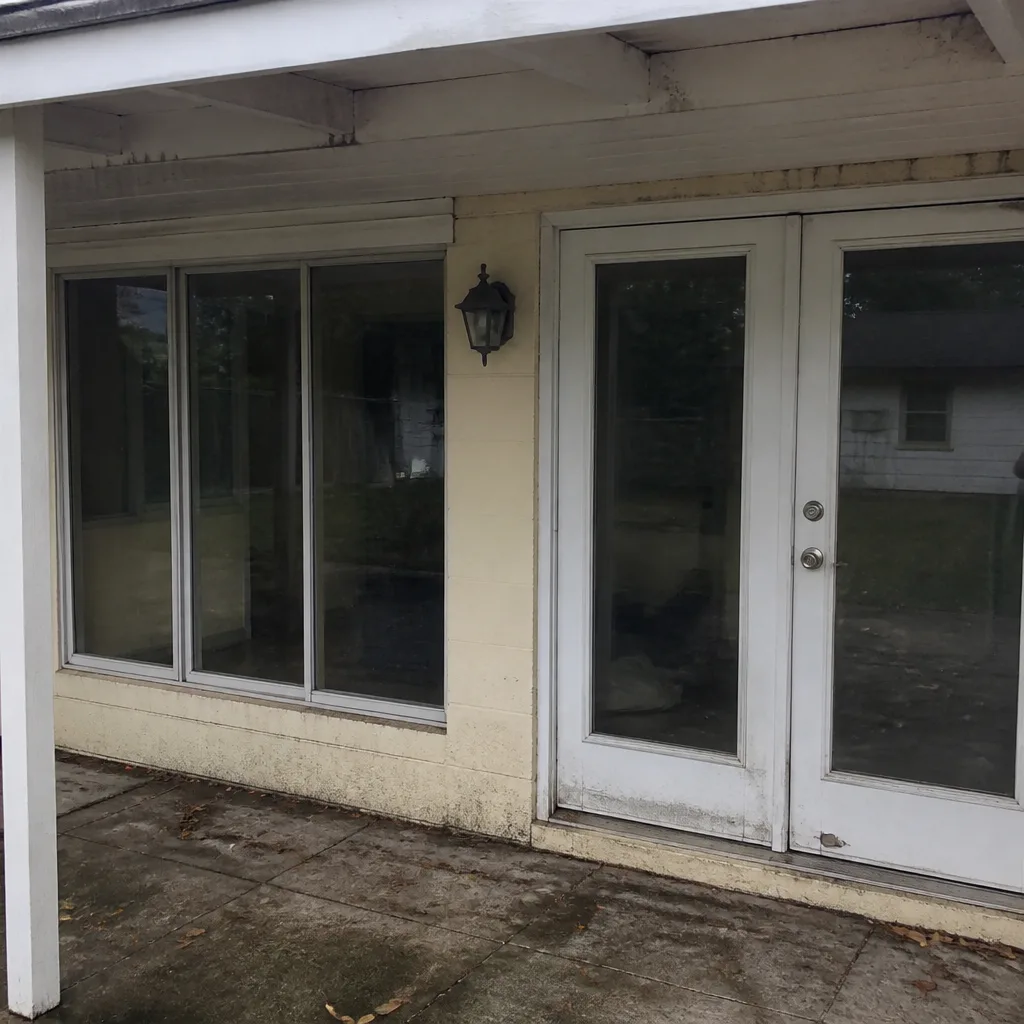 Before
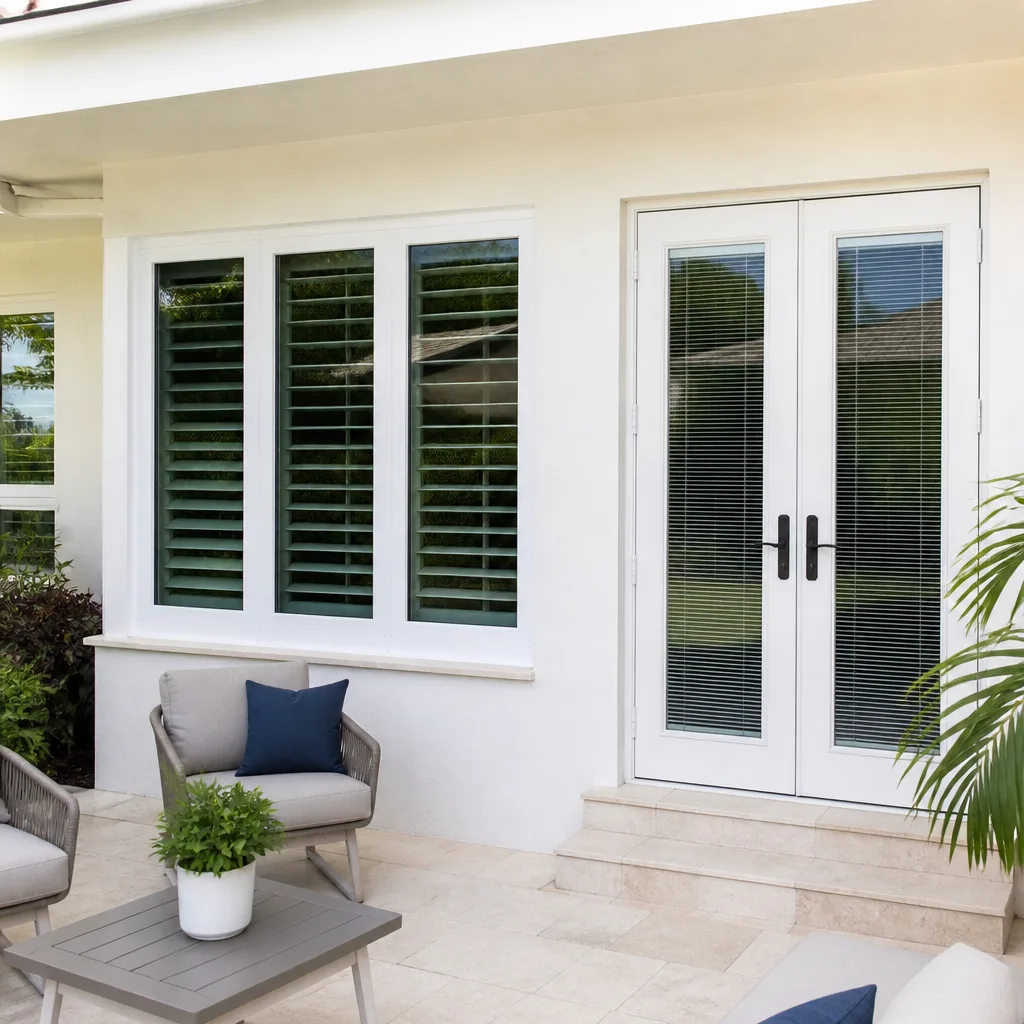 After
After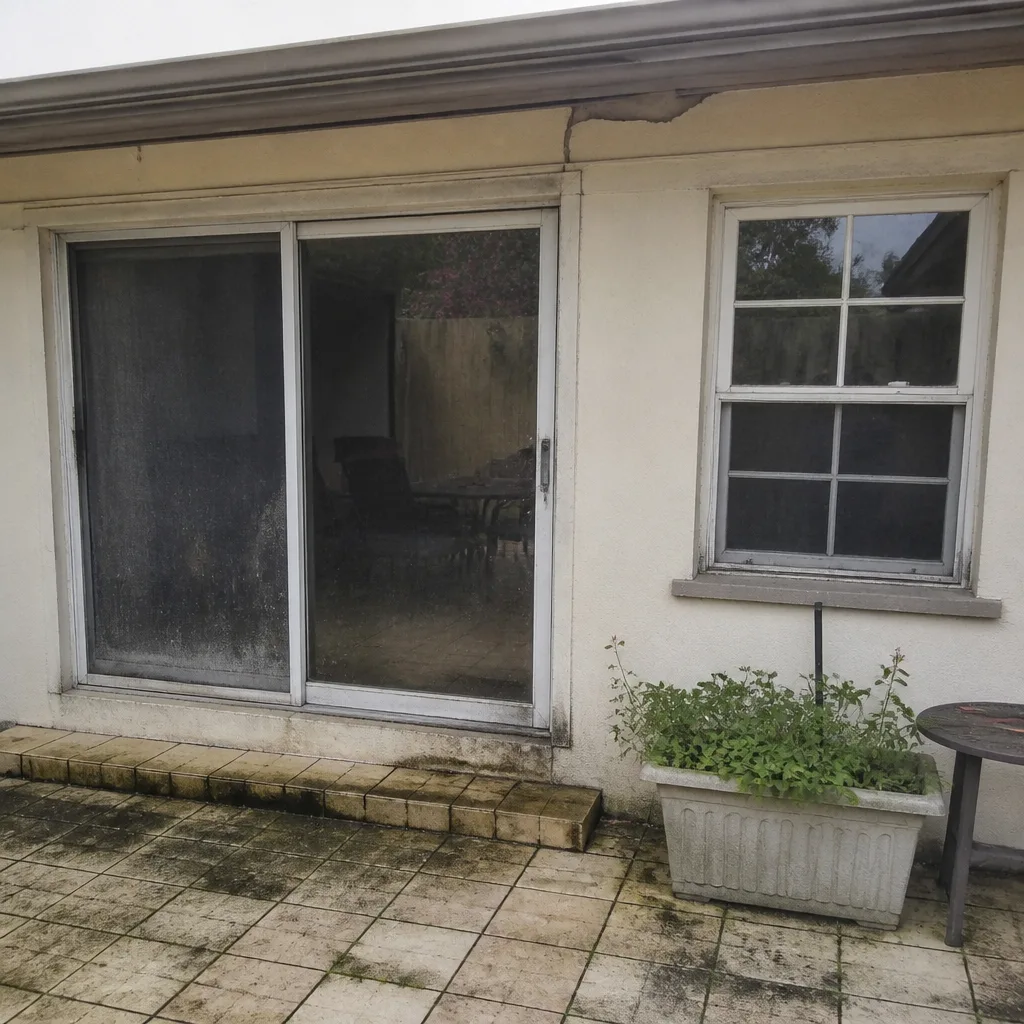 Before
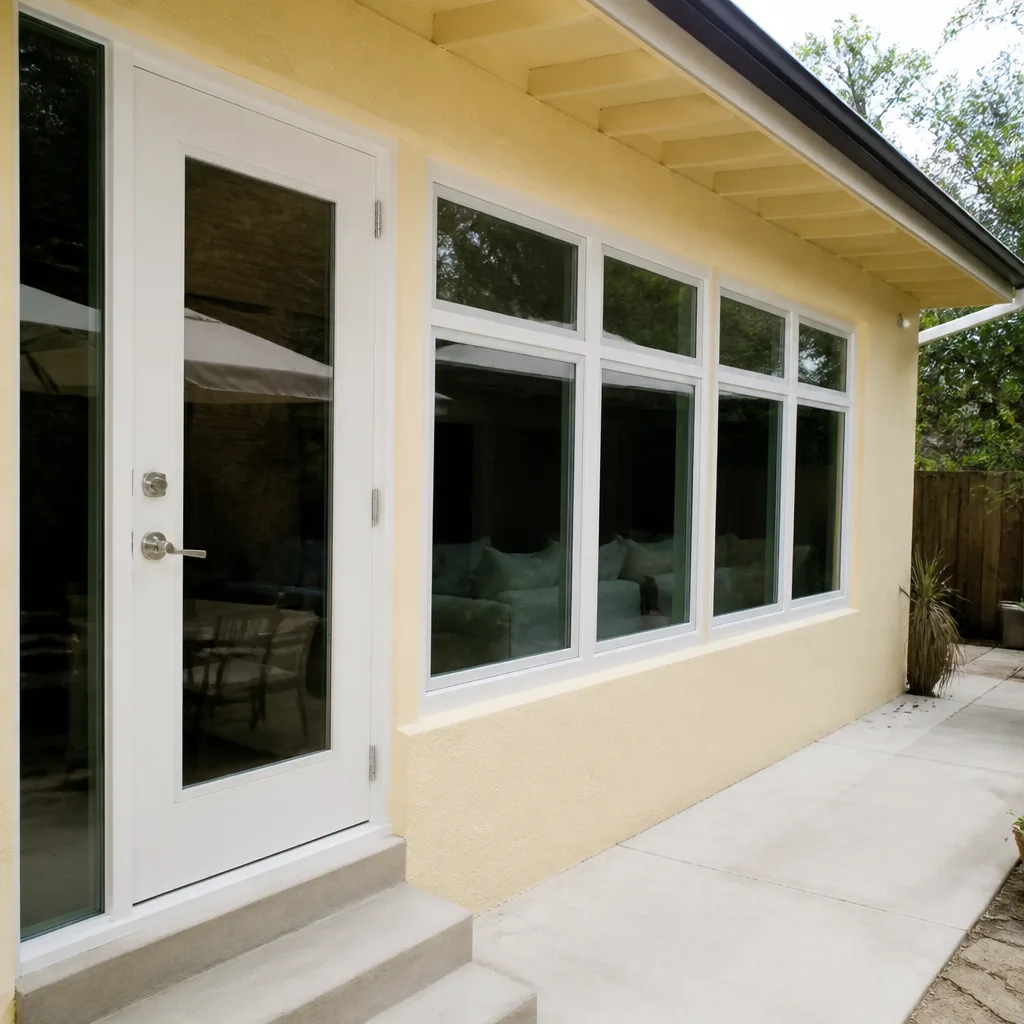 After
AfterPGT Impact Garage Doors: The Westchester Owner’s Guide
If your PGT impact-rated garage door is sagging, binding, or making a noise that sounds expensive, you’re probably looking at a failed roller, hinge, cable, or spring assembly rather than a whole door. In Westchester, we stock the common PGT-compatible hardware on our trucks and can usually source exact-model replacement parts same week, with most roll and spring replacements done in a single visit. Owners typically discover the problem on a quiet Saturday morning when the door opens two inches, groans, and stops, or after a summer storm when they notice the door flexing where it never flexed before.
Here’s the part most websites won’t tell you: PGT impact doors are built to a wind-load spec, not just a weight spec. That means the springs, cables, and tracks are matched to the door’s size and its impact rating. Swap in a generic spring from a supply house and the door may balance fine on a calm day, but the first time a tropical storm pushes against it, you’ll find out why the engineering mattered. We see this exact failure pattern in Westchester homes every hurricane season.
Which PGT Models This Applies To
This guidance covers the PGT garage door lines we service and stock parts for in the Westchester area: the 5100, 5100W, 5105, and WinGuard series. If you’re not sure which line you have, look for the silver manufacturer label on the interior panel near the top section or the vertical track. It lists the series, the size (width by height in feet, like 16×7), and the wind-load designation. You’ll want to snap a photo of that label before calling anyone, because it shortcuts half the troubleshooting.
The critical compatibility fact for PGT doors: the springs are rated by door weight and wind-load zone. A 16×7 PGT impact door rated for the Miami-Dade wind zone uses different spring wire diameter and cable length than the same door sold 40 miles north. When we order replacement parts, we match against PGT’s spec sheets for the exact model, not a universal chart. For hardware like hinges and rollers, we carry OEM PGT and heavy-duty aftermarket equivalents that meet the same spec. For springs and cables, we use OEM or exact-spec aftermarket only; there’s no room for “close enough” on a 200-pound door under tension. We’re an independent installer and repair company, not affiliated with PGT, which means we tell you honestly when a quality aftermarket part does the job and when it doesn’t.
Signs Your PGT Impact Garage Doors Is Failing
- Door opens unevenly or jerks side to side. This almost always points to a failing cable or a spring losing tension on one side. Because PGT impact doors are heavier than standard doors, the asymmetry gets worse faster, and the extra load accelerates wear on the rollers.
- You hear a sharp snap from inside the garage, then the door won’t move. That’s a spring letting go. On a PGT door, it’s especially dangerous because the high-cycle springs are under more load than a standard door’s, so the broken end can whip with real force. Don’t investigate up close; call us from inside the house.
- Visible sag at the top panel or a gap at the bottom seal. This is usually worn rollers or a stretched cable letting the door settle off-square. The longer it runs, the more the impact-rated frame twists, and a twisted frame is the beginning of a door that won’t seal against wind-driven rain.
- Grinding or squealing that worsens by the week. Rollers in PGT impact doors carry more weight than a standard door, and the nylon bearings wear out faster in Westchester’s heat and humidity. When the nylon is gone, the steel roller shaft chews through the track.
- The door drifts down or doesn’t stay fully open. This is the classic symptom of tired springs. On an impact door, springs are rated for fewer cycles because they’re doing more work per cycle. If your door won’t hold position, the springs are telling you they’re done.
Replacement Cost & What’s Included
Replacement cost for PGT impact garage door parts in Westchester runs roughly $140 to $320 for rollers and hinges (parts plus labor), $180 to $400 for a cable replacement, and $280 to $550 for a spring pair replacement on a typical PGT impact door. Full door replacement, when the frame itself has twisted or the panels are compromised, runs from $2,800 to $5,500 depending on size, series, and glass options. The spread comes down to exact model, wind-load zone, and whether we’re matching a single part or correcting wear across the whole system.
Every repair quote includes the parts, the labor, and disposal of whatever came out. We don’t add trip fees for Westchester calls, and we don’t write change orders after the fact. The price Ed writes on the estimate is the price on the invoice. Our workmanship carries the Done Right Promise: if it’s not done right, we come back and make it right. No fine print, no pro-rated warranty games.
DIY or Call Us?
Here’s the honest split. Door panels, hinges, and rollers: you can visually inspect them, check for obvious wear, and take photos. Springs and cables: do not touch them. These are high-tension components that can cause severe injury or death if they release under load, and on PGT impact doors the loads are higher than you think. We’ve been called to Westchester homes where a well-meaning homeowner tried a spring adjustment with a YouTube video for backup and ended up with a bowed track and a door stuck half-open. Even experienced general contractors usually don’t carry the right tools for impact-door spring work.
What we’d rather see: snap a photo of the label, a photo of the problem area if you can do it safely, and call (850) 721-1218. A live person answers 24/7. We’ll ask a few questions, narrow down what’s actually failing, and give you an honest read on whether it’s a service call today or something that can wait until next week. Ed Winslow’s name is on the truck, and that means we’d rather tell you to save your money than sell you a part you don’t need.
FAQs
A properly maintained PGT impact garage door in Westchester lasts 15 to 20 years, but the hardware doesn’t last that long; springs typically need replacement every 7 to 10 years, rollers every 5 to 8, and cables whenever the springs go. Salt air and summer humidity compress those timelines, so we tell Westchester homeowners to plan for spring replacement around year 8 even if nothing has broken yet. Call (850) 721-1218 if you’re not sure where your door is in that lifecycle, and we’ll give it to you straight.
Rollers, hinges, cables, and springs are replacement items, not repair items; once they show visible wear or fail, rebuilding them isn’t safe or cost-effective. There’s a narrow exception for track alignment and panel dents that haven’t compromised the wind-load rating, which is a judgement call we make on site after inspection. Call (850) 721-1218 for a free second opinion if another company told you a replacement is required.
A spring pair replacement on a PGT impact door in Westchester takes about 60 to 90 minutes for a standard double-wide door, and cable replacement typically runs 45 to 75 minutes once the exact parts are matched to your model. We carry the common PGT springs and cables on our trucks, so in most cases the fix happens on the first visit. If your exact spec isn’t on the truck, we order it and come back, usually within two business days.
We stock PGT-compatible rollers, hinges, springs, and cables on our trucks for the most common Westchester PGT models, and we order exact-spec OEM or equivalent parts for less common series directly from our supply chain. You’ll never have to order parts yourself or gamble on an online listing that may or may not match your door’s wind-load rating. Call (850) 721-1218 and we’ll handle the parts matching, the install, and the warranty.
Written by Ed Winslow, Owner, Winslow Windows & Doors at Winslow Windows & Doors, serving Westchester and nearby areas.
Six Reasons Homeowners Choose Winslow Windows & Doors
Impact systems engineered to design pressures up to +/-100, matched to your wind zone - your openings hold when the storm arrives.
Low-E insulated impact glass from our manufacturer lines commonly cuts monthly cooling bills 20-30%.
Laminated impact glass shuts out up to 40% of outside noise - traffic, neighbors, weather.
Monitoring services run $30-90 a month. Laminated impact glass resists forced entry around the clock, with no subscription.
Florida homeowners average around 25% savings on the windstorm portion of their policy after protecting every opening - some homes qualify for more.
A full impact package upgrades curb appeal, buyer confidence and appraised value in one project.