
Last updated August 27, 2026
Free in-home measure and quote - PGT, CGI and CWS impact lines compared on your actual openings, style by style
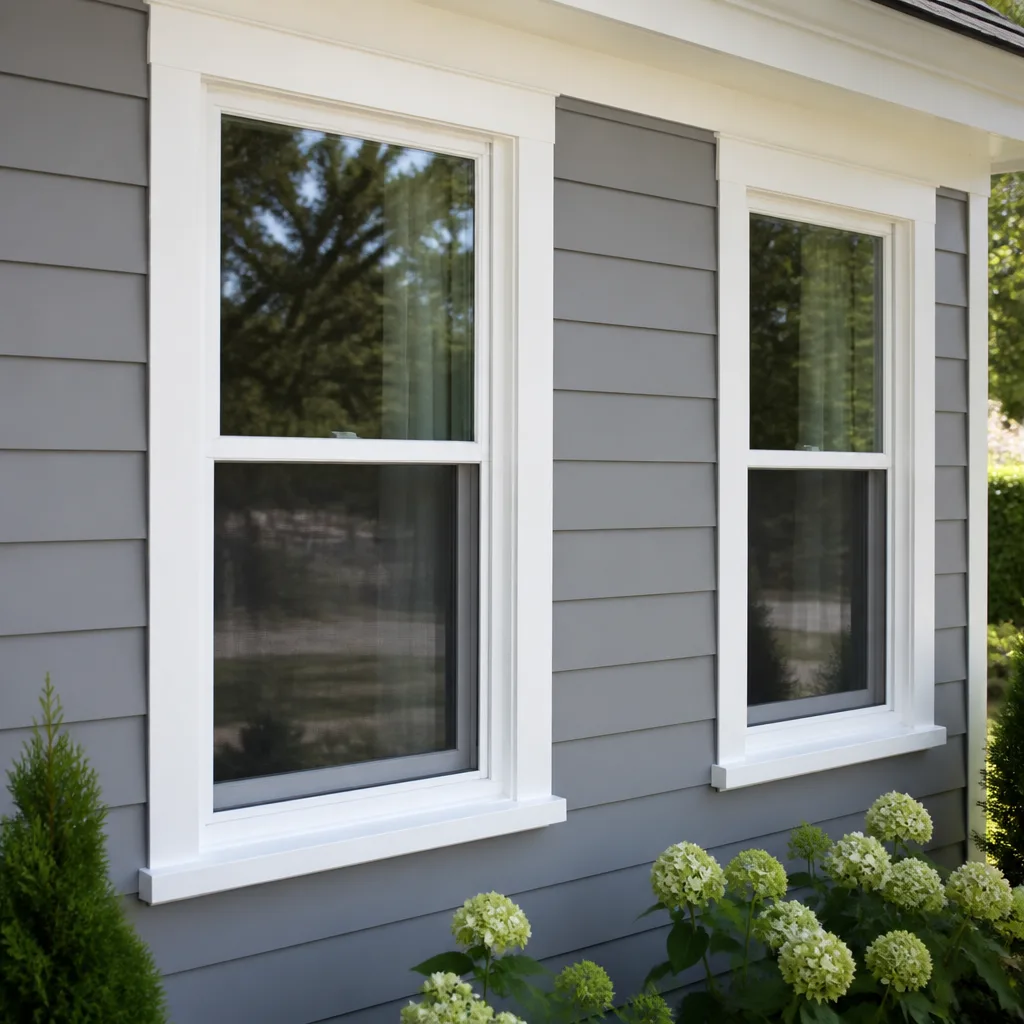
Double hung
Casement



 Before
 After
After Before
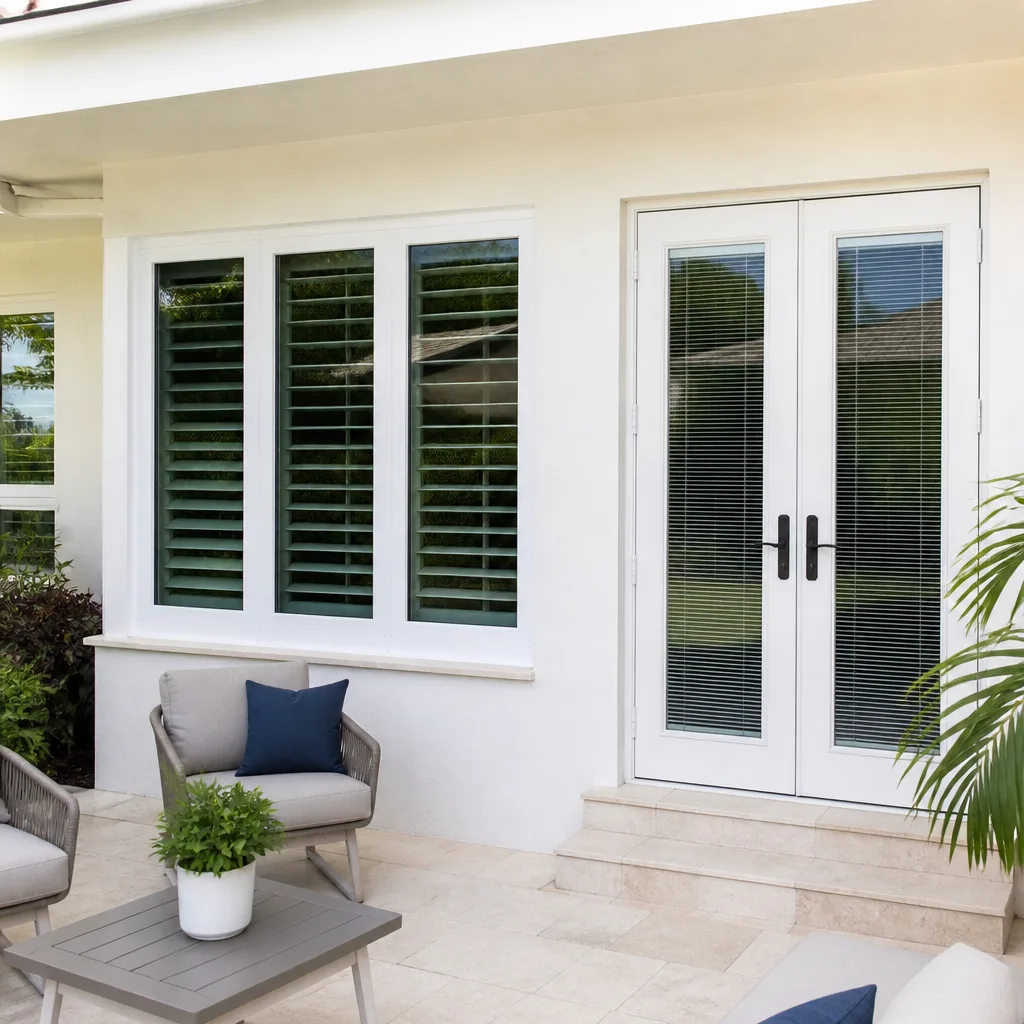 After
After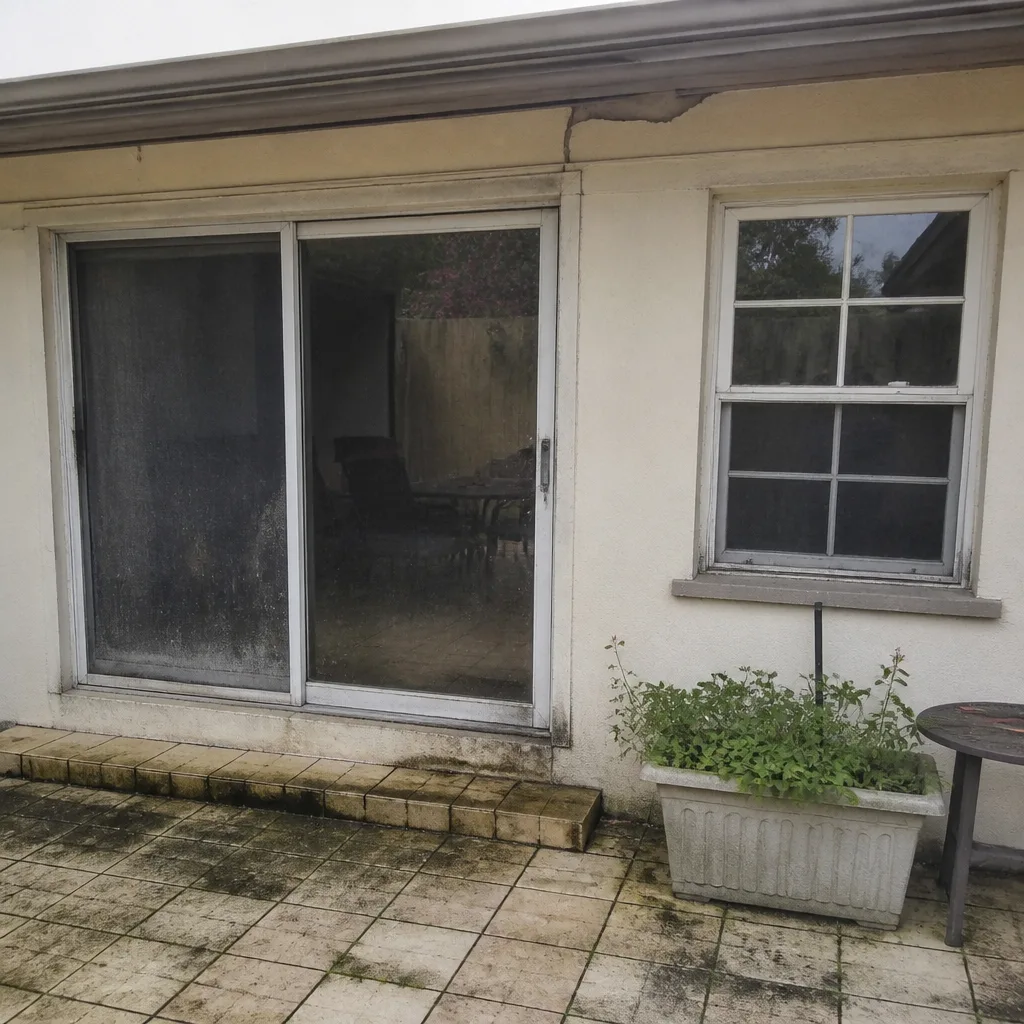 Before
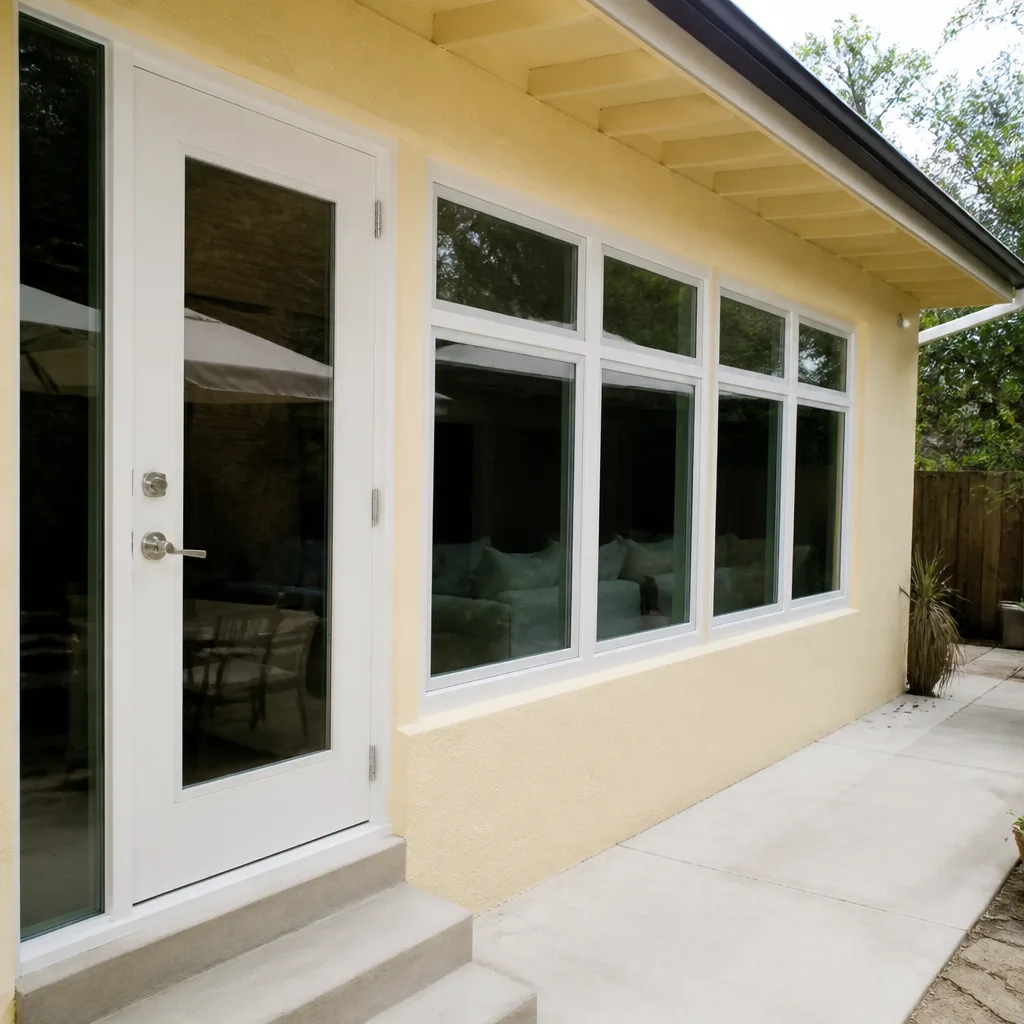 After
AfterImpact Windows Maintenance Checklist for Westchester Homeowners
Here’s a statistic most impact window manufacturers won’t put on the brochure: the most common reason laminated glass seals fail prematurely in coastal South Florida isn’t a hurricane. It’s soap residue. Specifically, alkaline detergents left behind by pressure washing that sit on the glazing bead and slowly eat through the compound over 18 to 24 months. We’ve replaced impact windows in Westchester that were only five years old, not because the glass failed, but because a well-intentioned cleaning routine destroyed the seal. This guide gives you a twice-a-year checklist that takes about 20 minutes, protects your warranty, and keeps your impact windows doing what you paid them to do. If you live anywhere from Bird Road to Coral Way, from the Palmetto Expressway to Tropical Park, this is written for your home specifically.
Quick Answer
An impact window maintenance routine in Westchester FL should be done twice a year, ideally April and October, and takes about 20 minutes per window system. The routine includes cleaning glass with pH-neutral or mild soap only, inspecting and lubricating multipoint locking hardware, clearing weep holes at the bottom track, checking glazing beads for micro-cracking, and photographing frames and hardware for warranty documentation. Skip this routine and you’ll risk seized locks during a storm, water intrusion from clogged weep holes, and voided hardware warranties that require proof of maintenance. For related advice, see our guide to Seasonal Windows & Doors Care for Westchester: Year-Round Homeowner’s Guide.
Table of Contents
- Safe vs. Destructive Cleaning Agents for Impact Glass and Low-E Coatings
- Testing and Re-Lubricating Multipoint Locking Hardware Before Hurricane Season
- Weep Hole Inspection and Clearing: Westchester’s Rainy Season Reality
- Reading Glazing Beads for Micro-Cracking: Catching Seal Failure Early
- The Documentation Habit That Speeds Up Warranty Claims
- The Twice-a-Year Schedule: What to Do in April vs. October
- Common Mistakes to Avoid
- When to Call a Professional
- Frequently Asked Questions
- The Bottom Line
Safe vs. Destructive Cleaning Agents for Impact Glass and Low-E Coatings
Impact windows in Westchester face a specific enemy: the combination of salt air, intense UV exposure, and the fine limestone dust that blows off the nearby rock pits during dry months. This mix settles on the glass and frame, and eventually you’ll want to clean it off. What you use matters more than how often you clean.
Low-E coatings on impact glass are microscopically thin metallic layers applied to the inside face of the glass. They reflect heat while letting light pass. They’re also vulnerable to chemical attack. Ammonia-based glass cleaners, common in products like Windex, can degrade low-E coatings over time, causing a hazy, iridescent film that cannot be reversed. Once the coating is damaged, the only fix is glass replacement.
Here’s what we tell Westchester homeowners to use and avoid:
- Safe: pH-neutral glass cleaner, diluted mild dish soap (a few drops of Dawn in a gallon of water), or a 50/50 white vinegar and water solution.
- Destructive: Ammonia-based cleaners, bleach, alkaline pressure-washing detergents, abrasive powders, and any product containing hydrofluoric acid (found in some hard-water stain removers).
- Safe: Soft microfiber cloths, chamois, or a soft sponge.
- Destructive: Razor blades on coated glass, steel wool, stiff brushes, and any abrasive scrub pad. These scratch the glass and strip the coating.
- Safe: A garden hose on low pressure for rinsing.
- Destructive: Pressure washers aimed directly at the glazing bead or glass edges. The bead is the rubber or vinyl strip holding the glass in the frame, and high-pressure spray forces water behind it, starting the exact seal failure you’re trying to avoid.
One more Westchester-specific note: if you have a pool cage, you already know how chlorine affects screens. The same airborne chlorine that eats pool screens can drift toward impact windows and leave a hazy film. Rinse those windows with a hose during dry spells, just to keep the buildup from baking on in the summer sun.
For more on how impact-rated glass is built to withstand these conditions, see our guide on Impact Windows in Westchester.
Testing and Re-Lubricating Multipoint Locking Hardware Before Hurricane Season
Here’s the step most Westchester homeowners skip, and it’s the one that causes the most frustration when a storm is approaching. Multipoint locking hardware runs the full height of a door or a tall impact window, engaging at three or more points along the frame. It’s steel, it’s precise, and it seizes when grit and salt corrosion build up in the tracks over a dry winter. We’ve seen locks that worked fine in March refuse to turn by August because the homeowner never tested them in between.
Testing takes five minutes. Here’s the routine:
- Open and close every operable sash and door. Full cycle each one. Listen for grinding, scraping, or resistance that wasn’t there before.
- Engage every lock point. Turn the handle through its full range, not just enough to latch. Multipoint systems should engage smoothly with even resistance.
- Feel for dead spots. If a lock point doesn’t fully engage, the strike plate may have shifted, or the mechanism may be gummed up with corrosion.
- Lubricate with a dry silicone spray. Apply to the lock points, the track, and the hinges. Wipe away any excess. Never use WD-40 or oil-based lubricants; they attract dust and grit in South Florida’s humidity and make the problem worse within weeks.
- Test again. After lubricating, cycle the lock five or six times to work the silicone into the mechanism.
If a multipoint lock is already seized, do not force it. Forcing a seized lock bends the internal rods and strips the gearbox, turning a $40 service call into a $300 hardware replacement. Call a professional. Winslow Windows & Doors has been repairing and replacing impact window hardware in Westchester since 2011, and our techs can tell you within minutes whether it’s a lubrication issue or a failed mechanism.
Weep Hole Inspection and Clearing: Westchester’s Rainy Season Reality
Weep holes are the small slots or holes at the bottom exterior of your window or door frame. Their job is simple: they let water that collects inside the frame channel drain outward instead of inward. When they’re working, you never think about them. When they’re clogged, the water has nowhere to go except into your wall cavity or onto your interior sill.
Westchester’s rainy season runs from May through October, and it delivers afternoon downpours nearly every day. The volume of water moving across a window frame during one of those storms surprises most homeowners. A typical Westchester afternoon storm can dump two to three inches of rain in under an hour. If your weep holes are blocked by dirt, dead insects, or the fine sandy soil that blows around after dry spells, that water pools in the frame channel until it finds an interior path.
Here’s how to inspect and clear weep holes in about ten minutes:
- Locate every weep hole. Most impact windows and sliding glass doors have two to four weep holes per frame. They’re on the exterior bottom edge. If you can’t find them, look for small rectangular or round openings near the corners of the sill track.
- Check for standing water. If you see water sitting in the bottom track days after the last rain, your weep holes are clogged.
- Clear with compressed air or a soft wire. A can of compressed air works well to blow out loose debris. For stubborn blockages, a length of soft copper wire inserted gently into the hole usually dislodges whatever is stuck. Do not use a drill bit or anything sharp; you’ll scratch the frame and create a new corrosion point.
- Flush with water. Pour a cup of water into the interior track while watching the exterior weep holes. If water drains out the holes, the system is working. If it pools or drains slowly, keep clearing.
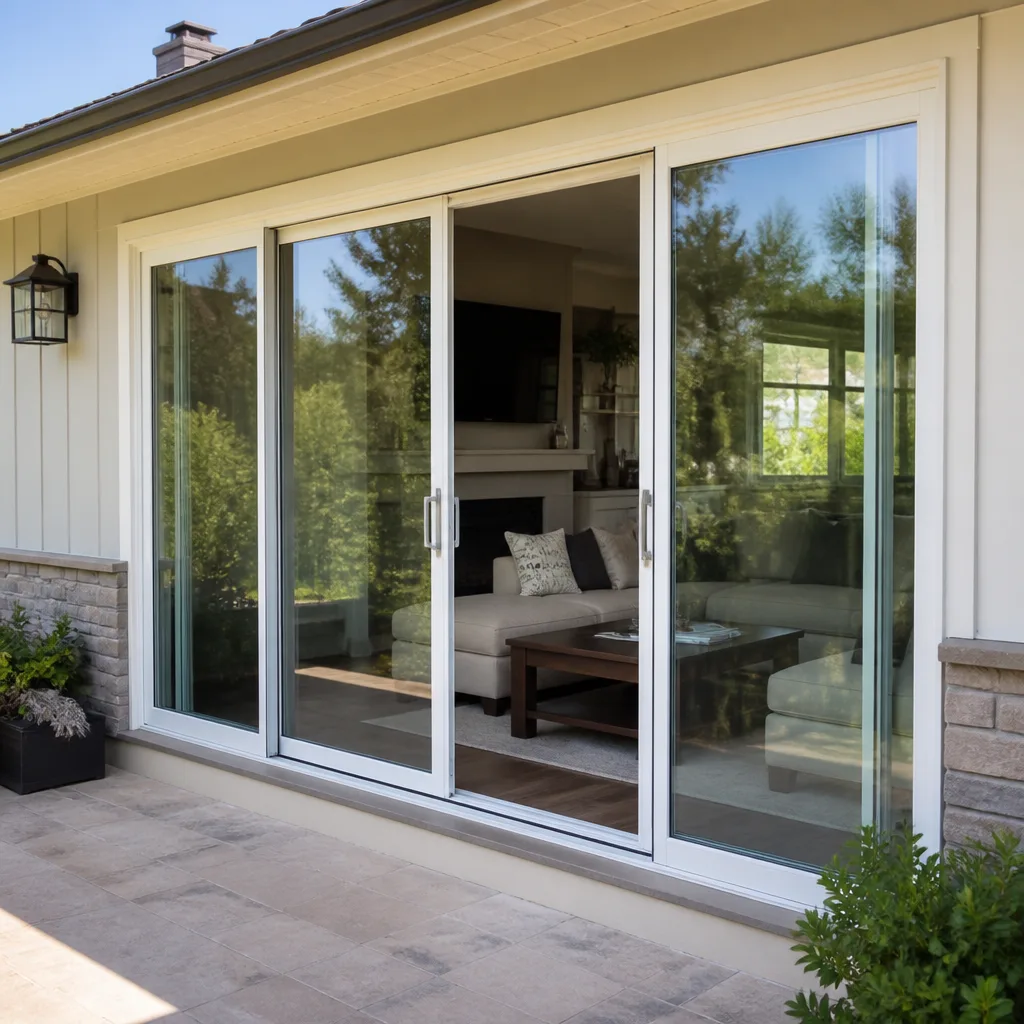
- Do your sliding glass doors too. These have the longest tracks and collect the most debris. The door system’s weep holes are critical; a clogged patio door track in Westchester will put water on your floor during the first real tropical system of the year.
We’ve pulled everything from dried anole lizards to wasp nests out of Westchester weep holes. The anoles, especially, love the shade of the track. Check them twice a year and you’ll never deal with a water intrusion surprise.
Reading Glazing Beads for Micro-Cracking: Catching Seal Failure Early
The glazing bead is the rubber or vinyl strip that runs around the perimeter of the glass unit, sealing the glass to the frame. It’s your first line of defense against air and water intrusion. In South Florida’s UV index, this material degrades faster than anywhere else in the continental US. The UV here doesn’t just fade paint; it actively breaks down the polymer structure of rubber and vinyl components.
Micro-cracking is exactly what it sounds like: hairline fissures that form in the glazing bead as the material loses its elasticity. They start invisible, progress to visible with magnification, and eventually open into channels that let humid air reach the desiccant inside the insulated glass unit. Once the desiccant saturates, the unit starts fogging from the inside, and at that point the seal has failed permanently.
Here’s what to look for during your twice-a-year inspection:
- Color change. New glazing bead is uniform and supple. Aging bead turns chalky, fades, or develops a whitish residue on the surface. That residue is plasticizer leaching out, and it means the material is losing flexibility.
- Visible cracks at the corners. Corners are stress points. If you see any crack, even a small one, at a corner of the bead, that’s an early warning.
- Loss of compression. Press your finger into the bead. Healthy bead springs back. Aged bead stays indented. If it stays indented, it’s no longer sealing the way it should.
- Shrinkage gaps. Bead that has pulled away from the frame at the mitered corners, leaving a visible gap, has already shrunk beyond its service life.
- Fogging between panes. If you see condensation or haze inside the glass unit itself, the seal has failed. This is not a cleaning issue; it’s a glass replacement.
If you catch micro-cracking early, the fix is straightforward and relatively inexpensive: the glazing bead gets replaced, the glass gets reseated, and the unit’s life is extended by years. If you miss it and the seal fails, you’re replacing the entire insulated glass unit. In Westchester, where we’ve been doing Window Replacement in Westchester for over a decade, we see this progression all the time. The early catch saves thousands.
The Documentation Habit That Speeds Up Warranty Claims
Impact window warranties are contingent documents. Every major manufacturer, including the brands we install most often in Westchester like PGT and CGI, includes language requiring proper maintenance as a condition of warranty coverage. If you file a claim for fogged glass, failed hardware, or a broken seal, the manufacturer will ask for proof that you maintained the windows. No proof, and many claims get denied.
The documentation habit is simple: photograph everything, every time you do maintenance. It takes two minutes and creates a record that’s nearly impossible to argue against.
Here’s how to do it:
- Pick the same day each year. April 15 and October 15 work well for Westchester’s before-storm and after-storm rhythm. Set a phone reminder.
- Photograph each window and door from the interior and exterior. Get close-up shots of the glazing beads on all four sides, the weep holes, the locking hardware, and the rollers or tracks.
- Photograph any anomalies you find. Micro-cracking, fogging, corrosion, water staining, anything that looks off. Photograph it before you clean or fix it.
- Store the photos in a folder labeled with the date. A cloud backup is smart. If a phone dies, so do your records otherwise.
- Keep receipts for any cleaning products or lubricants you buy. This proves you used the right materials, not just that you did something vaguely called “maintenance.”
Winslow Windows & Doors installs products from Winslow Windows & Doors home to a published standard, and we help our Westchester customers navigate warranty claims when they arise. A homeowner with two years of dated photos and a folder of receipts gets a very different response from a manufacturer than one who says “I promise I took care of them.” The documentation is your leverage.
The Twice-a-Year Schedule: What to Do in April vs. October
Westchester’s climate splits the maintenance year neatly in two. April is before-hurricane-season. October is after. Each session covers everything in this guide, but the emphasis shifts.
April: The Pre-Season Prep
- Emphasis: hardware function and drainage. You want locks turning freely, weep holes clear, and gaskets sealing before the first named storm enters the Atlantic. This is also when you test your shutdown sequence: can every impact window and door close, lock, and seal in under two minutes?
- Check for winter damage. Westchester winters are mild, but the dry season’s wind carries dust and sand that grinds against seals. Inspect beads carefully for erosion from wind-blown grit.
- Stock up on lubricant. Buy dry silicone spray now, not in August when every hardware store in Westchester is sold out and the storm is three days out.
October: The Post-Season Assessment
- Emphasis: water intrusion and seal integrity. After five months of daily rainfall and whatever storms rolled through, inspect every frame for water staining, track corrosion, or new fogging.
- Clear weep holes again. The rainy season deposits organic matter everywhere. A weep hole that was clean in April may be full of leaf litter and silt by October.
- Photograph everything for the annual record. This is the session that builds your warranty file. If you only document once a year, do it in October, after the season has done its worst.
- Schedule any needed repairs before the winter lull. If you spotted micro-cracking or a sticky lock in July, get it fixed before the holidays. The crews in Westchester are less slammed in October and November than they are in May and June.
- Pressure washing the windows with an alkaline detergent. We opened with this, and it bears repeating: this is the single biggest self-inflicted wound we see in Westchester. The soap breaks down glazing compound, and the pressure forces water behind the bead. Both together accelerate seal failure dramatically.
- Using oil-based lubricant on hardware. WD-40 and similar products attract the fine grit that blows around Westchester during dry season. Within weeks, your locks have more friction than before you lubed them. Dry silicone only.
- Ignoring a lock that’s getting stiffer. A lock that’s hard to turn in February will seize in August. The corrosion process accelerates once it starts. A $5 can of silicone now beats a $300 hardware replacement later.
- Painting over weep holes. When Westchester homes get exterior paint, contractors sometimes paint over the weep holes without realizing what they are. If you see paint covering your weep holes, clear it immediately. The drainage system doesn’t work when it’s sealed shut.
- Assuming impact windows need zero maintenance. The “set it and forget it” marketing pitch sells windows, but it’s not how the products actually behave in coastal Florida. Impact glass protects against storms; it doesn’t protect itself from UV, salt, grit, and humidity.
- Not testing windows after a storm passes. A storm that didn’t break the glass can still flex the frame enough to shift a strike plate or loosen a bead. Always do a full function check within a day or two of any tropical system that passes near Westchester.
- Filing a warranty claim without documentation. If you didn’t photograph the windows and keep maintenance records, the manufacturer has an easy denial path. The documentation habit is the least work and the highest return of anything in this guide.
Common Mistakes to Avoid
When to Call a Professional
Most of the maintenance in this guide is DIY-friendly. But some situations call for a trained eye. If you find fogging between glass panes, that’s a failed seal and a glass unit replacement. If a multipoint lock is fully seized and won’t move with reasonable force, internal damage has already happened. If you see water damage on interior drywall around a window or door, the leak has been active for a while and there may be hidden framing damage. If your glazing beads show advanced micro-cracking on multiple windows, you’re likely looking at a resealing project across the house. For any of these, don’t guess. Winslow Windows & Doors offers free estimates in Westchester and we’ve been doing Window Installation in Westchester since Ed Winslow founded the company in 2011. Call (850) 721-1218 and we’ll tell you honestly whether it’s a repair or a replacement.
Frequently Asked Questions
Use a pH-neutral cleaner or a few drops of mild dish soap in a gallon of water, applied with a soft microfiber cloth, and rinsed with a low-pressure garden hose. Never use ammonia-based glass cleaners, bleach, abrasive pads, or a pressure washer, as each of these can strip or scratch the low-E coating. For exact product recommendations and a walkthrough, call (850) 721-1218 and we’ll point you to what we use on our own Westchester installs.
Twice a year, in April before hurricane season and again in October after the rainy season ends. The salt air and high humidity in Westchester accelerate corrosion on unprotected hardware, so twice-yearly lubrication with dry silicone spray is the minimum for keeping multipoint locks functioning smoothly.
Fogging between the glass panes, where you can’t wipe it off from either side, means the seal on the insulated glass unit has failed and moisture has entered the space between the panes. This is not a cleaning issue and cannot be fixed by cleaning; the glass unit itself needs replacement. Call us at (850) 721-1218 for a free assessment.
Yes, and they do it regularly during the rainy season. When weep holes are blocked, water that collects in the frame channel has no exterior exit and will find an interior path, usually onto your sill or into the wall cavity. A single Westchester rainstorm can dump enough water on a window to make this happen fast if the drainage path is blocked.
Yes. Most manufacturers, including PGT and CGI, require proof of proper maintenance as a condition of warranty coverage. If you file a claim for a failed seal or hardware with no maintenance records, the claim can be denied. Annual photos, receipts for cleaning products, and a consistent maintenance schedule protect your warranty rights.
Resealing a single impact window, which includes replacing the glazing bead and bedding the glass properly, typically runs between $75 and $200 per window depending on size and access. Replacing a failed insulated glass unit runs $400 to $1,200 or more. The reseal is almost always the cheaper fix, which is why catching micro-cracking early matters. Call (850) 721-1218 for an exact quote on your windows; estimates are always free.
The Bottom Line
Impact windows in Westchester are a five-figure investment, and like any investment, they benefit from a small amount of consistent attention. Twenty minutes twice a year, plus a little documentation, protects the seals, the hardware, the drainage, and your warranty rights. The most expensive maintenance is the maintenance you skipped, because it turns a $75 reseal into a $900 glass replacement, or a $5 lubrication into a $300 lock rebuild. If you maintain impact windows the way the products were engineered to be maintained, they’ll perform through decades of Westchester storms. If you’d rather have someone else do it, or you’ve found something during your inspection that worries you, we’re here. (850) 721-1218 gets you a live person, any hour, and a free estimate from a company that’s been doing this in Westchester since 2011.
Written by Ed Winslow, Owner at Winslow Windows & Doors, serving Westchester since 2011. Browse our more guides & resources.
Six Reasons Homeowners Choose Winslow Windows & Doors
Impact systems engineered to design pressures up to +/-100, matched to your wind zone - your openings hold when the storm arrives.
Low-E insulated impact glass from our manufacturer lines commonly cuts monthly cooling bills 20-30%.
Laminated impact glass shuts out up to 40% of outside noise - traffic, neighbors, weather.
Monitoring services run $30-90 a month. Laminated impact glass resists forced entry around the clock, with no subscription.
Florida homeowners average around 25% savings on the windstorm portion of their policy after protecting every opening - some homes qualify for more.
A full impact package upgrades curb appeal, buyer confidence and appraised value in one project.