
Last updated August 27, 2026
Free in-home measure and quote - PGT, CGI and CWS impact lines compared on your actual openings, style by style
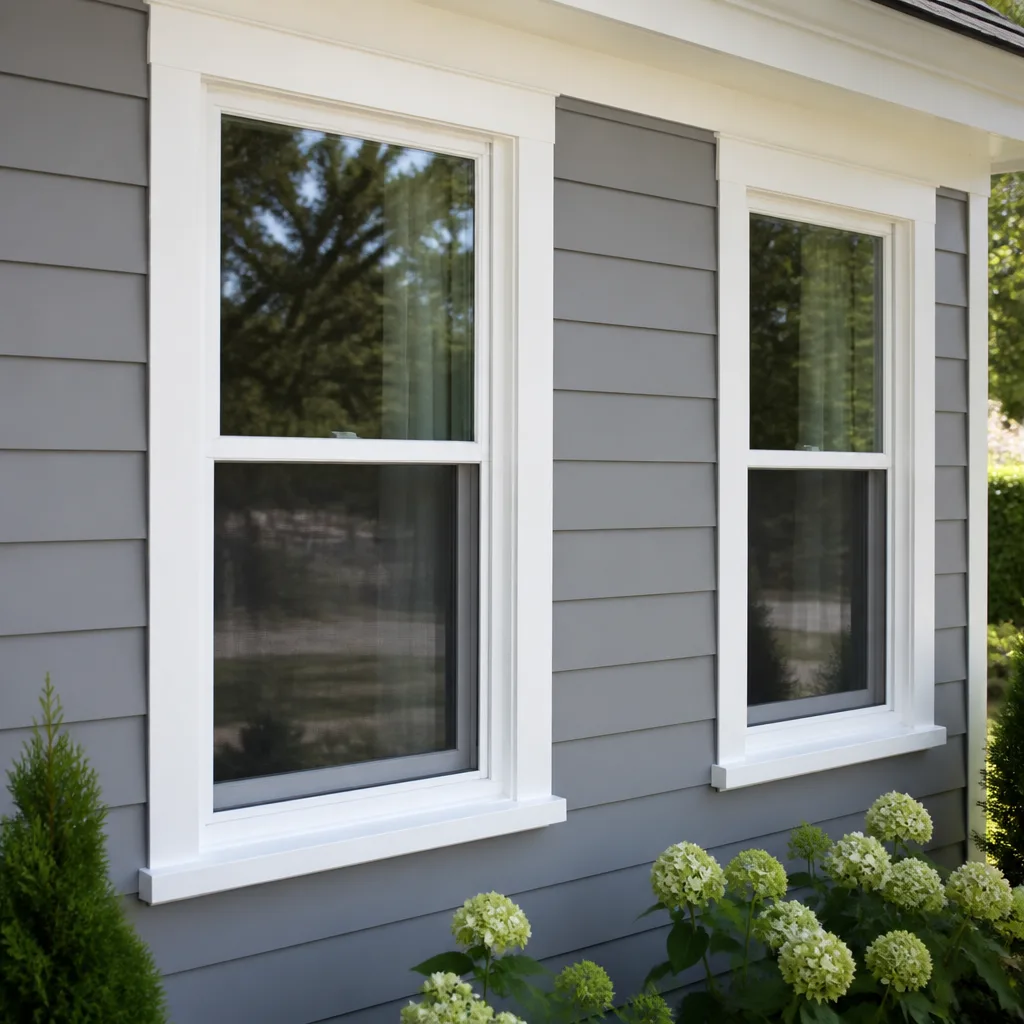
Double hung
Casement
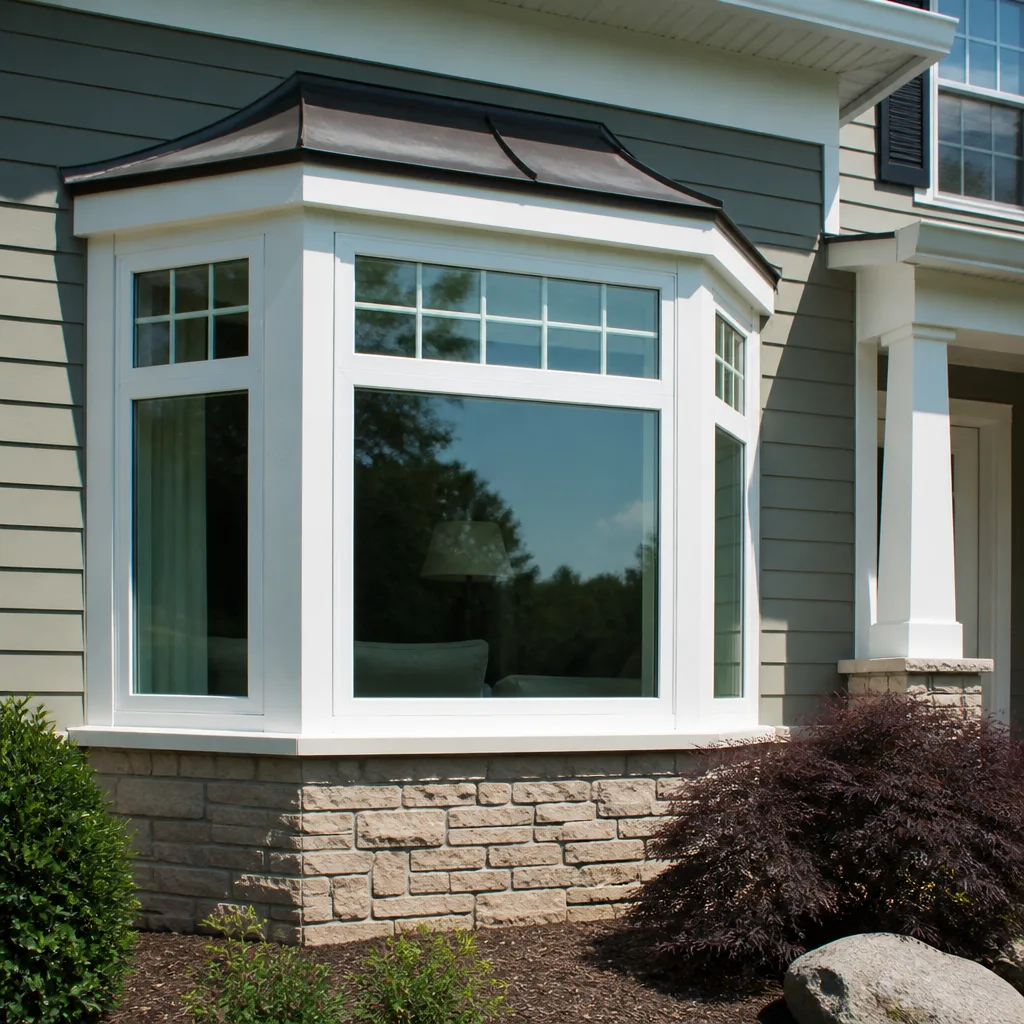
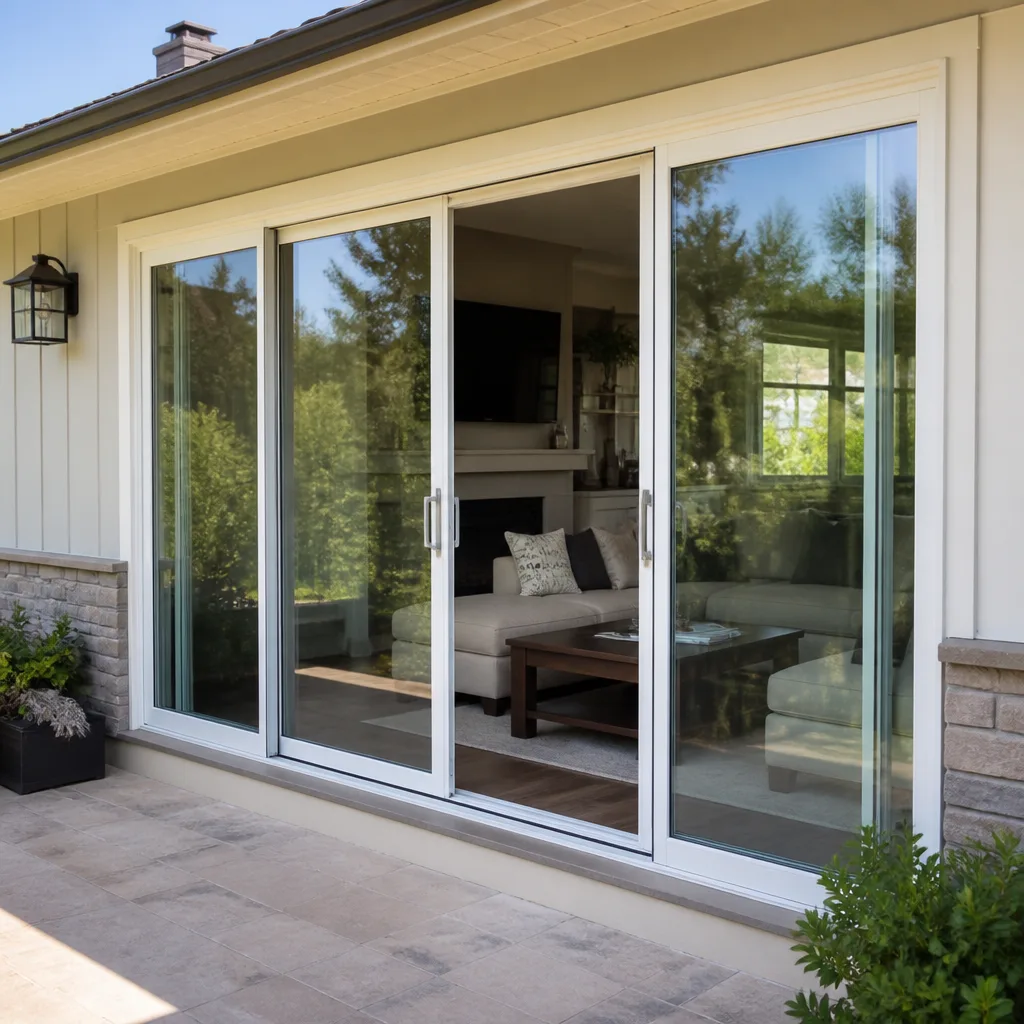

 Before
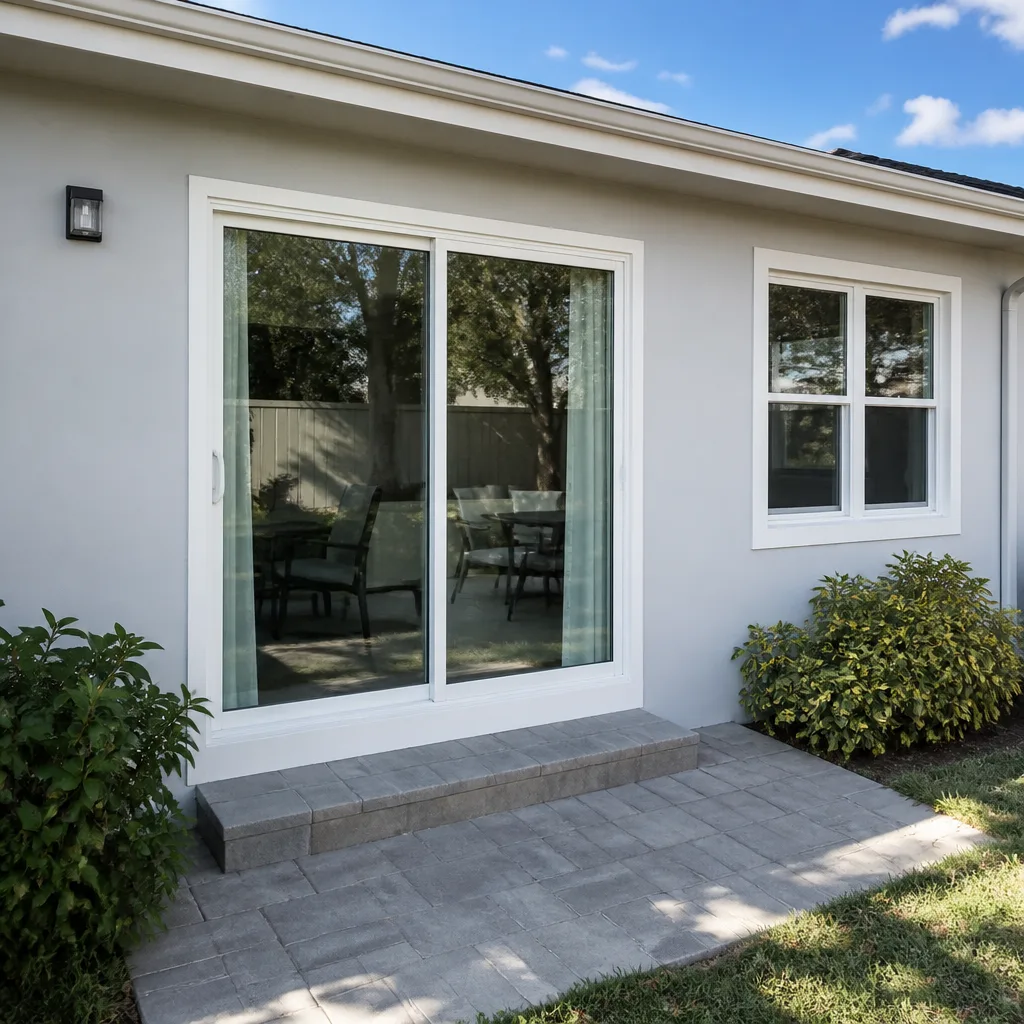 After
After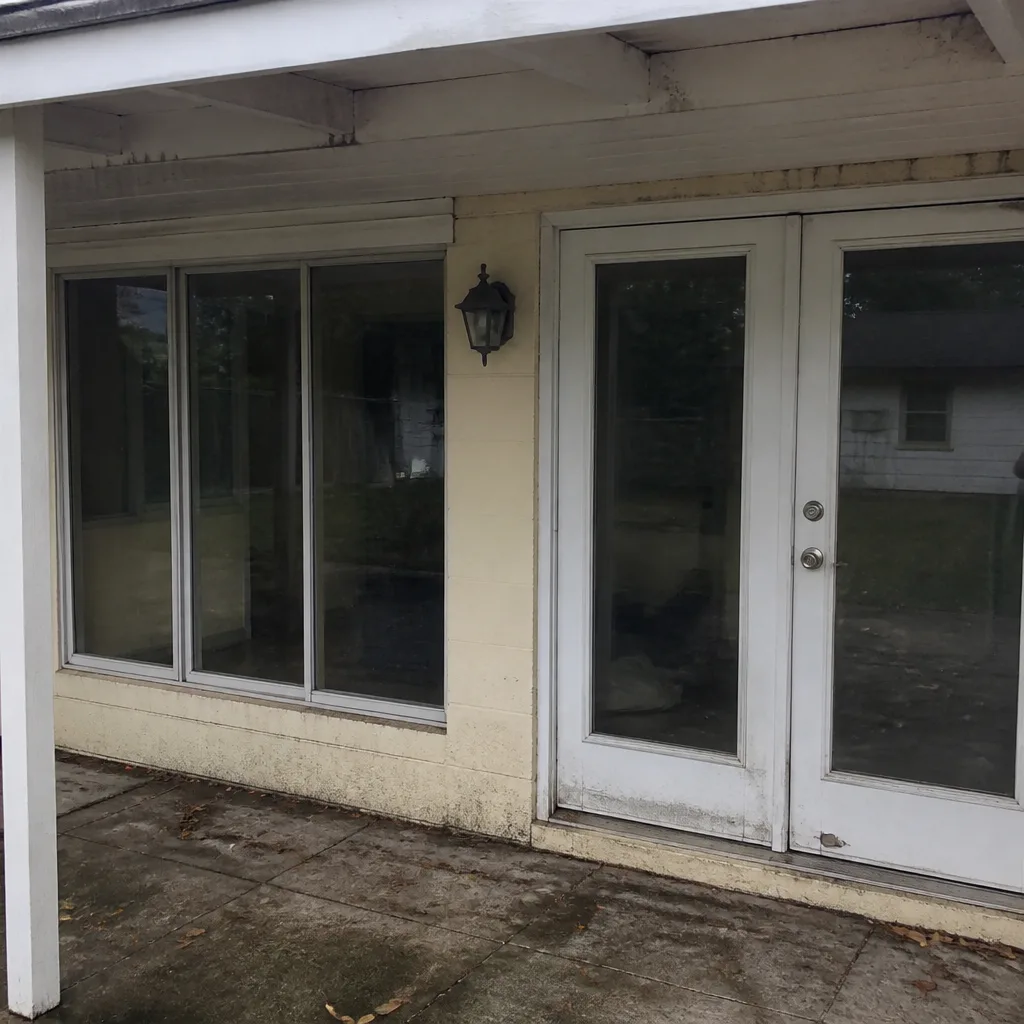 Before
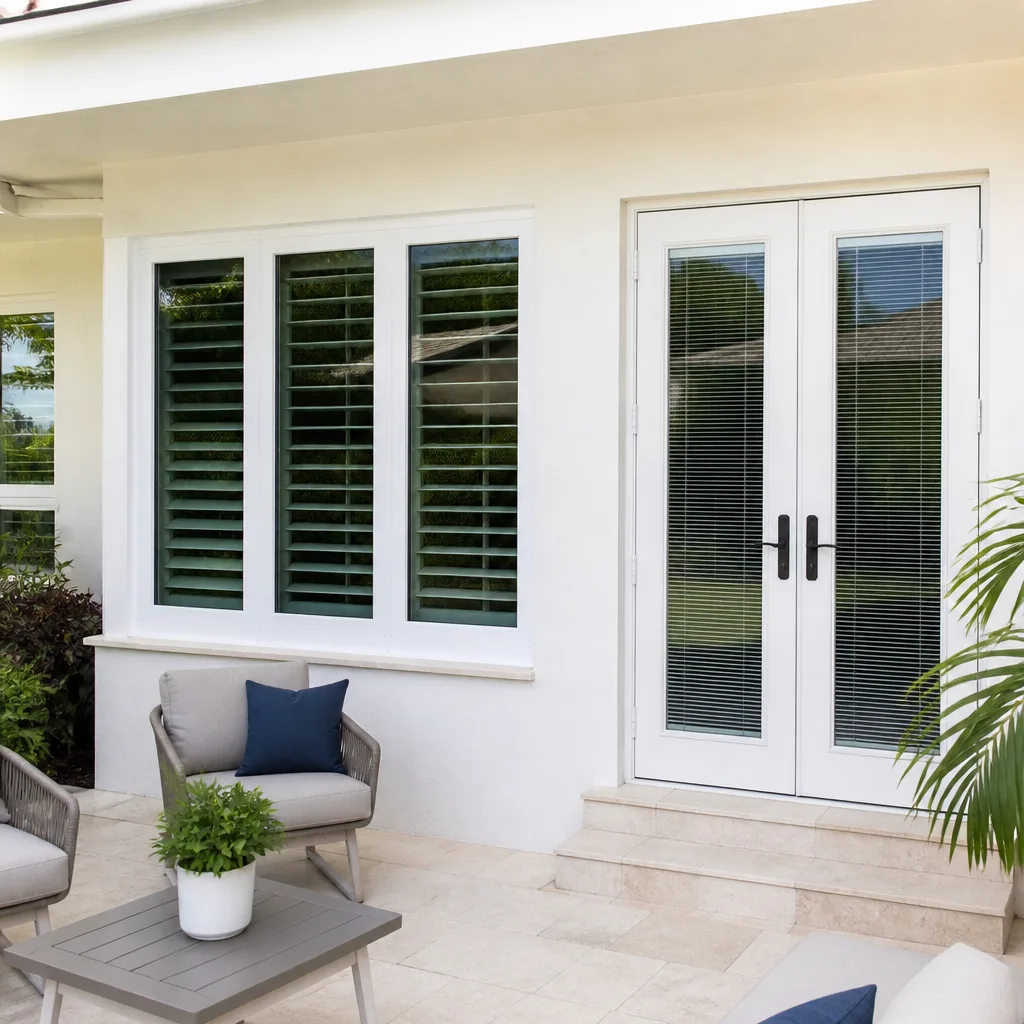 After
After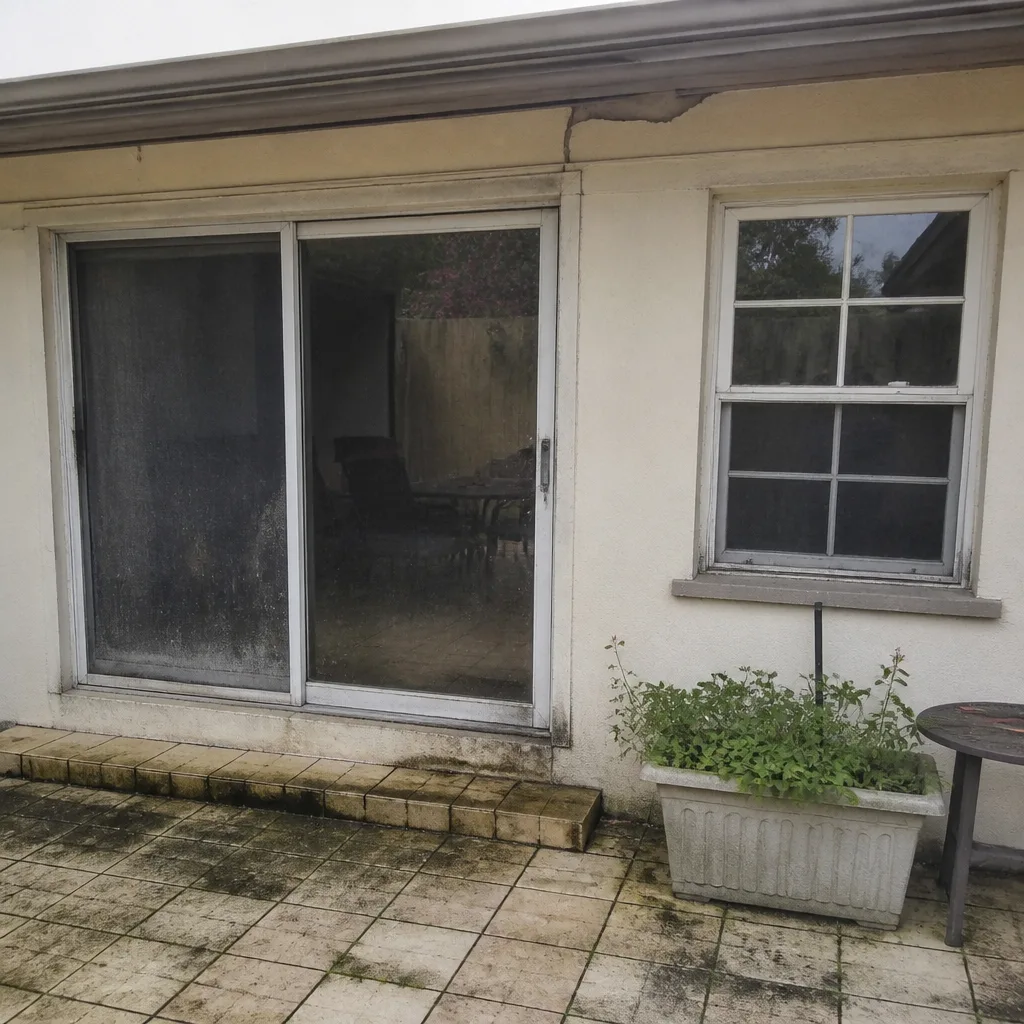 Before
 After
AfterWindows & Doors Permits, Codes & Inspections in FL: What You Need to Know
An unpermitted window replacement in Florida can force you to remove the window, restore the original opening, and pay a fine before a title company will clear your house for sale. That’s not a scare tactic. Title companies now run permit-history checks as a standard closing step, and county building departments across the state are flagging unreinforced openings as non-conforming. If you’re a homeowner in Westchester, FL weighing a window or door project, this guide and our Complete Guide to Windows & Doors in Westchester are your plain-language maps through the three things every contractor hopes you won’t ask about: permits, codes, and the inspections that prove both were done correctly. By the end, you’ll know exactly which documents matter, when they matter, and what happens if they’re missing.
Quick Answer
Replacing windows or exterior doors in Florida requires a building permit from your local building department, and the work must comply with the Florida Building Code including wind-load requirements, impact-glazing standards where applicable, and product-approval documentation. Depending on your county, you’ll need one to three inspections (rough opening, fastening, final) before the permit is closed and your house is legal to sell or insure at full value. In Westchester, the process typically takes 2 to 4 weeks from permit application to final inspection clearance.
Table of Contents
- Why Florida Treats Window and Door Permits Differently
- The Florida Building Code: What Actually Applies to Your Project
- NOCs, NOAs, and FPAs: The Three Documents That Must Align
- The Permit Process Step by Step
- What Inspectors Are Actually Checking at Each Stage
- What Happens When Work Proceeds Without a Permit
- How Permits Connect to Insurance Discounts and the Uniform Mitigation Form
- Common Mistakes to Avoid
- When to Call a Professional
- Frequently Asked Questions
- The Bottom Line
Why Florida Treats Window and Door Permits Differently
Florida is the only state in the continental U.S. that sits in the direct path of both Gulf and Atlantic hurricane landfalls, and that changes everything about how windows and doors are regulated. In most of the country, a window is a thermal question: does it seal, does it tilt, does it keep the air conditioning in. In Florida, a window is a structural question: can it survive a Category 4 wind gust, a 2×4 traveling at 80 miles per hour, and 45 minutes of continuous wind-driven rain? The Florida Building Code exists because Hurricane Andrew flattened Homestead in 1992 and exposed decades of shoddy openings. Since then, the state has maintained some of the strictest fenestration standards in the country, and every permit inspection is a checkpoint against those standards.
That’s why counties like Miami-Dade require a Notice of Acceptance (NOA) for every window and door product installed, not just a generic product approval. It’s also why building departments in Westchester and across Florida will not close an unpermitted opening just because the replacement window “looks right.” The permit is the legal record that the product met wind loads, that the fasteners were installed at the specified spacing, and that the flashing and sealant details were done to the approved detail drawings. That paper trail is what protects you when a hurricane hits, when an insurer asks questions, or when you sell.
The Florida Building Code: What Actually Applies to Your Project
The Florida Building Code, 8th Edition (2023), governs every window and door replacement in the state. The code is divided into volumes, and your project falls under the Residential volume if you live in a one- or two-family home, or the Building volume if you live in a condominium or multi-family structure. What matters for windows and doors comes down to four main provisions.
1. Wind Load Requirements
Every opening must resist the design wind pressures for your specific location. Florida is divided into wind zones, with South Florida including most of Miami-Dade and Broward requiring the highest ratings. The farther inland you live, the lower the design pressure, but no jurisdiction in the state drops below a standard that a typical northern replacement window could meet. A window rated for Pennsylvania, for example, might carry a design pressure (DP) of 25 or 30, while a coastal Florida opening might require DP 50 or DP 60. Installing a window with the wrong DP rating is a code violation that an inspector will catch.
2. Impact Protection or Shutters
Inside the wind-borne debris region, which includes most of coastal Florida and extends significantly inland in South Florida, every exterior opening must be impact-rated OR protected by an approved shutter system. In Westchester, located between Westchester Lake and the Everglades, nearly all single-family homes fall inside the wind-borne debris region, which means impact-rated products are typically required on new construction and on any replacement that touches the structural framing.
3. Product Approval and Labeling
Every window and door installed in Florida must have a Florida Product Approval (FPA) number issued by the Florida Department of Business and Professional Regulation, or a Miami-Dade NOA. The label on the product must match the approval documents. This is the mistake we see most often from out-of-state suppliers and low-budget installers: the window glass carries an impact label, but the frame assembly was never approved as a complete unit for Florida. An inspector will reject it at rough inspection and the fix is usually a full tear-out and re-order. Brands like CGI, CWS, and ES Windows maintain extensive Florida approval catalogs precisely so their products pass on first inspection.
4. Energy Compliance
Florida code sets minimum solar heat gain coefficient (SHGC) and U-factor values for replacement windows. In South Florida climate zones, the SHGC limit is more restrictive than most of the country because of cooling loads. A window can be impact-rated and still fail code if its SHGC is too high for the climate zone. The permit application typically includes a prescriptive energy compliance sheet that confirms the chosen product’s performance values meet Chapter 11 of the FBC.
NOCs, NOAs, and FPAs: The Three Documents That Must Align
The single biggest point of confusion for Florida homeowners is the difference between a Notice of Commencement, a Notice of Acceptance, and a Florida Product Approval. Here they are, plainly separated.
Notice of Commencement (NOC)
An NOC is your paperwork, not the product’s. It’s a recorded legal document that tells the world a construction project is happening at your address and that you, the owner, authorize the work. Florida law requires an NOC for any permitted project valued at $2,500 or more, which includes practically every window and door replacement of more than one or two openings. The NOC must be recorded with the county clerk before the first inspection (and in some counties, before the permit is issued), and it establishes the legal right of unpaid subcontractors and suppliers to file a lien if they don’t get paid. Failing to file an NOC can void the permit and force a re-inspection later.
Notice of Acceptance (NOA)
An NOA is a Miami-Dade County product approval that has been accepted by the Florida Building Commission for use statewide. It’s a rigorous, document-heavy approval that includes engineering calculations, test reports, and installation details. Products with NOAs are generally accepted anywhere in Florida. Products from ECO Window Systems, for example, often carry both an FPA and an NOA, making them safe picks for homeowners who want maximum flexibility across counties.
Florida Product Approval (FPA)
An FPA is a state-level approval issued under Rule 61G20-3. It covers a specific product line from a specific manufacturer, tested to specific performance standards. The FPA number must be listed on the permit application, and the installed product must carry a label or etching that matches. If a product carries an FPA but not an NOA, it’s valid everywhere in Florida except Miami-Dade and Broward, which maintain their own reciprocity rules. Installing a window with an FPA that doesn’t match the installed product, or with an FPA that has lapsed, fails inspection even when the window itself is well built.
All three documents must align before work starts. The permit references the product approvals, the NOC references the permit, and the inspector checks all three at rough and final. Any gap, and the job stops.
The Permit Process Step by Step
Here’s the process a homeowner in Westchester should expect, start to finish.
- Gather the product documentation. Your contractor should provide the FPA or NOA number for the exact window or door model being installed, plus the design pressure rating and the energy compliance values. If they can’t produce this before you sign a contract, walk away.
- Prepare the permit application. This includes the scope of work, the product approval documents, a site plan or elevation drawing, and the contractor’s license and insurance information. In Miami-Dade, the application also includes the NOA specifically.
- Submit to the building department. In Westchester, that’s Miami-Dade County’s Department of Regulatory and Economic Resources. Permit fees range from about $80 to $250 for a typical window replacement, depending on the valuation of the work.
- Record the Notice of Commencement. If your project is $2,500 or more, the NOC must be recorded with the Miami-Dade County Clerk before the first inspection can be scheduled.
- Schedule the rough opening inspection. Once the permit is issued, the contractor removes the old window, prepares the opening, and calls for inspection before the new unit is set (in jurisdictions that require a rough inspection, which includes most of Miami-Dade).
- Schedule the final inspection. After the window or door is installed, flashed, sealed, and trimmed, the final inspection verifies the label, fastener spacing, and finish condition. The inspector then signs off, and the permit is closed.
Total timeline in Westchester is usually 2 to 4 weeks from permit application to closed permit, depending on county review volume and inspection availability.
What Inspectors Are Actually Checking at Each Stage
There’s a persistent myth that inspectors just glance at the window and sign the form. In reality, Florida inspectors are checking for specific failure points that cause most hurricane-related window blowouts. Here’s what each stage actually involves.
Rough Opening Inspection
Before the new window goes in, the inspector checks the condition of the rough opening. Is the framing sound? Are there signs of rot or termite damage that would compromise fastener pull-out? Is the opening plumb and square within tolerance? The inspector also verifies that the fastening system specified in the product approval (typically specific screw types and spacing, or masonry anchors for CBS construction) is going to work with the wall type. In a concrete block home, which describes most of Westchester’s housing stock, the fastening detail is completely different from a wood-frame wall, and the product approval must show a test for the correct substrate.
Fastener and Installation Inspection
Some jurisdictions combine this with rough inspection, but many Miami-Dade inspectors perform a separate check once the unit is set but before trim covers the fasteners. The inspector is looking for fastener spacing that matches the NOA or FPA installation drawings, shim placement at the load points, and the correct count and size of fasteners. This is the inspection most likely to fail when a low-budget installer uses generic screws from the hardware store instead of the approved fastener. The NOA will list exact screws by name. The inspector will check the label on the window against the permit. If they don’t match, fail.
Final Inspection
The final is about two things: that nothing was covered up that shouldn’t have been, and that the finished opening functions and seals correctly. The inspector checks the flashing tape orientation, the sealant bead continuity, the interior finish, and the operation of the window or door. For impact products, the inspector also verifies the product label is still visible and matches the permit. If all is well, the permit closes. If anything is left open, you’ll receive a correction notice with a re-inspection fee.
What Happens When Work Proceeds Without a Permit
The homeowner is the one left holding the bag, every single time. Florida law places the ultimate responsibility for permit compliance on the property owner, not the contractor. If a contractor tells you they’ll “handle it without the paperwork” and disappears, the violation attaches to your property, your insurance policy, and your next sale.
The county can issue a code enforcement violation that stays with the property until corrected. The correction isn’t a small fix: the opening must be opened back up, the unpermitted product removed, a permit pulled, the correct product re-installed, and inspections passed. You pay for the tear-out and the re-install. If the unpermitted window fails a wind test or the code officer determines the opening no longer meets current requirements, you may be required to upgrade to impact-rated product at your own expense.
Then there’s the insurance problem. If a hurricane blows out an unpermitted window and water destroys the interior, your insurer can deny the claim on the basis that the opening was illegally altered. We’ve seen exactly this happen in Westchester after Hurricane Irma: homeowners with unpermitted sliding glass door replacements were denied water-damage claims because the door was never inspected. The insurance company doesn’t need to prove the legal door would have survived. They only need to prove the installed door wasn’t permitted, and coverage is voided.
At resale, the title company will order a permit search. If an unpermitted window or door replacement shows up in the seller’s disclosure or in an inspection report, the title company will flag it. The closing stalls. The seller either pays to get the permit retroactively (which often requires partial demolition) or accepts a reduced price from a buyer who knows the work was illegal. Either way, the “savings” from skipping the permit evaporates, usually at a multiple of what the permit would have cost.
How Permits Connect to Insurance Discounts and the Uniform Mitigation Form
The Florida Uniform Mitigation Verification Inspection form, known as the 1802, is the document your insurance company uses to calculate wind mitigation discounts on your homeowner’s policy. The inspector opens each penetration (windows, doors, skylights, garage door), checks for impact labels or shutter attachments, and records the findings on the form. If the inspector cannot see the label, cannot verify the product, or sees evidence of unpermitted work, those openings get zero mitigation credit.
That’s a direct hit to your premiums. A home in Westchester with impact-rated windows and doors, documented with product approvals and a closed permit, typically receives a substantial wind mitigation discount. The same home with unpermitted replacements receives nothing for those openings, and the inspector may note “unknown construction” on the 1802, which can trigger a higher risk rating.
Here’s the connection that most homeowners miss: the 1802 form is a point-in-time verification. The permit record is the permanent evidence that the installation was done correctly and the product was code-approved when installed. When a new insurance company asks for documentation after a claim or a policy change, the permit file is what protects you. A closed permit with the correct FPA or NOA number on it is a permanent, transferable record. A receipt from a cash job is not.
Common Mistakes to Avoid
- Believing the contractor’s “we don’t need a permit for replacement” line. Replacement is not repair in Florida code. Any change to the structural opening, any glazing change, any product swap requires a permit. “Like for like” does not exempt you.
- Not verifying the FPA or NOA before signing. Ask for the approval document and check it against the Florida DBPR product approval database or the Miami-Dade NOA search tool. If the contractor balks, that’s a red flag.
- Skipping the Notice of Commencement. A project over $2,500 without a recorded NOC is a lien risk plus a permit invalidation risk. It takes 20 minutes and a small recording fee. File it.
- Letting the contractor install a product from an unauthorized brand. In Westchester, impact products from PGT, CGI, CWS, ES Windows, ECO Window Systems, and Therma-Tru carry approvals that pass inspection. An unknown brand with no FPA number will fail and you’ll pay for two installs.
- Not requesting the final inspection closure documentation. The permit isn’t done when the window goes in. It’s done when the inspector signs off and the county closes the permit. Get the closed permit in writing.
- Assuming an open permit doesn’t matter until you sell. An open permit stays with the property and complicates any future work, refinance, or insurance change. Close it out.
When to Call a Professional
Any window or door replacement that touches the opening, changes the product, or alters the structural attachment is a permitted, inspected job. If your existing windows are typical single-pane units from the 1980s or earlier, they almost certainly do not meet current Florida code, and any replacement will require an upgrade to the current standard. That’s not your contractor being difficult; that’s the law. The right professional will walk you through the FPA or NOA documentation, file the permit, record the NOC, schedule the inspections, and give you the closed permit at the end. Winslow Windows & Doors offers free estimates in Westchester - call (850) 721-1218 and ask for a written, line-item quote with the permit fees broken out separately. No surprises.
Frequently Asked Questions
Yes. Any window or exterior door replacement in Florida requires a building permit, including single-unit replacements. The type of permit may be a simplified over-the-counter approval for direct same-size replacements, but you still need the permit.
A typical residential window or door permit in Miami-Dade County, which covers Westchester, costs between $80 and $250 depending on the project valuation, plus the NOC recording fee of about $30 to $50. Exact fees are calculated by the building department when the application is submitted. Call (850) 721-1218 if you’d like a written estimate with permit fees itemized.
An NOA is a Miami-Dade County product approval accepted statewide, and it’s typically required in Miami-Dade and Broward. An FPA is a Florida state product approval issued through the DBPR, valid in most of the state but not always accepted in Miami-Dade. Both are valid in Westchester, but the installed product must match the approval document exactly.
Florida allows owner-builder permits in most counties, but you assume full liability for the installation, the inspections, and any future failure. With impact-rated products, the installation tolerances are tight, the fastening schedules are specific, and a botched install voids the product warranty. Most homeowners in Westchester hire a licensed contractor for this work.
You become responsible for the correction once you own the property. You can apply for an as-built permit, which requires an engineer or contractor to verify the installation meets code, or you can replace the units under a new permit. The cost varies depending on the product and the inspection findings. Get a professional to look at what was installed and give you a realistic path forward.
The insurance inspector uses the Uniform Mitigation Verification Form to record impact labels and installation details. Only products with valid permits and visible approval labels receive mitigation credit. Unpermitted or unlabeled windows score zero, which raises your premiums and can complicate storm-damage claims.
The Bottom Line
Florida’s permitting process for windows and doors exists because the state learned, at enormous cost, that openings are the weakest link in a hurricane. The permit is not bureaucracy; it’s the legal record that your home meets the wind, impact, and energy standards your insurance policy and your future buyer will require. If you live in Westchester or anywhere in Florida, the sequence is simple: verify the product approval, pull the permit, record the NOC, pass the inspections, and keep the closed permit. Skip any step, and the consequences land on you. If you’d like to see how a properly permitted window or door project looks from start to finish, Winslow Windows & Doors home has the full walkthrough, or explore our Impact Windows in Westchester page to see which products carry the approvals Westchester inspectors expect. For the installation side, our Window Installation in Westchester and Window Replacement in Westchester guides cover the hands-on process and pricing. Call (850) 721-1218 and Ed will answer.
Written by Ed Winslow, Owner at Winslow Windows & Doors, serving Westchester since 2011. Browse more guides & resources for Florida homeowners.
Six Reasons Homeowners Choose Winslow Windows & Doors
Impact systems engineered to design pressures up to +/-100, matched to your wind zone - your openings hold when the storm arrives.
Low-E insulated impact glass from our manufacturer lines commonly cuts monthly cooling bills 20-30%.
Laminated impact glass shuts out up to 40% of outside noise - traffic, neighbors, weather.
Monitoring services run $30-90 a month. Laminated impact glass resists forced entry around the clock, with no subscription.
Florida homeowners average around 25% savings on the windstorm portion of their policy after protecting every opening - some homes qualify for more.
A full impact package upgrades curb appeal, buyer confidence and appraised value in one project.