
Last updated August 27, 2026
Free in-home measure and quote - PGT, CGI and CWS impact lines compared on your actual openings, style by style
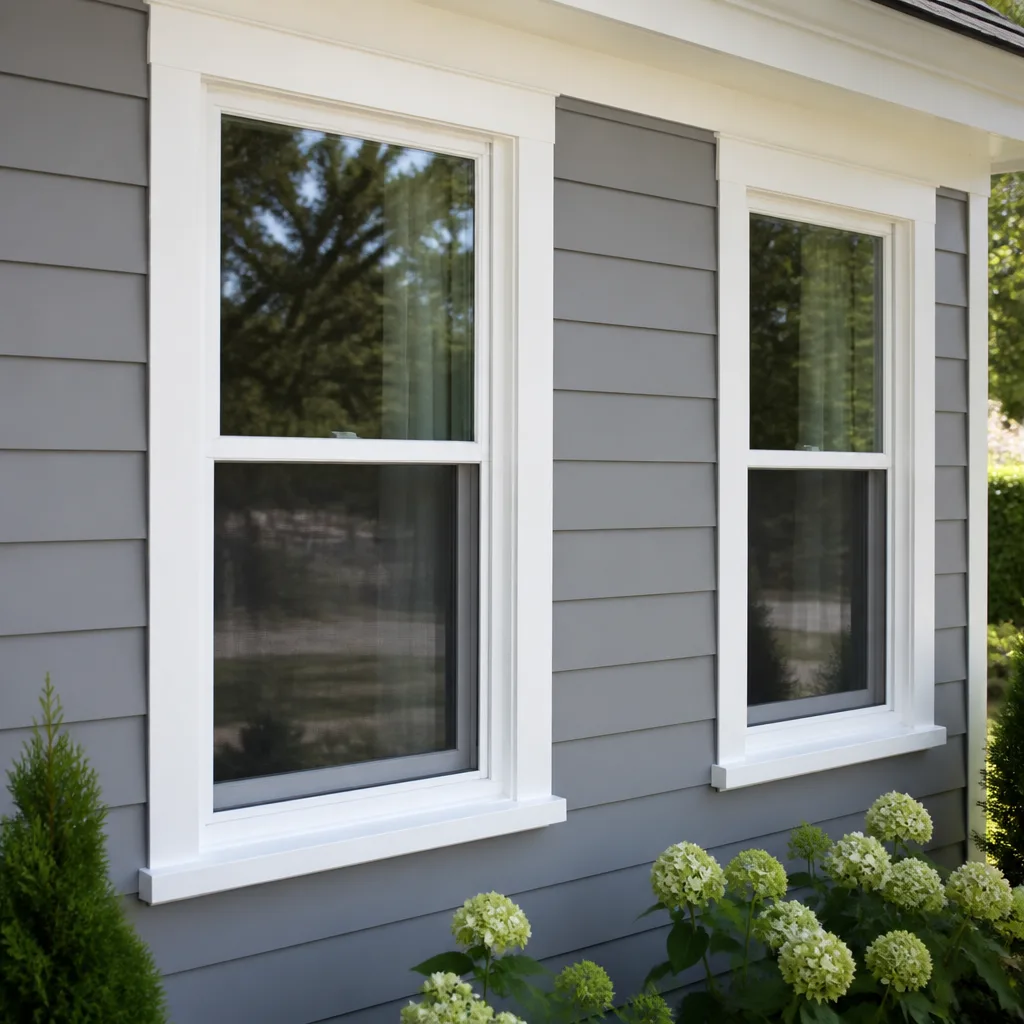
Double hung
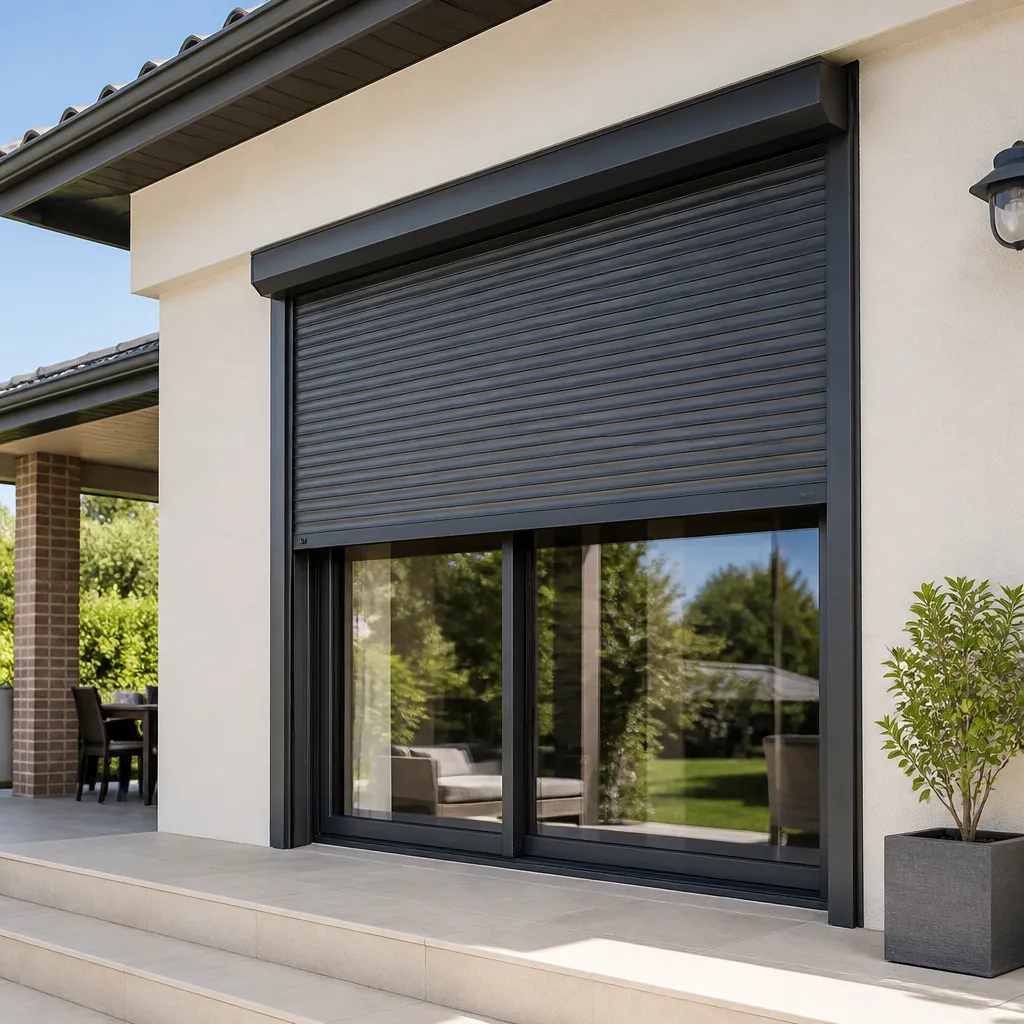
Casement
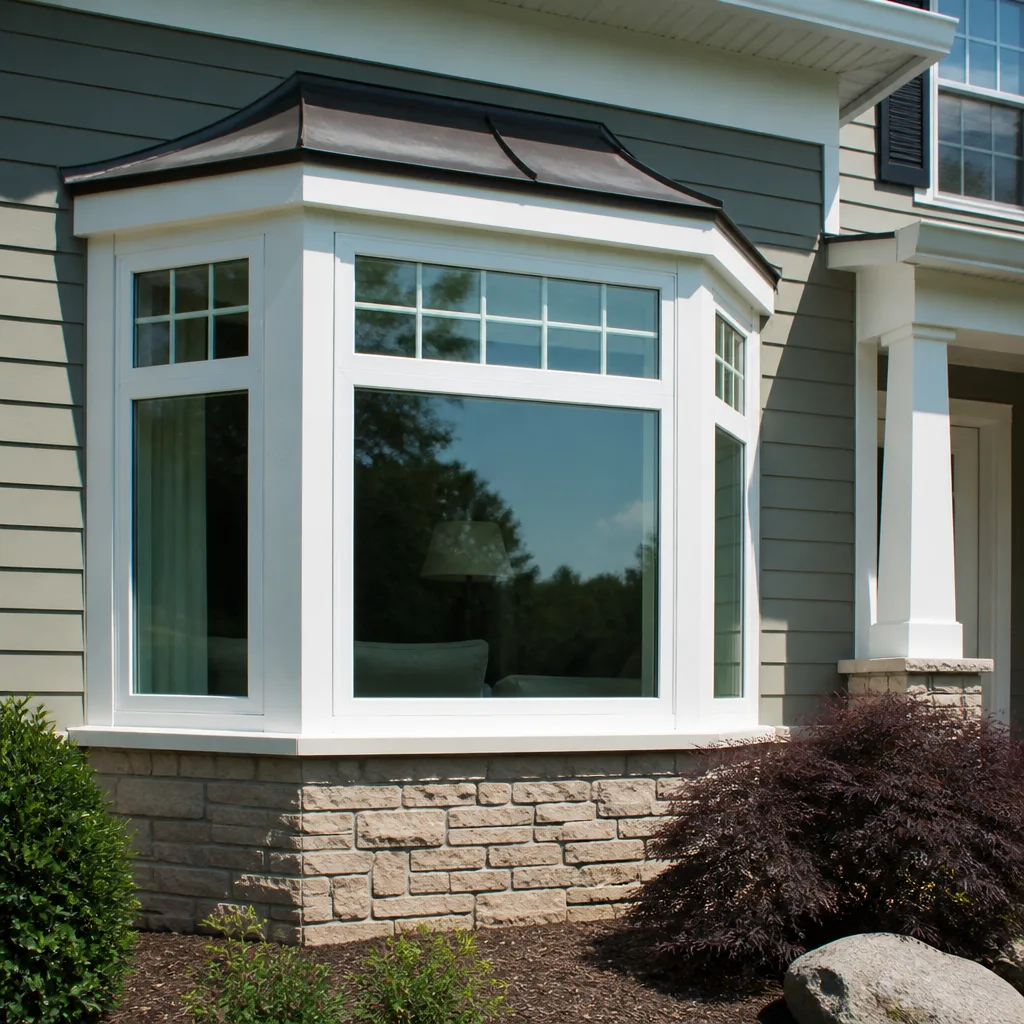
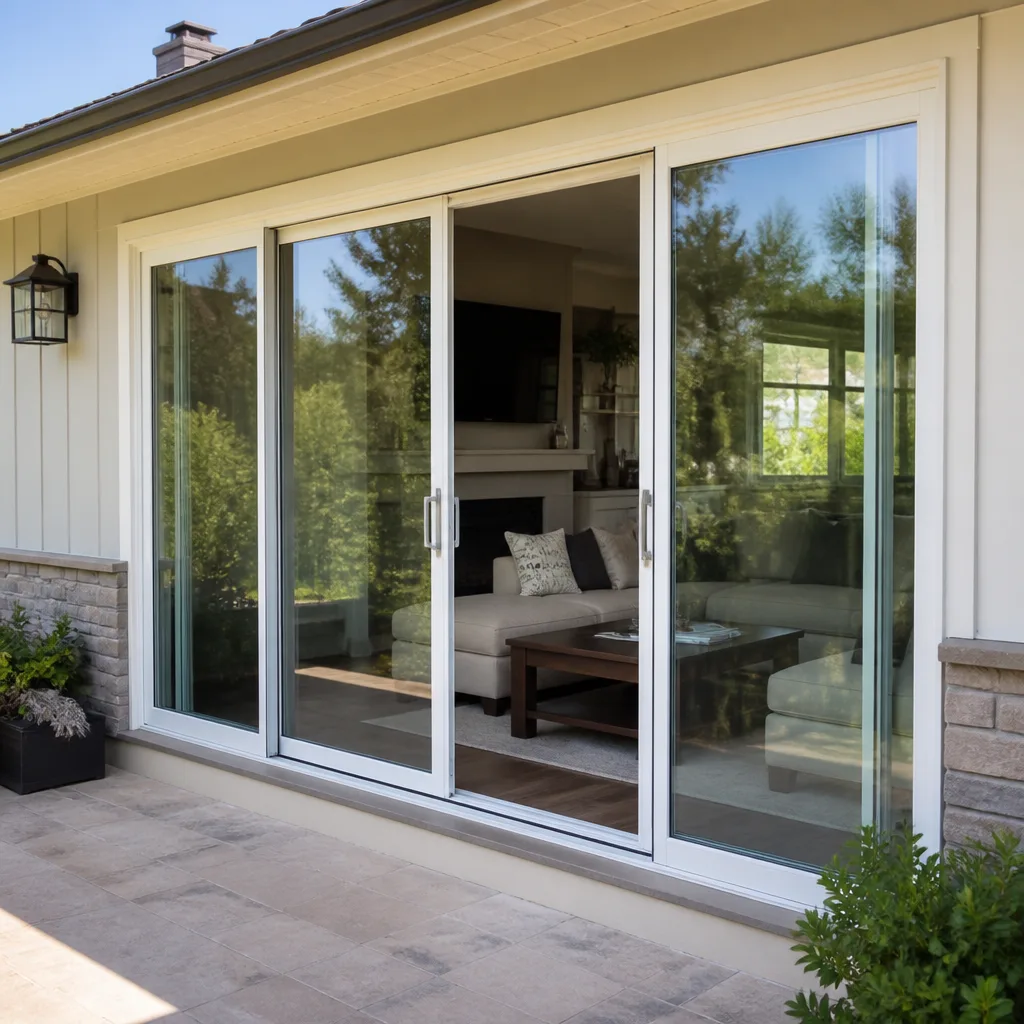
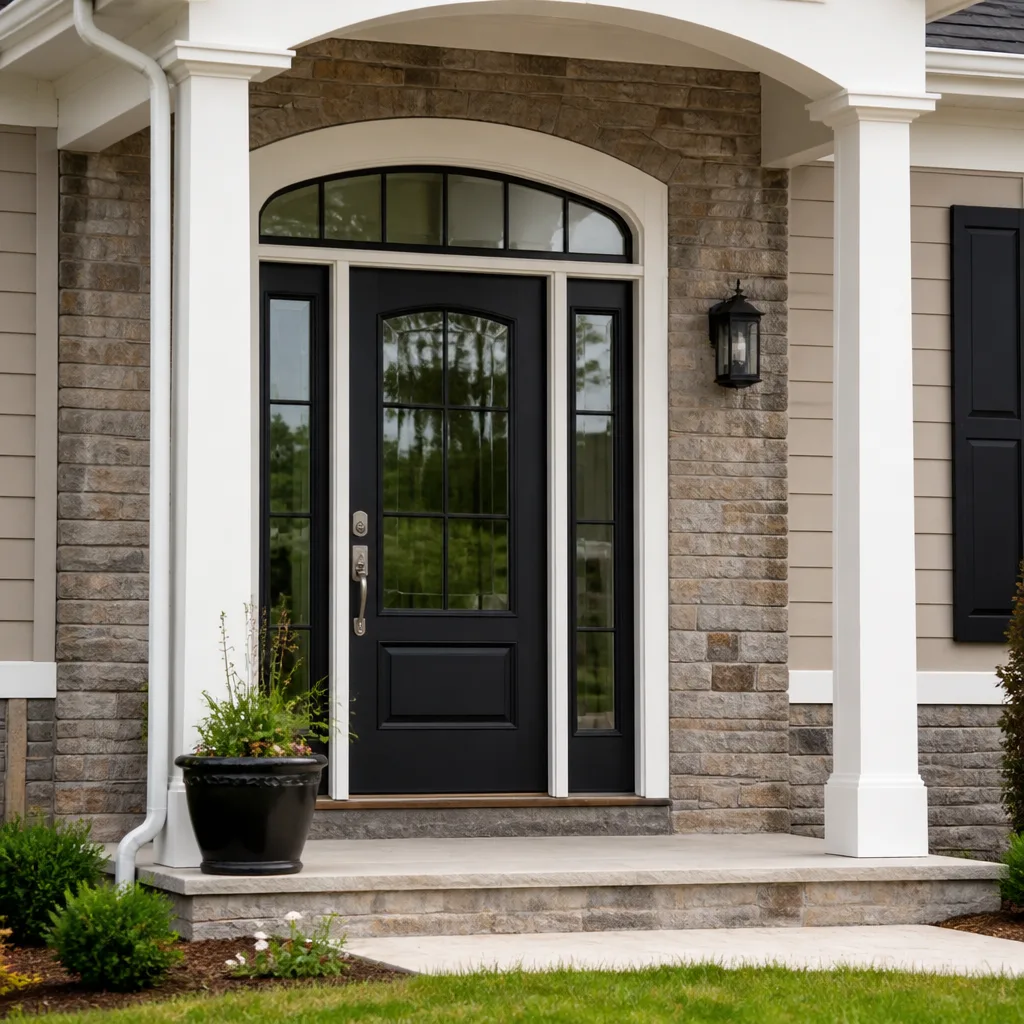
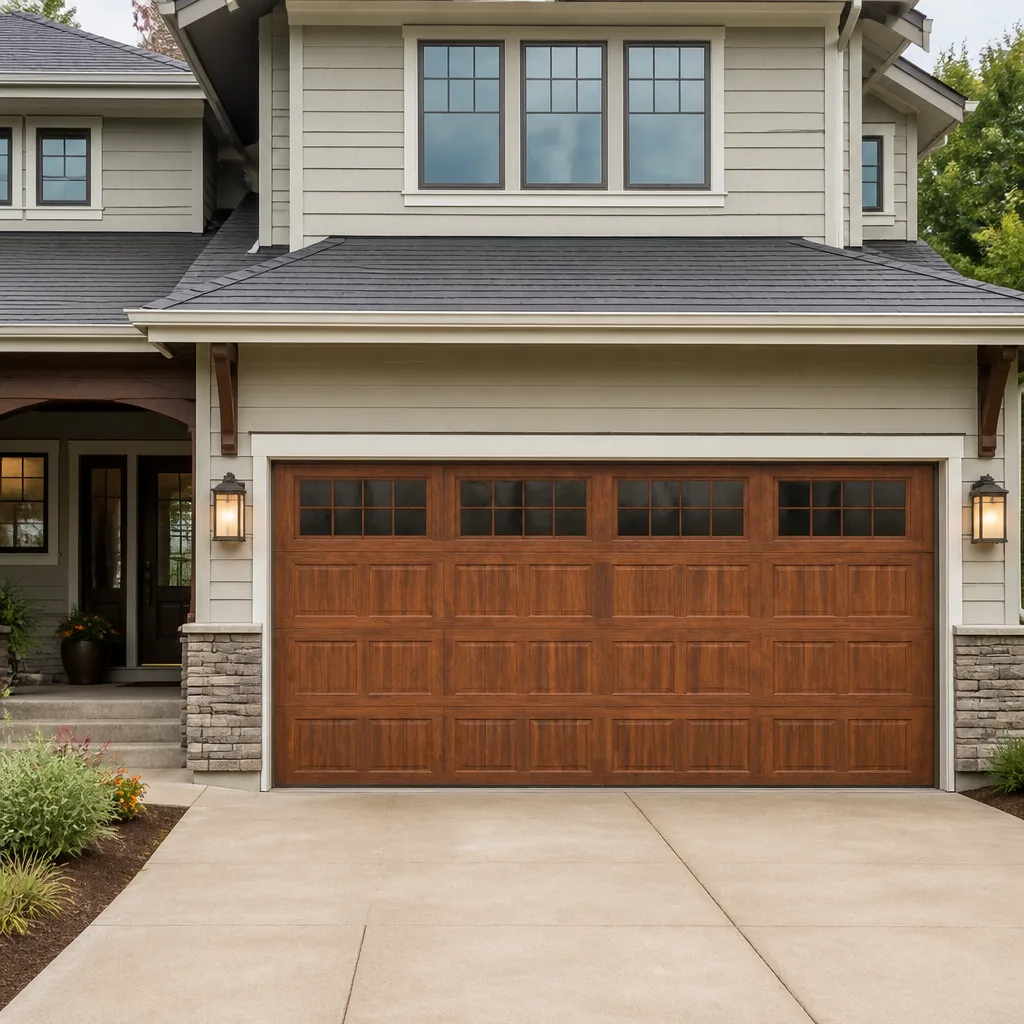
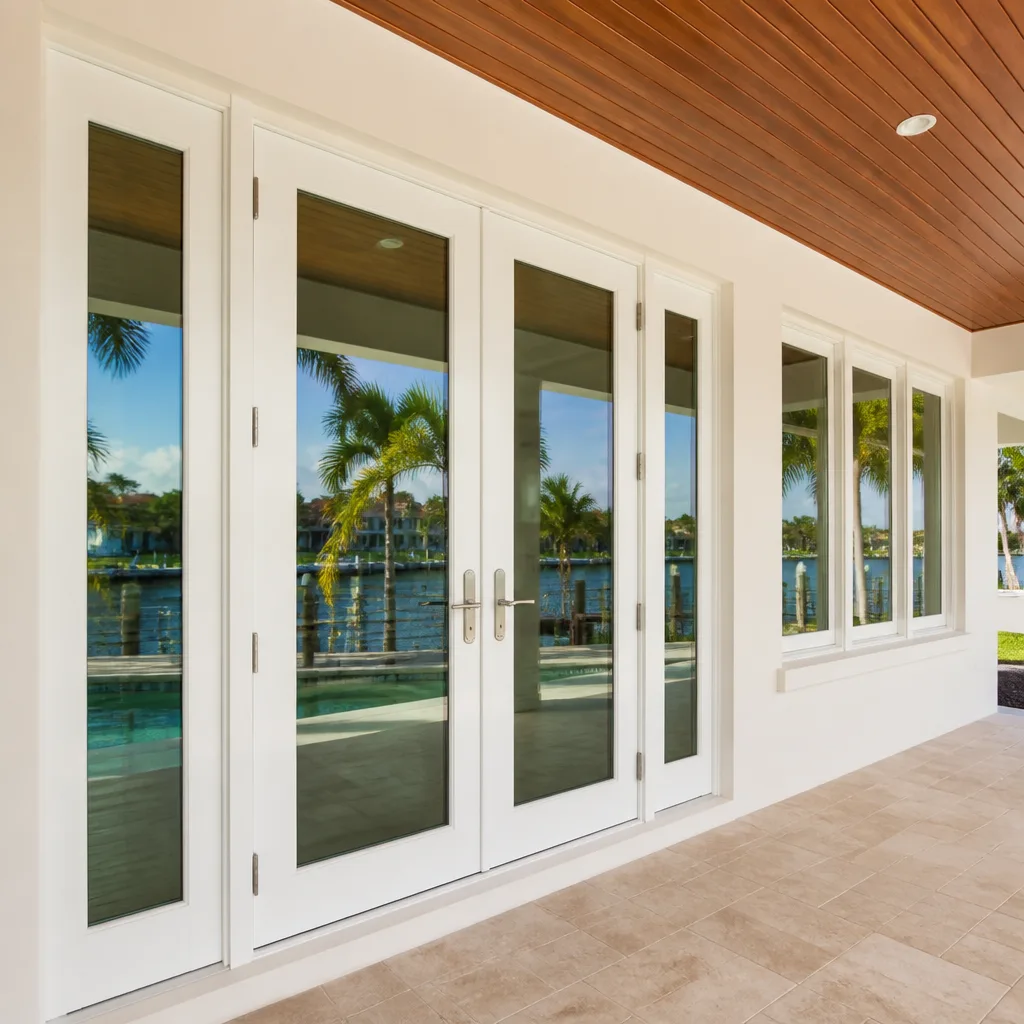
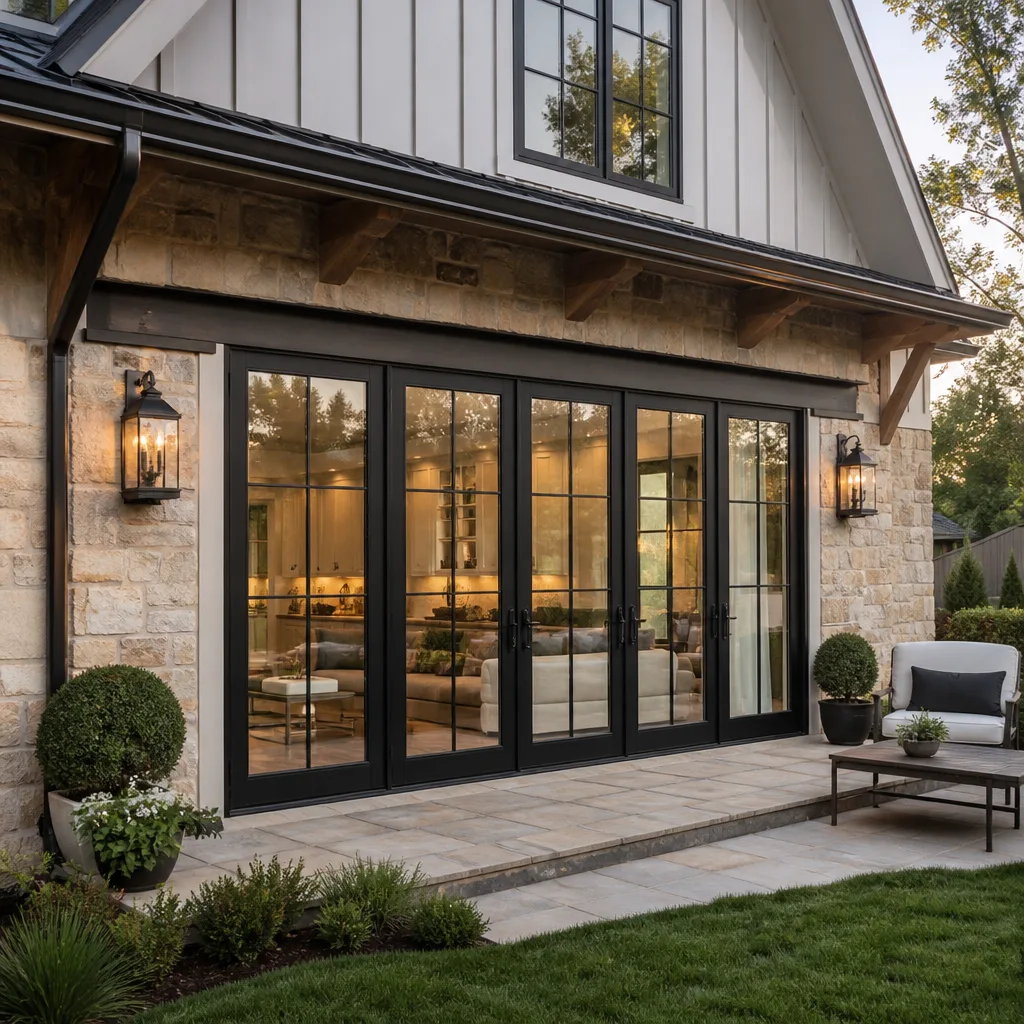
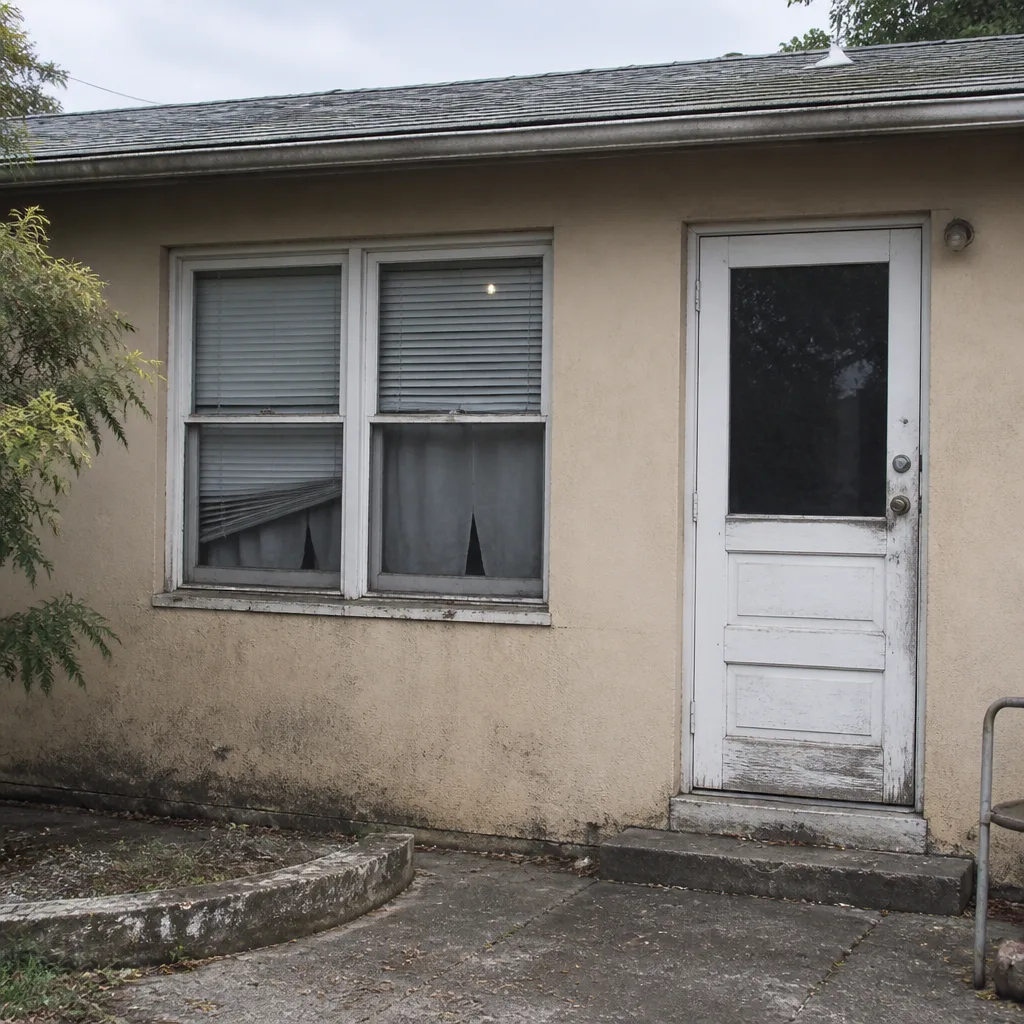 Before
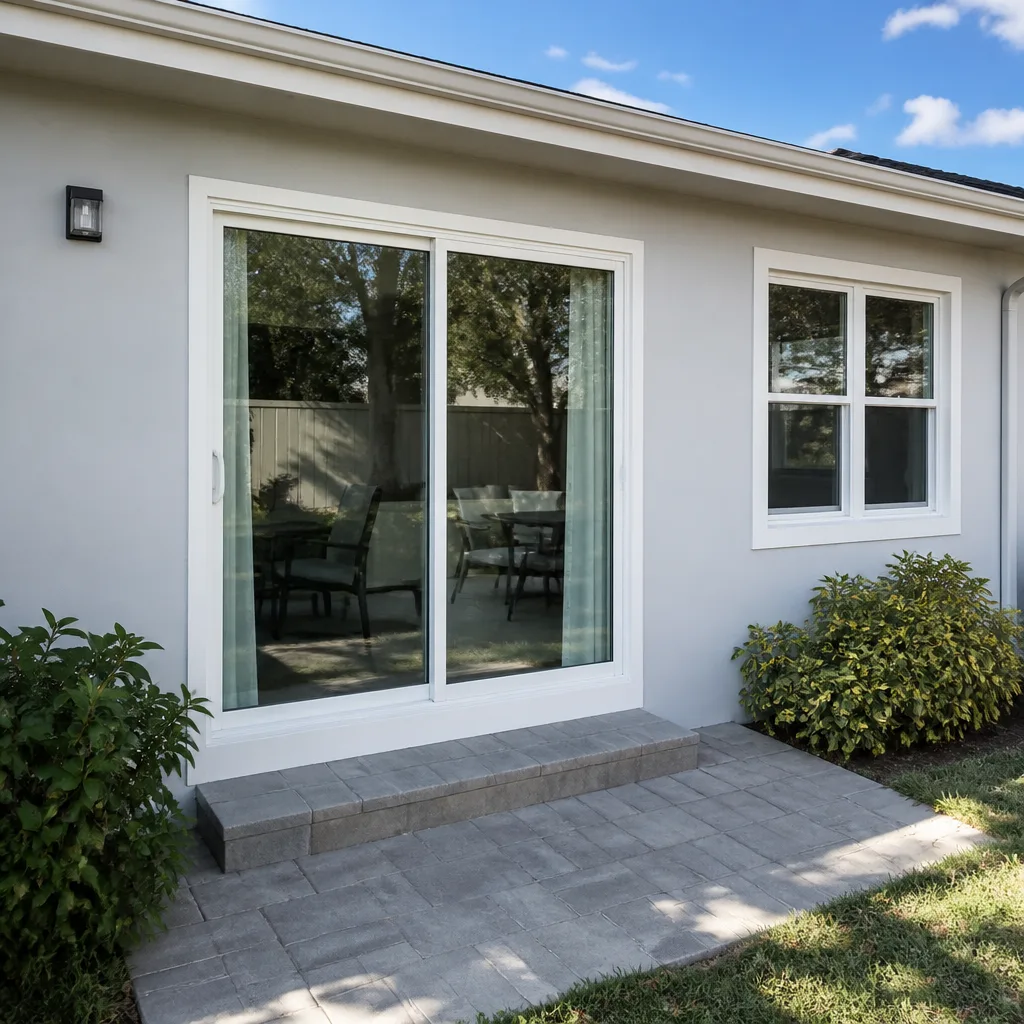 After
After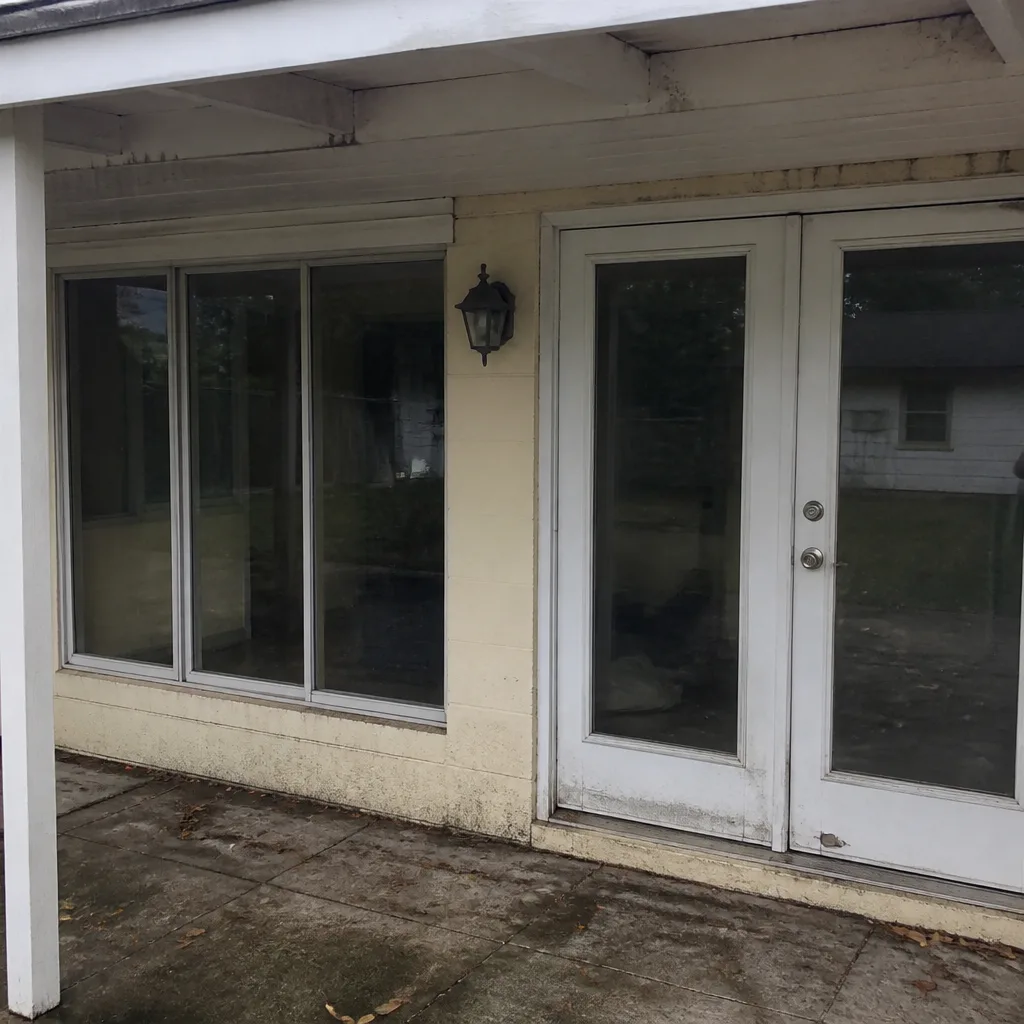 Before
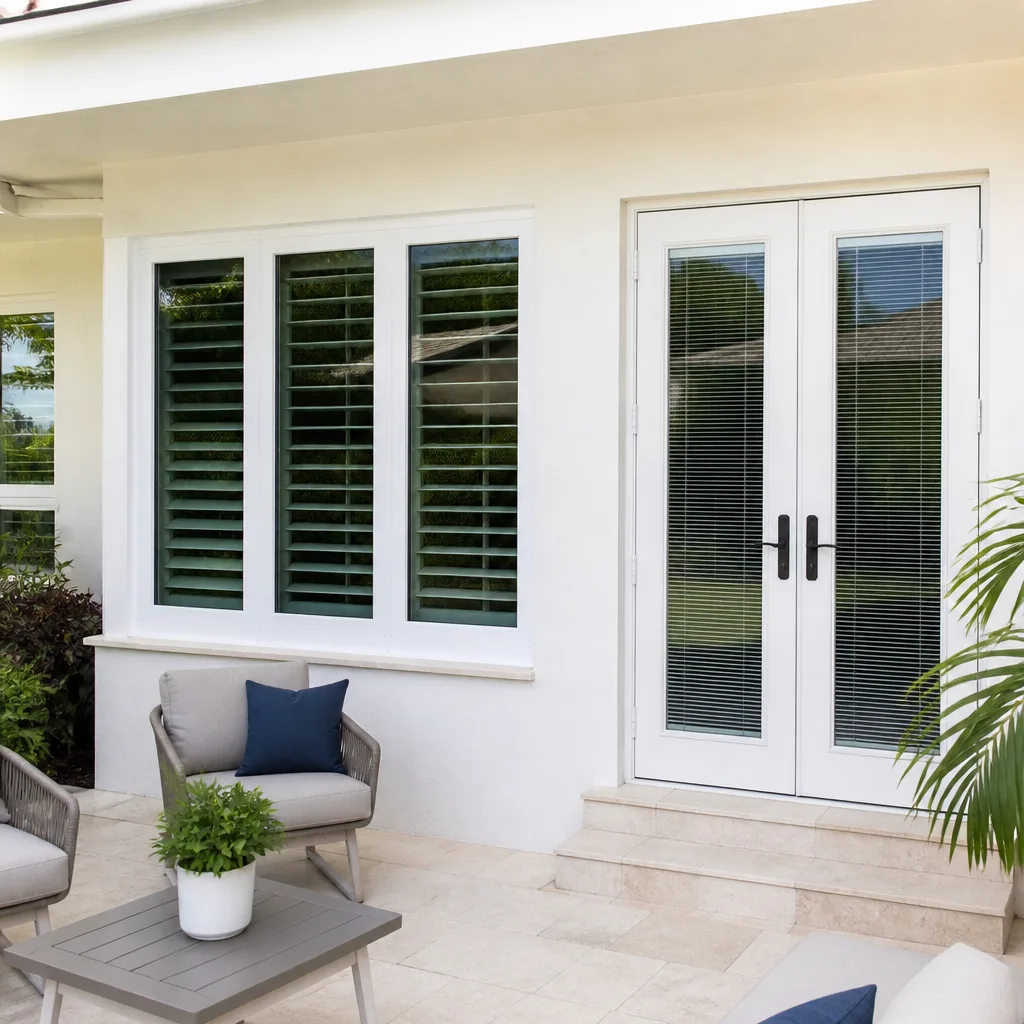 After
After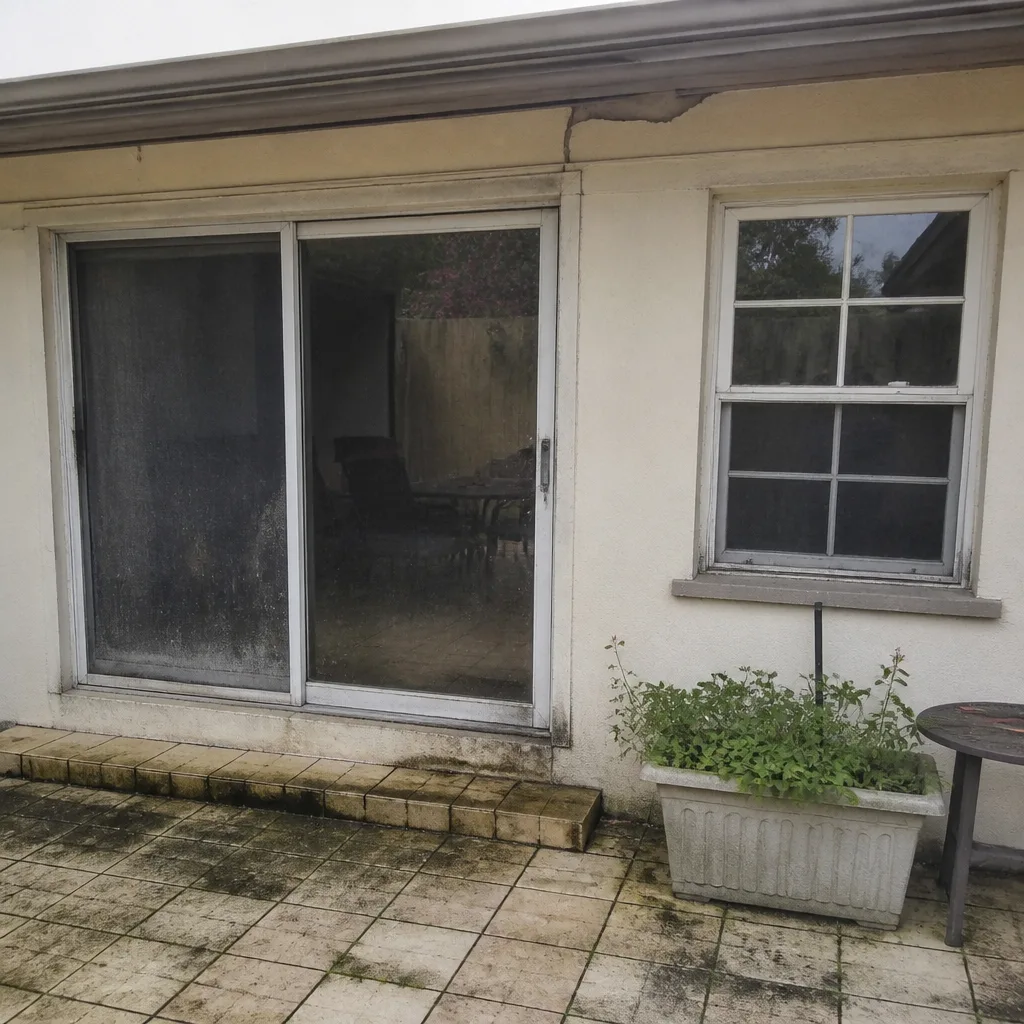 Before
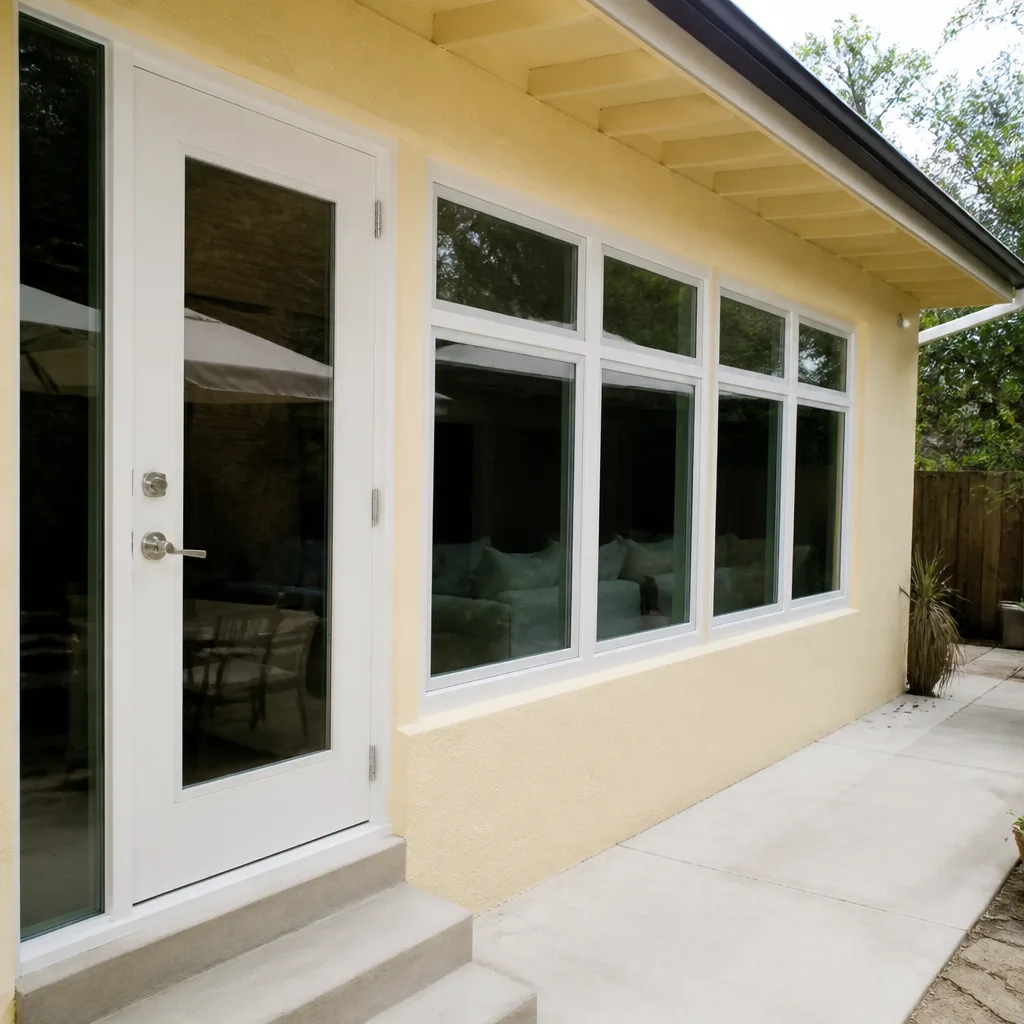 After
AfterThe Complete Guide to Windows & Doors in Westchester
Most homeowners in Westchester don’t realize their new windows can legally disqualify them from Citizens Insurance discounts if the product specs miss one line in Florida’s wind-borne debris zone requirements. That single oversight can cost you $600 to $1,400 a year in lost premium reductions, every year, for as long as you own the house. This guide walks through the three forces that shape every window and door decision in Westchester: hurricane code, salt-air corrosion, and flood-zone insurance. By the time you finish, you’ll know exactly what to buy, what it should cost, and which corners you can’t afford to cut.
Quick Answer
Windows and doors in Westchester, FL must meet Miami-Dade High Velocity Hurricane Zone (HVHZ) standards, which means impact-rated or properly protected openings, corrosion-resistant frames, and documented installation tied to a permit and inspection. Expect to spend $85 to $210 per square foot on impact windows and $1,800 to $6,500 per impact door. Working with a local installer who pulls permits and provides the mitigation certificate is the difference between insurance savings and insurance headaches, as we explain in our guide on how to hire a windows & doors contractor in Westchester.
Table of Contents
- What HVHZ Means for Your Windows and Doors
- Why Salt Air Eats Standard Frames in Under Five Years
- Insurance Mitigation: The Certificate That Saves You Hundreds
- Brand Matchmaking: PGT, CGI, and Therma-Tru for Westchester Homes
- Real Costs in Westchester: Windows, Doors, and Installation
- The Permit-to-Inspection Timeline in Miami-Dade County
- Common Mistakes to Avoid
- When to Call a Professional
What HVHZ Means for Your Windows and Doors
Westchester sits inside the High Velocity Hurricane Zone (HVHZ), a designation that covers all of Miami-Dade County and exists nowhere else in Florida. It is the strictest building code in the state, and for good reason: a Category 5 storm driving debris at 140 miles per hour does not care about your curb appeal. Every window, door, skylight, and garage door in Westchester must either be impact-rated in its entirety or protected by an approved shutter system. No partial compliance exists. If you pull a permit for a window replacement in Westchester, the plan reviewer will check product approval numbers before you touch a screwdriver.
The practical consequence is that price becomes the second conversation and product approval becomes the first. Not every window sold in Florida is legal to install in Westchester, even if Home Depot or an online retailer ships it to your door. We’ve had homeowners bring us windows purchased elsewhere-sometimes after following DIY advice-only to discover they carry a Dade County approval that lapsed or never existed. The fix is product removal and repurchase, a $2,000 to $5,000 mistake that happens more often than you’d think.
Here’s what HVHZ compliance actually requires in Westchester:
- Florida Product Approval (FPA) number issued by Miami-Dade County, not just a generic Florida Building Code stamp. You can look up any product approval at the county’s online database.
- Missile impact rating for both large missile (D) and small missile (C) where applicable. Large missile matters for windows below 30 feet; small missile for higher openings.
- Design pressure (DP) rating matched to the opening size and building height. Larger openings need higher DP ratings. A window that passes on a bungalow can fail on a two-story addition.
- Installation method tied to the product approval. Miami-Dade requires specific anchoring patterns, fastener types, and mullion reinforcement. A product can be approved and still fail inspection if the installer deviates from the approved installation detail.
- Garage doors included. The garage door is the largest opening in most Westchester homes and the most common failure point in a hurricane. It must carry wind-load approval and be reinforced or replaced with an impact-rated model.
If you want a deeper look at how this plays out product by product, our guide to Impact Windows in Westchester covers the approval process and what passes inspection on the first try.
Why Salt Air Eats Standard Frames in Under Five Years
Westchester sits about eight miles from Biscayne Bay, and the salt-laden air that drifts inland from the Atlantic corridor is a slow but relentless machine. Standard builder-grade aluminum frames, the kind installed in thousands of Westchester homes during the 1970s and 1980s, develop pitting and corrosion within three to five years when exposed to that air without a protective coating. The hardware fails first: locks seize, hinge screws strip, and the weep holes that drain window tracks clog with white corrosion powder.
But the real problem with salt air isn’t the cosmetic pitting. It’s the electrochemical reaction that happens when two different metals touch in a moist, salty environment. Untreated aluminum frames with steel screws or zinc hardware create a small battery that accelerates corrosion at every point of contact. We see this all the time in neighborhoods like Westchester’s Bird Road corridor and the blocks around Tropical Park: windows that look fine at a glance but have structurally compromised corners where the frame extrusion meets the fastener.
Frame material matters more in Westchester than in most Florida markets. Here’s how the options actually perform:
- Marine-grade aluminum (6000 series with anodized or powder-coated finish): The workhorse for coastal Florida. Holds up well against salt air when properly coated, and premium brands like PGT and CGI design their extrusion alloys specifically for saltwater exposure. This is what we recommend for most Westchester homes.
- Vinyl: Resists corrosion entirely but can flex under high wind load, which is a problem for large openings and second-story windows in an HVHZ. Vinyl windows in Westchester typically need additional reinforcement to meet design pressure requirements.
- Composite or fiberglass: Excellent salt resistance and strength, but limited product availability for the large missile impact ratings required in Westchester. More common in northern Florida markets.
- Untreated aluminum (what’s already on most older Westchester homes): A liability. You may not need to replace every window, but if you see white powder at the frame joints or a rough, chalky texture on the exterior finish, the clock is ticking.
The takeaway is simple: in Westchester, the frame material is a structural decision, not an aesthetic one. We install PGT and CGI aluminum and impact products specifically because they’re engineered for the salt-air reality here, and we’ve seen what happens to frames that weren’t.
Insurance Mitigation: The Certificate That Saves You Hundreds
Florida’s wind mitigation credit system is one of the only paths to meaningful savings on a homeowners insurance policy these days, and Westchester homeowners are positioned better than most to use it. A properly documented window and door replacement, verified by a Uniform Mitigation Verification Inspection (Form 1802) and tied to the permit, can reduce the wind portion of your premium by 30% to 45%. On a $4,000 annual premium, that’s $1,200 to $1,800 back in your pocket per year.
But here’s what most guides miss: the insurance discount is not automatic just because you installed impact windows. The discount hinges on documentation at every stage, and one gap kills the whole credit.
- Product approval number recorded at purchase. The Form 1802 inspector must be able to verify each window and door against its Miami-Dade approval. If the installer doesn’t document the FPA numbers, the inspector cannot confirm the opening protection and the credit fails.
- Permit pulled before installation. Unpermitted window replacements in Westchester are a nightmare when you sell the house and they disqualify you from insurance credits entirely. The insurer checks the permit record.
- Final inspection passed. A permit that was pulled but never closed is treated as an incomplete job. It raises questions with underwriters and can block the mitigation credit.
- Form 1802 completed by a licensed inspector after the work is done. This is a separate step from the building inspection. The inspector photographs the products, records the documentation, and submits the form to the state.
- Updated wind mitigation report submitted to your insurer. Your agent needs the final report, not the estimate. We’ve seen homeowners lose a full year of savings because they filed the wrong document.
For more on how this process works from start to finish, read our breakdown of Window Replacement in Westchester, which walks through the permit, inspection, and certification sequence in detail.
Brand Matchmaking: PGT, CGI, and Therma-Tru for Westchester Homes
Every Westchester home has a different exposure profile, and the “best” brand is the one matched to the actual conditions your house faces. A single-story ranch in the interior of Westchester, a two-story colonial near Tropical Park, and a modern addition with floor-to-ceiling glass each demand different product characteristics. Here’s how we match the three brands that matter most in this market:
PGT: The Value Leader for Standard Impact Windows
PGT is the largest Florida-based impact window manufacturer and their WinGuard line is the most common impact product installed in Westchester. It’s the right choice when you need verified HVHZ performance at a reasonable price point. PGT aluminum frames hold up well against salt air when powder-coated, and their product approval numbers are among the cleanest in the industry, which makes the insurance mitigation inspection smoother. For a typical 1,800-square-foot Westchester ranch, PGT WinGuard windows deliver the performance you need without overbuilding.
CGI: When You Need More Strength or Larger Openings
CGI, owned by PGT since 2014, positions a notch higher on the performance curve. Their frames are heavier, their design pressure ratings exceed PGT’s on comparable window sizes, and they offer more flexibility for large custom openings. We steer CGI toward houses with big windows, two-story exposures, or architectural styles where the frame needs to carry more wind load without additional mullion reinforcement. CGI is also a better fit for homeowners who want the lowest possible insurance mitigation credits: their tested performance margins often result in slightly better Form 1802 outcomes.
Therma-Tru: The Door Brand That Belongs in Westchester
For entry doors, Therma-Tru is the standard in hurricane markets. Their fiberglass door slabs carry a Miami-Dade impact rating when paired with approved frames and hardware, and they don’t rust, warp, or swell the way wood does in Westchester’s humidity and salt air. Therma-Tru’s impact-rated entry systems are a common choice for the front door of a 1960s Westchester ranch being brought up to code, and they offer the best balance of aesthetics, durability, and documented approval. For sliding glass and patio doors, we typically recommend ViewLux or Mr-Glass for their corrosion-resistant frames and clean HVHZ approvals.
For a comprehensive look at the impact window options across all these brands, visit our Impact Windows in Westchester page to compare products against your home’s specific exposure.
Real Costs in Westchester: Windows, Doors, and Installation
Prices in Westchester run slightly higher than the Florida average because of HVHZ product requirements and Miami-Dade permitting costs, but the range is more predictable than most national guides suggest. Here are the numbers we see on actual invoices in this market in 2025:
Impact Windows (Installed)
- Standard single-hung impact window (up to 36″ x 60″): $850 to $1,400 per window installed
- Standard double-hung impact window: $1,100 to $1,800 per window installed
- Casement or awning impact window: $1,200 to $2,200 per window installed
- Large fixed picture window (impact, over 40 square feet): $2,800 to $5,500 installed
- Custom or geometric impact window (radius, arch, trapezoid): $1,800 to $4,000 each, depending on size and shape
Impact Doors (Installed)
- Single impact entry door (Therma-Tru fiberglass, standard size): $2,800 to $4,800 installed
- Double impact entry door: $5,500 to $10,000 installed
- Impact French door (standard 60″ opening): $4,500 to $8,000 installed
- Impact sliding glass door (standard 72″ opening): $3,800 to $7,500 installed
- Impact garage door (single car, reinforced): $2,500 to $4,500 installed
These numbers include the window or door, installation labor, basic flashing and sealing, and the cost of pulling the permit and passing the final inspection. They do not include structural repairs, stucco work around openings, or interior trim replacement, which are common on older Westchester homes. For a full breakdown of the installation cost drivers, see our Window Installation in Westchester guide.
The Permit-to-Inspection Timeline in Miami-Dade County
Miami-Dade’s building department is thorough, and Westchester homeowners should plan for a realistic timeline. The good news is that the county has streamlined residential window and door permits in recent years. The bad news is that “streamlined” still means several weeks from permit application to final inspection.
- Product selection and quote (3 to 7 days): Your installer should provide a written line-item estimate that includes specific products, FPA numbers, and the expected permit fees. If an estimate doesn’t list product approval numbers, push back.
- Permit application and plan review (1 to 3 weeks): For a standard replacement of same-size windows and doors, Miami-Dade processes this relatively quickly. Custom sizes, new openings, or changes to the structural header trigger additional engineering review and can add 2 to 4 weeks.
- Product ordering (2 to 6 weeks): Impact windows and doors are built to order. PGT and CGI standard product lead times in 2025 run 3 to 5 weeks for common sizes. Custom or specialty products can run 6 weeks or more.
- Installation (1 to 3 days for windows, 1 day per door): A full-house window replacement in a typical Westchester home takes 2 to 3 working days with a qualified crew.
- Final inspection (3 to 7 business days after installation): Miami-Dade inspectors verify the installation matches the approved plans, check the anchoring details, and close the permit.
- Wind mitigation inspection (1 to 2 weeks after final inspection): A separate licensed inspector completes the Form 1802. The timing of this is important: it cannot be completed before the building final inspection passes.
Total realistic timeline for a full window and door replacement in Westchester: 6 to 12 weeks from signing the contract to holding the passed permit and mitigation certificate. Anyone promising a complete HVHZ replacement in two weeks is cutting a corner somewhere.
Common Mistakes to Avoid
- Buying windows online without checking the Miami-Dade FPA number. National retailers sell products that are legal in most of Florida but fail Westchester’s HVHZ approval. If the box doesn’t include a Miami-Dade approval sheet, you’ll fail inspection and possibly void your insurance coverage. Always verify the approval number before purchase.
- Skipping the permit to save $400. Unpermitted window replacements surface during home sales, insurance claims, and post-storm inspections. When they surface, you pay double: retroactive permits are more expensive and often require exposing completed work.
- Replacing windows but leaving the garage door unprotected. A single unrated garage door can fail under hurricane pressure and take the roof with it. The garage opening is part of the envelope, and insurance underwriters check it specifically.
- Choosing frames without considering salt air. Vinyl or budget aluminum windows sold as “Florida approved” may not hold up in Westchester’s coastal climate. If the frame warranty doesn’t specifically cover salt-air corrosion, it’s the wrong product for this market.
- Using the Form 1802 from the previous homeowner’s renovations. Mitigation credits are tied to the current condition of the home and the current documentation. If you’ve replaced even one window since the last inspection, the old form is invalid and could be flagged as fraud during a claim.
- Trusting an out-of-county installer who “does Miami-Dade jobs all the time.” The licensing and insurance requirements for Miami-Dade work are specific and stricter than Broward or Palm Beach counties. Ask for their Miami-Dade certificate of competency and verify it with the county.
When to Call a Professional
Replacing a single window with an identical impact product, and you have the FPA number in hand? That’s a job a skilled homeowner with the right tools can tackle. But the situations below are where we see homeowners get in over their heads, and the cost of a mistake is measured in thousands, not hundreds. Call a licensed installer if you’re altering opening sizes (which requires structural engineering), replacing a load-bearing header or mullion, working on a second story where fall protection is required, or installing impact doors where the frame anchoring is part of the HVHZ approval. Any job that needs a permit in Westchester deserves the eye of someone who pulls Miami-Dade permits every week, not once every few years. Winslow Windows & Doors home has served Westchester homeowners since 2011, and we offer free estimates on every window and door project. Call (850) 721-1218 to schedule yours.
Frequently Asked Questions
A full window replacement in Westchester typically costs $14,000 to $28,000 for an average 1,800-square-foot home with 12 to 16 windows. The final price depends on window sizes, the product line you choose, and whether you need structural repairs around the openings. Call (850) 721-1218 for a free, line-item estimate on your specific home.
Florida building code allows either impact-rated windows or approved shutter protection over standard windows, and both meet the HVHZ requirement. Impact windows cost more upfront but provide permanent protection with no effort during a storm, while shutters are cheaper initially but must be deployed before every warning. Many Westchester homeowners choose impact windows for the insurance credit and the long-term simplicity.
Westchester is in the wind-borne debris zone, which requires every opening to be impact-resistant or protected during a hurricane. The zone applies to all of Miami-Dade County and extends along most of the Florida coast. Your window and door products must carry Miami-Dade product approval to meet this requirement.
A quality marine-grade aluminum impact window from a manufacturer like PGT or CGI should last 25 to 35 years in Westchester with proper maintenance, and the salt air mainly affects the finish and hardware. Powder-coated frames hold up well if you rinse them occasionally, follow an impact windows maintenance checklist, and replace worn weatherstripping on schedule. Untreated aluminum from older window generations fails much faster.
Yes, documented impact windows and doors can reduce the wind portion of your premium by 30% to 45% when verified by a Form 1802 wind mitigation inspection. The key word is documented: the permit must be closed, the final inspection passed, and the Form 1802 completed by a licensed inspector. We guide our Westchester clients through this paperwork on every install.
Yes. Winslow Windows & Doors pulls every required Miami-Dade permit, schedules the inspections, and provides the documentation needed for your insurance mitigation credit. We’ve handled hundreds of Westchester permits since 2011 and our installs pass on the first inspection in the vast majority of cases. Call (850) 721-1218 to walk through your project.
The Bottom Line
Windows and doors in Westchester are not a commodity purchase, and getting them wrong costs far more than getting them right. The three local forces, hurricane code, salt air, and insurance requirements, narrow the product choices and raise the stakes. Buy products with valid Miami-Dade FPA numbers. Choose corrosion-resistant frames. Document everything from permit to Form 1802. Work with an installer who handles the paperwork as seriously as the installation. When you do those four things, you buy once and you never regret it. For more guides & resources or a free estimate on windows or doors in Westchester, call (850) 721-1218. The one down the road.
Written by Ed Winslow, Owner at Winslow Windows & Doors, serving Westchester since 2011.
Six Reasons Homeowners Choose Winslow Windows & Doors
Impact systems engineered to design pressures up to +/-100, matched to your wind zone - your openings hold when the storm arrives.
Low-E insulated impact glass from our manufacturer lines commonly cuts monthly cooling bills 20-30%.
Laminated impact glass shuts out up to 40% of outside noise - traffic, neighbors, weather.
Monitoring services run $30-90 a month. Laminated impact glass resists forced entry around the clock, with no subscription.
Florida homeowners average around 25% savings on the windstorm portion of their policy after protecting every opening - some homes qualify for more.
A full impact package upgrades curb appeal, buyer confidence and appraised value in one project.