
Last updated August 27, 2026
Free in-home measure and quote - PGT, CGI and CWS impact lines compared on your actual openings, style by style
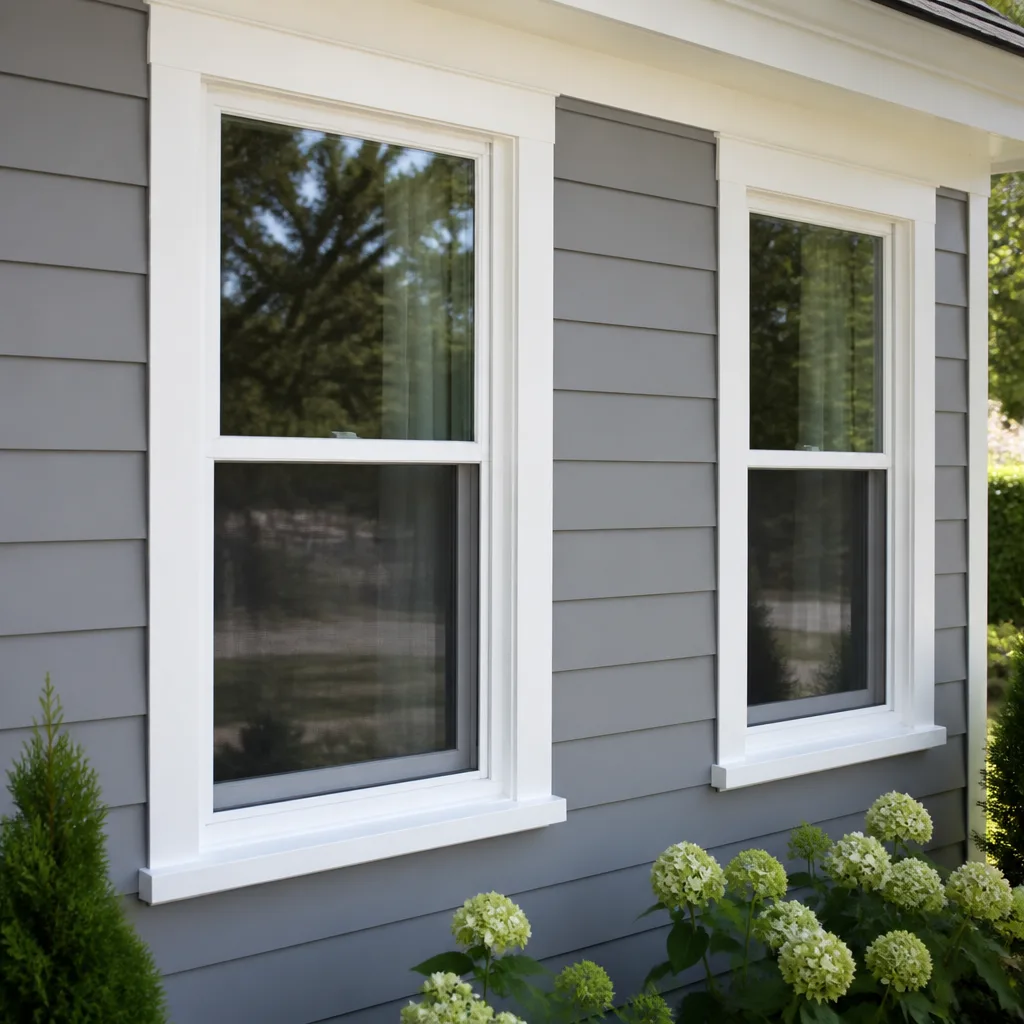
Double hung
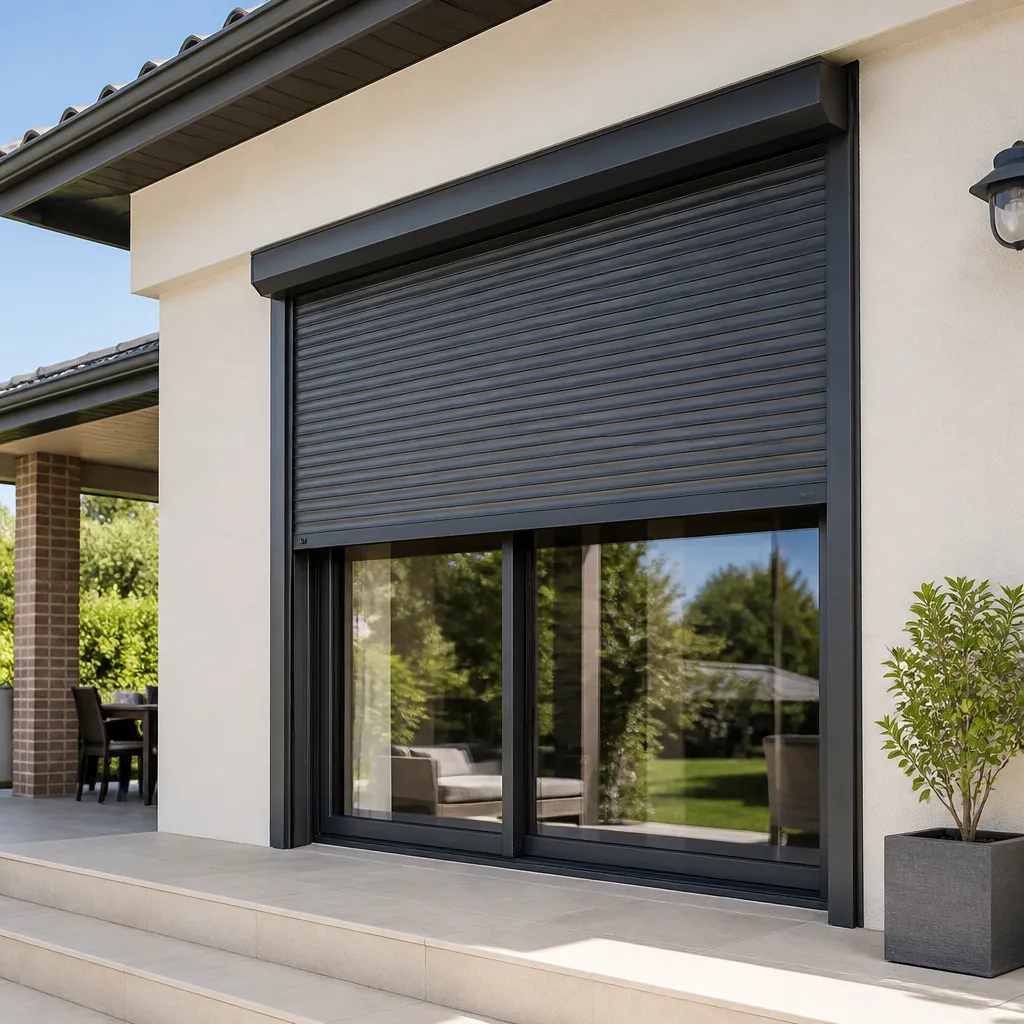
Casement
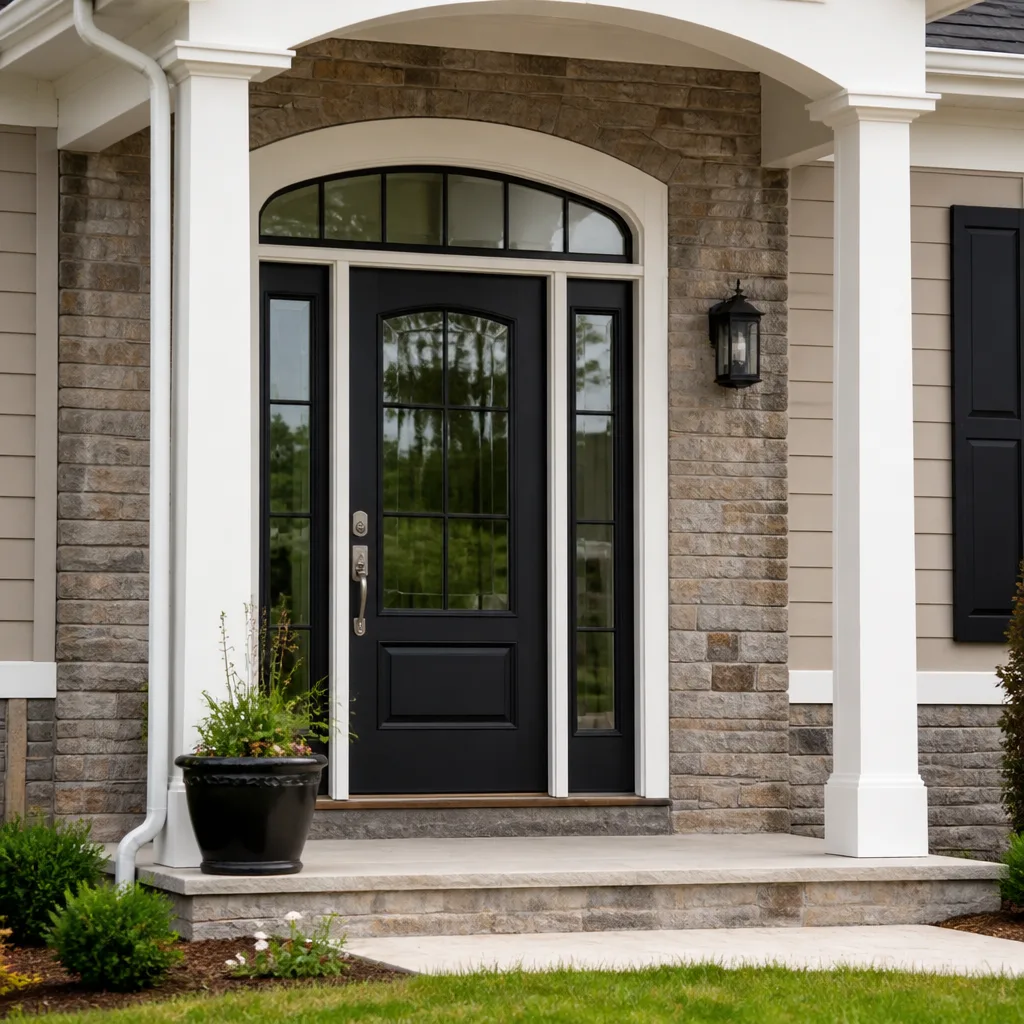
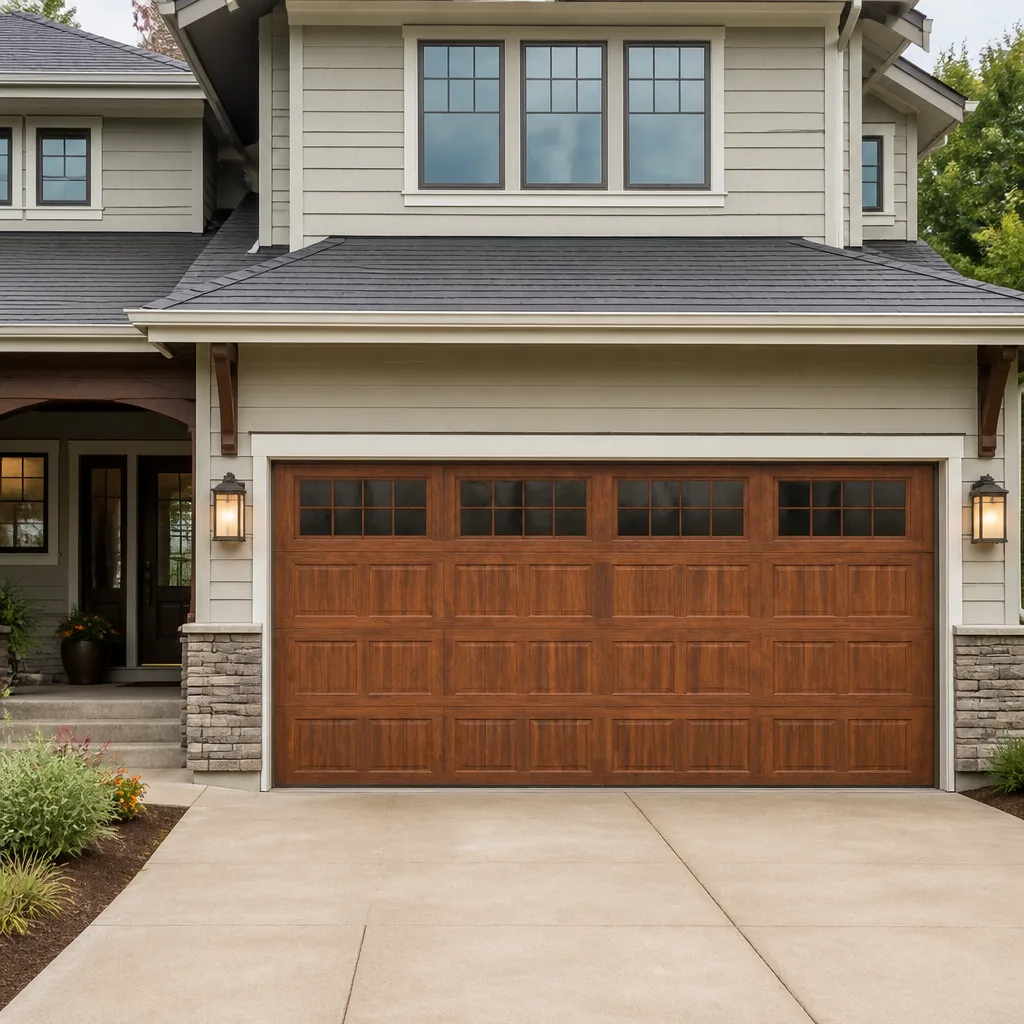
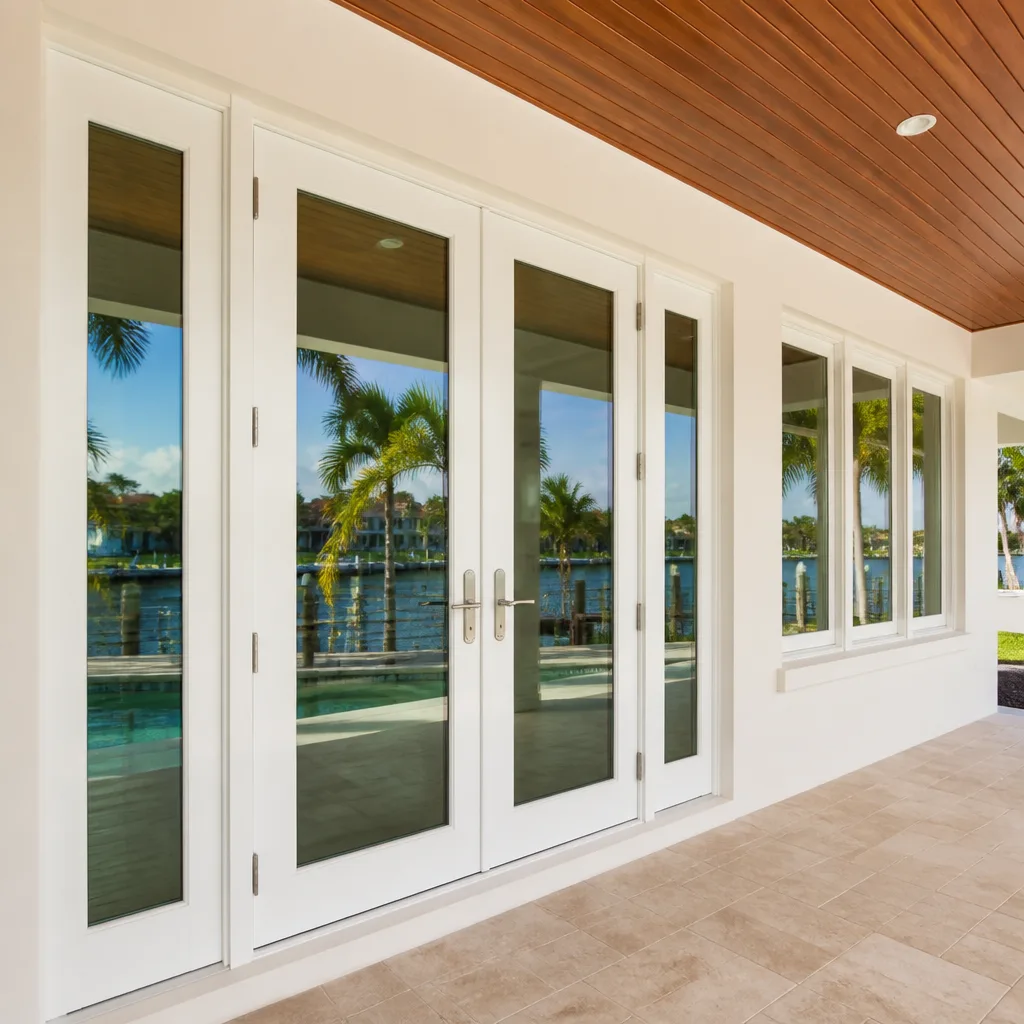
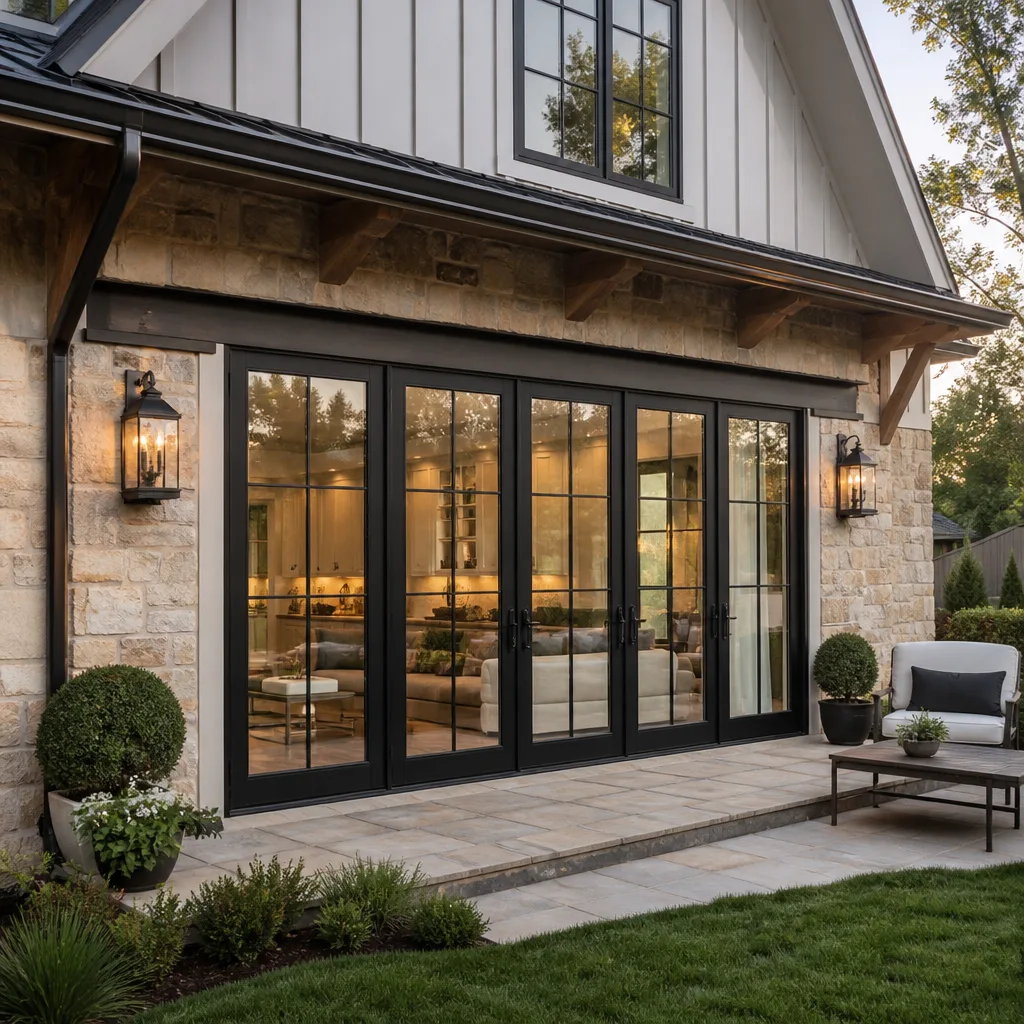
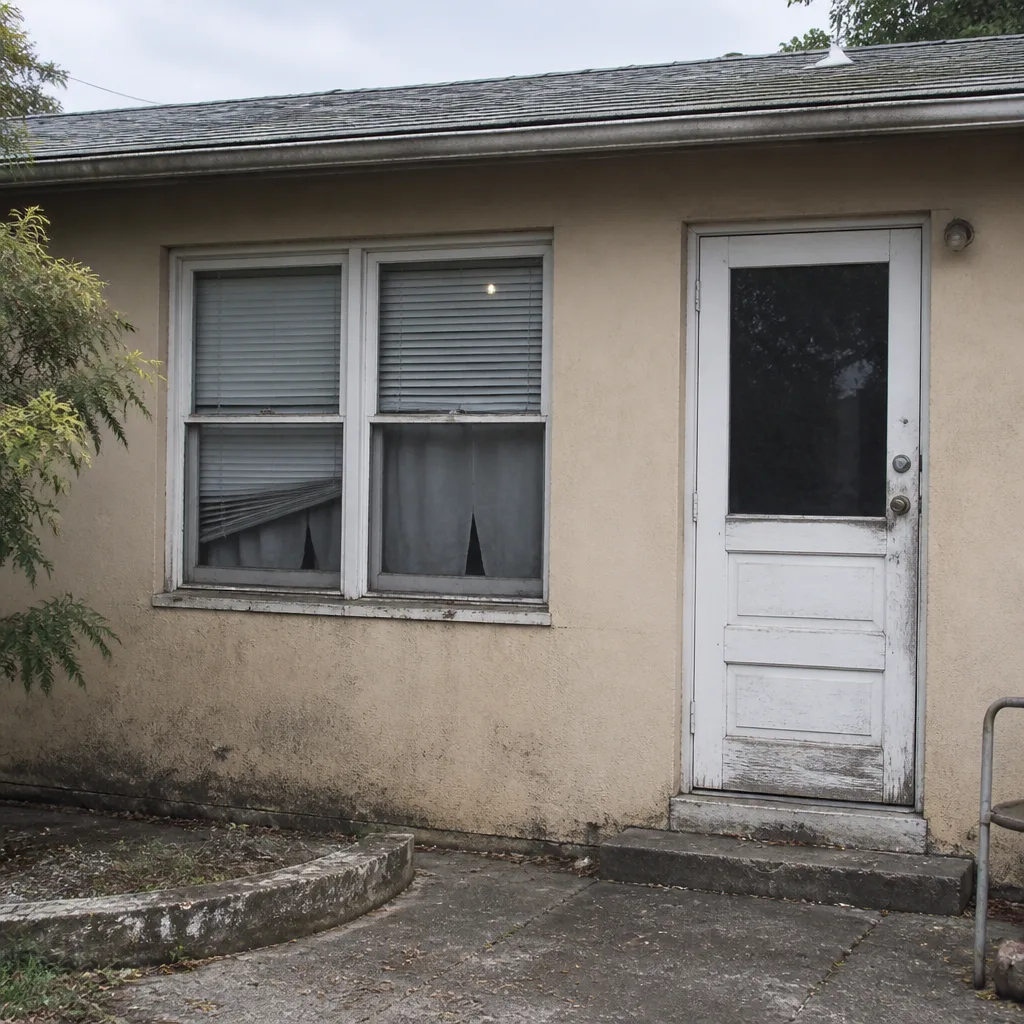 Before
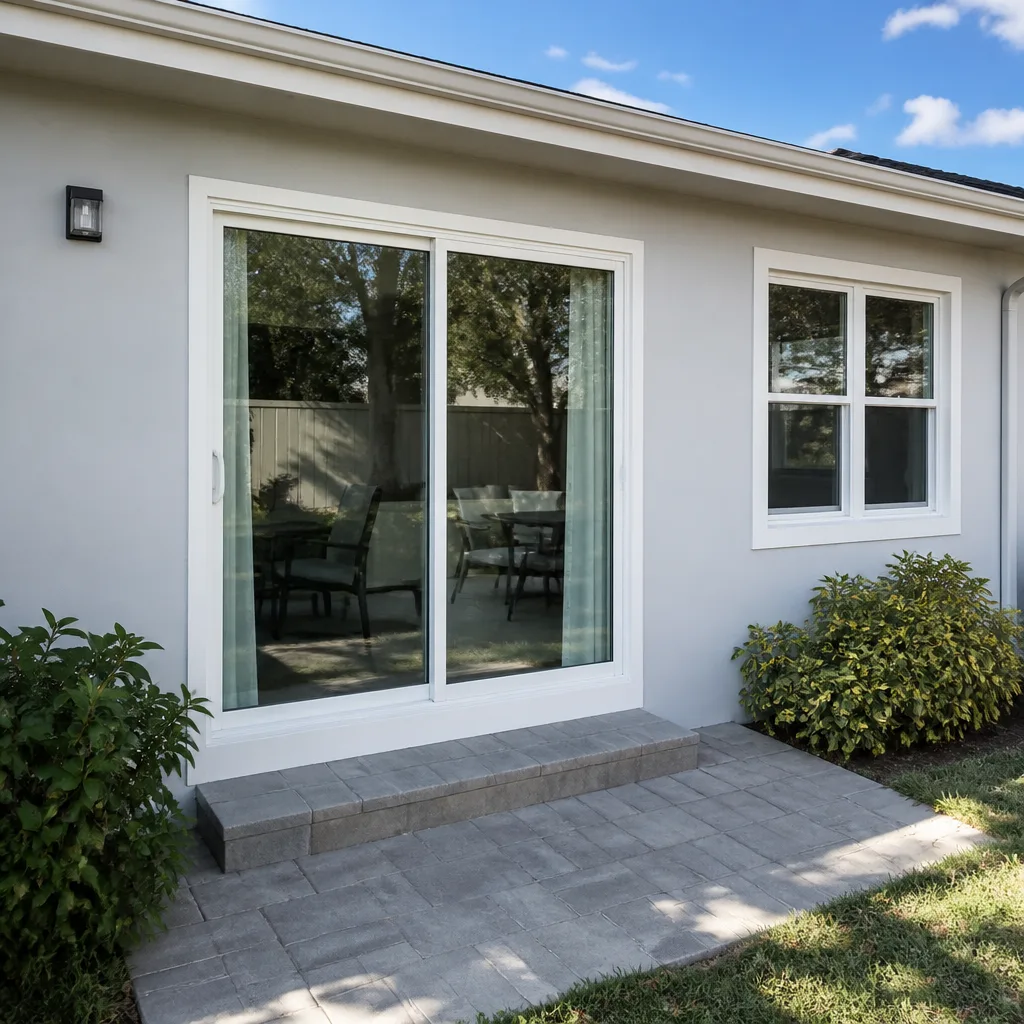 After
After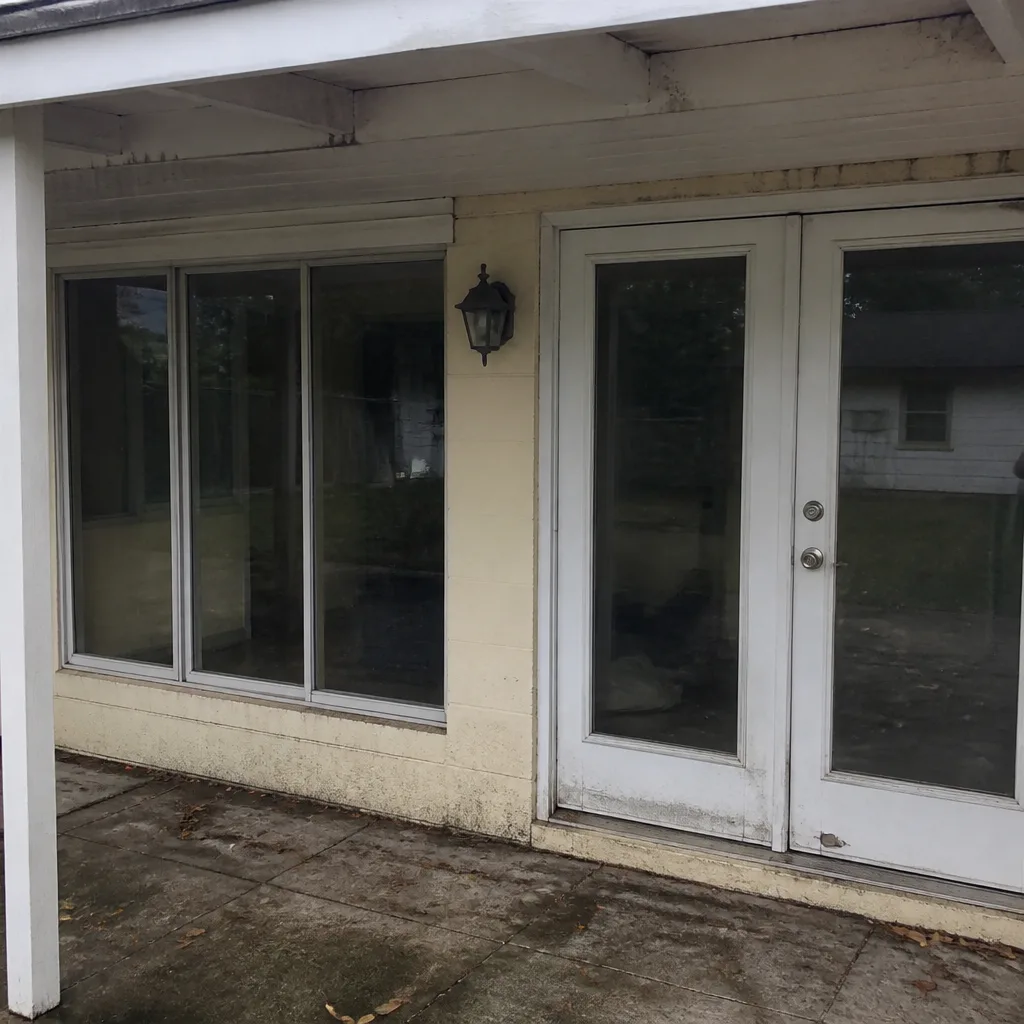 Before
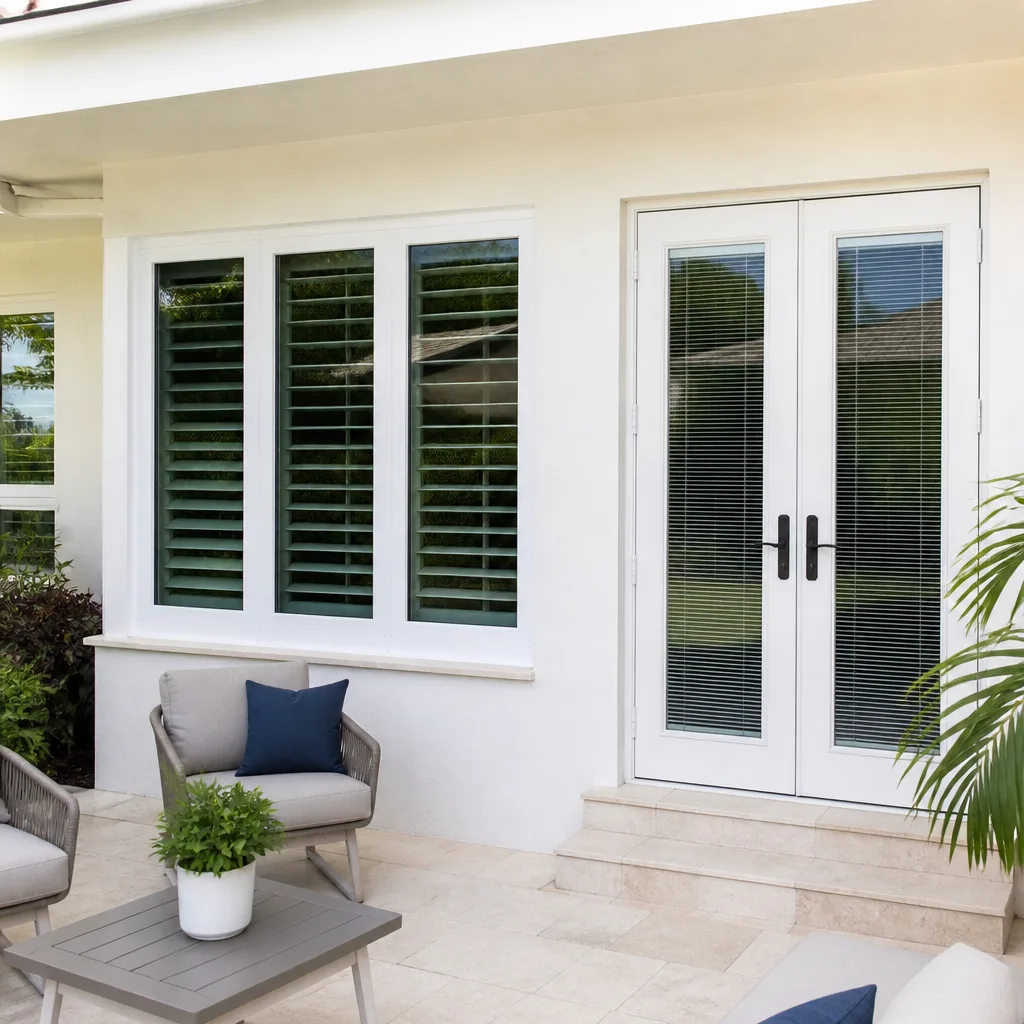 After
After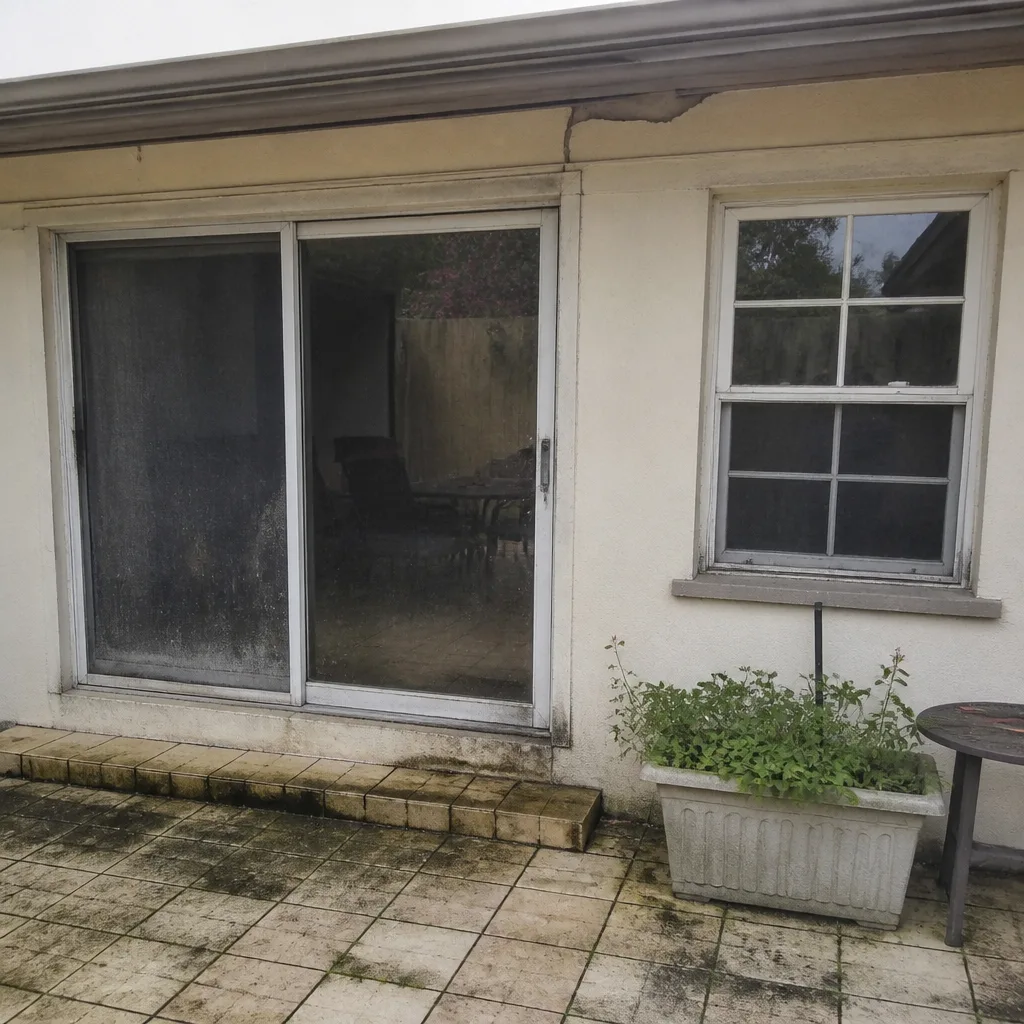 Before
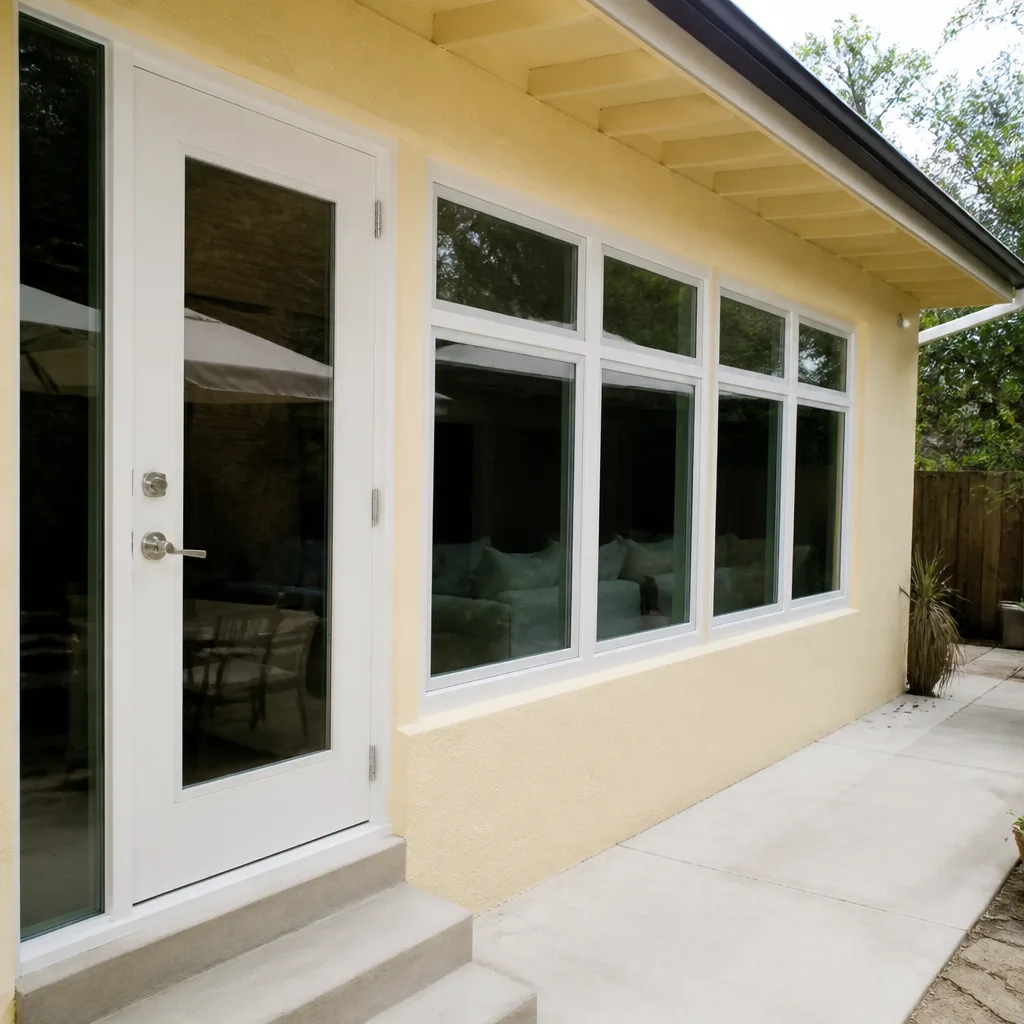 After
AfterDIY vs Professional Windows & Doors: The Westchester Homeowner’s Decision Guide
In Miami-Dade County, a homeowner can legally pull their own permit for impact window installation, but the moment the inspection fails for improper anchor spacing, the clock starts on a correction order that can freeze a home sale for months. Westchester homeowners who attempt door and window work without understanding HVHZ code requirements don’t just risk a botched job; they risk a property that becomes legally unsellable until remediation is complete. This guide walks through exactly what you can do yourself, what requires a licensed contractor in Westchester, what the warranty fine print actually says, and what a failed DIY install really costs once permit corrections and re-inspections are factored in.
Quick Answer
For weatherstripping, screen replacement, hardware lubrication, and interior lockset swaps, DIY makes sense for most Westchester homeowners. For any window or exterior door installation involving structural anchoring, impact-rated glass, or permitting, hire a licensed contractor because Miami-Dade’s HVHZ code and manufacturer warranty clauses make self-installation a legal and financial liability regardless of how handy you are. If you’re not sure where to start, read our guide on How to Hire a Windows & Doors Contractor in Westchester: A Step-by-Step Guide.
Table of Contents
- What You Can Legally Do Yourself in Westchester
- What Triggers a Licensed Contractor Requirement
- How HVHZ Installation Specs Differ From Manufacturer Instructions
- The Warranty Voiding Clause Most Homeowners Never Read
- The Realistic Cost of a Failed DIY Install in Miami-Dade
- The One Scenario Where DIY Makes Unambiguous Sense
- How to Hire the Right Contractor in Westchester
- Common Mistakes to Avoid
What You Can Legally Do Yourself in Westchester
Westchester sits inside one of the strictest building-code jurisdictions in the country, but not every window or door task triggers a permit. Several maintenance items fall squarely in the do-it-yourself category, and doing them yourself saves real money while keeping your home compliant. For ongoing upkeep tips, see our Impact Windows Maintenance Checklist for Westchester Homeowners.
Weatherstripping is the lowest-risk, highest-reward DIY window and door project. Westchester’s summer humidity and heavy afternoon storms wear out foam and felt seals faster than homeowners expect. If you can see daylight around a door edge or feel a draft near a window frame, replacing the weatherstrip is a $15 to $40 fix that requires no permit and no special tools. Foam tape, V-strip, and door sweeps are all readily available at any hardware store on Bird Road or Coral Way.
Screen replacement is another safe DIY task. Hurricane season damages screens regularly, and Westchester’s screened patios and pool enclosures are especially vulnerable to wind-blown debris. Replacing a torn screen with new mesh and spline takes under an hour per panel and costs under $25 in materials.
Hardware lubrication and tightening falls into the same category. Hinges on exterior doors, sliding glass door tracks, and window cranks all benefit from a silicone-based lubricant applied every six months. Loose screws on hinge plates, strike plates, and handles can be tightened without consequence. These small tasks extend the life of your windows and doors and prevent the kind of binding and wear that eventually requires replacement.
The bottom line: weatherstrip swaps, screen replacement, and hardware maintenance are legitimately DIY territory in Westchester. They require no permit, no inspection, and no specialized knowledge beyond basic hand-tool competence.
What Triggers a Licensed Contractor Requirement
The line between DIY and professional work in Westchester is drawn by Miami-Dade County code, not by your confidence level. Any window or exterior door installation that involves cutting into or replacing the rough opening, altering the structural frame, or anchoring impact-rated products into concrete block requires a permit, and most permits require work performed by a licensed contractor.
Specifically, the following projects require a licensed contractor in Westchester:
- Impact window installation or replacement: Miami-Dade’s High Velocity Hurricane Zone (HVHZ) code governs every impact window installed in Westchester. The product approval, the anchoring pattern, the sealant specification, and the inspection are all regulated. A homeowner can pull a permit, but the installation itself must meet HVHZ requirements that go far beyond the manufacturer’s generic instructions.
- Exterior door replacement, including sliding glass doors and French doors: Any door that provides a building-envelope penetration and is rated for impact or wind-load resistance falls under the same HVHZ umbrella.
- Any installation that modifies the structural opening: Enlarging a window opening, converting a window to a door, adding a new opening, or reframing an existing one all trigger structural review, engineering stamps, and licensed-trade involvement.
- Impact garage doors and their tracks: Garage-door spring systems are under extreme tension and represent a genuine safety hazard. In Westchester, impact-rated garage doors must also meet wind-load anchoring requirements that are not optional.
- Any work requiring a Notice of Acceptance (NOA): Miami-Dade product approvals for impact windows and doors carry an NOA number. Installing a product with an NOA incorrectly voids the approval, which means the installation can never pass inspection until it is corrected by someone who knows the NOA’s anchoring and sealant schedule.
We’ve seen homeowners in Westchester’s older neighborhoods, particularly the 1950s and 1960s block-construction homes east of the Palmetto Expressway, discover mid-project that their rough openings don’t match modern product dimensions. That discovery turns a “simple swap” into a structural modification, which immediately pulls the job out of DIY territory.
How HVHZ Installation Specs Differ From Manufacturer Instructions
This is the gap that catches most DIYers. The printed installation manual that ships with a PGT or CGI impact window is written for general markets, not for Miami-Dade’s High Velocity Hurricane Zone. Westchester requires installation to a stricter standard, and the difference shows up in three specific areas.
First, anchor depth and spacing. Generic manufacturer instructions may call for fasteners at 16 inches on center, but HVHZ code in Miami-Dade often requires spacing as tight as 6 inches along the header and sill, with specific embedment depths into the concrete block or wood buck. A DIYer who follows the manual, passes nothing, and the inspector’s correction order becomes a permanent record on the permit.
Second, sealant type and application. HVHZ installations specify particular sealant chemistries and application patterns to prevent water intrusion during a wind-driven rain event. The bead size, the backer-rod requirement, and the compatibility with the window flange are all codified. Use the wrong sealant and the window may hold during a storm but leak during the first heavy afternoon thunderstorm.
Third, shim and leveling tolerances. Miami-Dade inspectors check for squareness and plumb within tolerances tighter than the manufacturer’s published range. A window that’s out of square by an eighth of an inch may function for years but will fail inspection, require removal, and trigger a re-inspection fee.
In practice, the manufacturer’s manual is a starting point. The governing document in Westchester is the product’s Notice of Acceptance, which spells out exactly how that specific window must be anchored, sealed, and flashed. Most homeowners never see the NOA until after the inspection fails.
The Warranty Voiding Clause Most Homeowners Never Read
Impact window and door warranties are conditional documents, and the conditions are rarely discussed at the point of sale. The most consequential condition is the installation clause. PGT, CGI, ECO Window Systems, and Therma-Tru all include language stating that the product warranty is valid only when installation is performed by a licensed contractor.
What “licensed installer” means in the fine print is specific and enforceable. The warranty typically requires:
- Installation by a contractor holding a current state or county license appropriate to the trade
- Compliance with all local building codes and manufacturer installation instructions
- Passing the required building inspection where a permit is issued
- Documentation of the permit and inspection as proof of compliant installation
A homeowner who self-installs and later files a warranty claim for glass seal failure, frame warping, or hardware malfunction will find the claim denied. The manufacturer’s position is straightforward: they cannot warrant a product that was installed outside their specified conditions. The denial is not discretionary; it’s written into the warranty terms.
The financial exposure is real. Impact windows from elite brands represent thousands of dollars per opening. A warranty denial on a single failed unit can cost more than the professional installation would have cost in the first place. For a company like Mr-Glass with premium aluminum lines or ECO Window Systems with their high-performance glazing, the warranty is part of what you’re paying for when you buy the product.
The Realistic Cost of a Failed DIY Install in Miami-Dade
Let’s put numbers on a failed DIY scenario in Westchester, because the costs are rarely discussed upfront. The logic usually goes: I’ll save the labor, which is maybe $150 to $300 per opening, and do it myself. But the failure math looks different.
Here’s what a typical failed DIY impact window install costs in Miami-Dade:
- Permit correction fee: $150 to $400, depending on the municipality and the number of corrections noted. Westchester is unincorporated Miami-Dade County, which handles permits through the county’s building department, and correction cycles are not free.
- Re-inspection fee: $100 to $250 per re-inspection. A single failed inspection almost always triggers a second, and the clock between inspections is measured in weeks, not days.
- Contractor remediation: Removing and reinstalling an improperly anchored window can cost more than the original installation would have, because the contractor is now fixing someone else’s work, and the removal may damage the opening or the window itself. Expect $300 to $800 per opening in remediation labor.
- Potential product replacement: If the window was damaged during the failed DIY attempt, or if the incorrect sealant compromised the frame, the window may need to be replaced entirely. That’s a $600 to $1,500 product cost per unit, plus disposal fees.
- Time cost: Correction orders on a permitted job can take 30 to 90 days to resolve in Miami-Dade’s inspection backlog. If you’re selling the home, that period is dead time. Real estate contracts in Westchester typically require a clean, closed permit before closing, so a correction order can freeze a sale indefinitely.
The total cost of a failed DIY install frequently lands between $1,000 and $3,000 per opening once all the correction fees, re-inspections, and remediation labor are counted. The original professional quote, by comparison, is often in the $300 to $800 labor range per opening. The savings evaporate on the first failed inspection.
For a broader look at what professional installation involves, see our Window Installation in Westchester guide, which covers the full process from measurement to final inspection.
The One Scenario Where DIY Makes Unambiguous Sense
Interior door hardware and lockset swaps are the exception to this guide’s caution. These projects don’t touch the building envelope, don’t require a permit in Miami-Dade, don’t affect any manufacturer warranty on impact products, and are genuinely achievable by any homeowner with a screwdriver, a tape measure, and 45 minutes of patience.
Here’s the straight-talking guide to doing an interior lockset swap correctly:
- Match the backset. The backset is the distance from the door edge to the center of the knob or lever hole. Most modern interior doors in Westchester homes use a 2-3/8-inch backset, but some older homes have 2-3/4-inch backsets. Measure before you buy; the wrong backset means the latch won’t engage and you’ll be drilling a new hole.
- Choose the right handing. Doors swing either left or right. Stand on the outside of the door as you’d approach it. If the hinges are on your left, it’s a left-handed door. Buy a lockset that matches or is reversible, which most modern sets are.
- Remove the old hardware in order. Take off the interior knob or lever first by removing the set screw or the faceplate screws, then slide the two halves apart. Remove the latch plate screws, then pull the latch out of the door edge. Remove the strike plate from the door jamb only if you’re replacing it with a matching plate.
- Install the new latch first. Slide the new latch into the edge bore with the beveled side facing the direction the door closes. Screw it in snugly but not over-tightened, which can warp the latch body.
- Install the new knob or lever halves. Align the two halves through the cross-bore, connect the spindle, and tighten the through-bolts. Test the action before fully tightening: the knob should turn smoothly and the latch should retract fully.
- Adjust the strike plate if needed. If the latch doesn’t catch cleanly, loosen the strike plate screws and shift the plate slightly up, down, in, or out. A small adjustment usually resolves the issue.
This is honest DIY territory. The total cost is $20 to $60 for a decent interior lockset, and the failure risk is essentially zero. Ed Winslow has been saying this since 2011: if you can read a tape measure and turn a screwdriver, interior hardware swaps are yours to do. Save the envelope work for people who do it every day.
How to Hire the Right Contractor in Westchester
If you’ve made the decision to hire a professional, the next question is who. Westchester has no shortage of contractors, but the range of quality, responsiveness, and accountability is wide. Here’s what to look for specifically in the Westchester market, and you can explore more guides & resources on our blog.
Look for a published address in Miami-Dade County, not a P.O. box or an out-of-state mailing address. Look for a license number that you can verify through the Florida Department of Business and Professional Regulation or the Miami-Dade County contractor licensing board. Look for the specific product approvals: an authorized installer for the brand you’re buying carries weight, because the manufacturer has vetted the contractor’s installation competence.
Ask about the permit process before signing anything. A contractor who hesitates on permits or offers to skip them is signaling that they’re comfortable operating illegally, and an unpermitted window or door replacement in Westchester creates the same resale liability as a DIY failure. Every legitimate window and door replacement in Miami-Dade should carry a permit and final inspection.
Ask about the correction policy. Every contractor occasionally faces a failed inspection. What matters is what happens next. Does the contractor cover the correction and re-inspection fees? Is that written into the contract? Ed Winslow’s name is on the door and on every job we do, and the Winslow Windows & Doors home page spells out exactly how we handle correction costs if an inspection ever comes back with notes.
Finally, ask about warranty coverage on the installation itself. The manufacturer warranties the product if installation conditions are met. But the installation workmanship should also be covered by the contractor. Our Done Right Promise is a lasting standard: if it’s not done right, we make it right. No expiration date, no fine print, no ticket number. You call, Ed’s team answers, and the correction happens.
Common Mistakes to Avoid
- Skipping the permit on an impact window swap. Unpermitted impact-window work in Westchester becomes a title defect when you sell. Buyers’ inspectors look for missing permits, and lenders often refuse to finance homes with open code violations. The permit is cheap relative to the resale risk.
- Following the manufacturer manual instead of the NOA. The manual is generic marketing documentation; the Notice of Acceptance is the legal installation specification in Miami-Dade. They are not the same document, and the difference is measured in anchor spacing and sealant bead size.
- Using the wrong sealant. Silicone from the hardware store is not necessarily the sealant specified in the NOA. The wrong sealant fails under wind-driven rain and voids the warranty. This is one of the most common inspection failures we see on DIY attempts in Westchester.
- Assuming home insurance covers DIY installation failures. Most Florida homeowners’ policies exclude damage caused by faulty workmanship. If a DIY window install leaks and causes wall or floor damage, the repair is on you. A licensed contractor’s workmanship warranty and liability coverage change that equation.
- Underestimating the weight. Impact windows are heavy. A single mulled unit can weigh 200 pounds or more. Most DIY injuries and product drops happen during the lifting and setting phase, not during the anchoring phase. The hospital bill and the replacement product cost together often exceed the professional installation quote.
- Mixing product brands without checking compatibility. Not every impact door frame accepts every impact window mullion. Mixing an ECO Window Systems fixed panel with a Mr-Glass slider without verifying the mullion pack can leave you with a structurally inadequate assembly that no inspector will pass.
- Ignoring the condition of the rough opening. Westchester’s older concrete-block homes often have rough openings that have shifted, cracked, or been previously modified. A DIYer who doesn’t recognize a compromised header or a cracked buck will install a window into a frame that cannot support the wind load, and the failure won’t show up until the next storm.
When to Call a Professional
Call a professional for any project that involves impact-rated products, exterior doors, structural changes to the opening, or work that requires a Miami-Dade permit. Call a professional if you’re replacing any window or door in Westchester that is part of the building envelope, because the HVHZ requirements apply whether the product is impact-rated or not. Call a professional if you’re not certain whether your project requires a permit, because the cost of finding out the hard way is measured in correction fees and resale delays. Call a professional if your home was built before 2002 and you’re unsure whether the rough opening is code-compliant for modern products, because many older Westchester homes need buck replacement or opening modification before installation can proceed. Winslow Windows & Doors offers free estimates in Westchester, call (850) 721-1218.
Frequently Asked Questions
Yes, Miami-Dade County allows homeowners to pull a permit for their own impact window installation, but the installation must still meet all HVHZ code requirements, pass inspection, and comply with the product’s Notice of Acceptance. Most self-installations fail inspection on anchor spacing or sealant specification, at which point the correction costs eliminate any savings. Call (850) 721-1218 for a professional estimate.
The typical labor savings on a DIY impact window install is $150 to $300 per opening, but a single failed inspection adds $250 to $650 in permit correction and re-inspection fees, and contractor remediation typically runs $300 to $800 per opening. The realistic outcome for most DIY attempts is a net loss. Call (850) 721-1218 for a free quote on professional installation in Westchester.
Yes, most impact window manufacturers, including PGT, CGI, ECO Window Systems, and Mr-Glass, include a clause in their warranty requiring installation by a licensed contractor. Self-installation voids the product warranty even if the installation passes inspection, because the installation condition was violated. The warranty is part of what you’re paying for when you buy premium impact products.
The High Velocity Hurricane Zone is the building-code designation that applies to all of Miami-Dade County, including Westchester, and it sets stricter requirements for impact-window anchoring, sealant, and inspection than the manufacturer’s general instructions. Installing to generic standards instead of HVHZ standards is the most common reason DIY window installs fail inspection. Professional installers are familiar with the specific NOA requirements for every product they install.
Replacing a sliding glass door in Westchester is not a DIY task. Sliding glass doors are building-envelope penetrations subject to HVHZ wind-load requirements, they require a permit, and their size and weight make them dangerous to handle without the right equipment and experience. The permit and inspection requirements alone put this outside legitimate DIY territory.
Interior door hardware swaps like locksets and hinges require no permit and no contractor. Exterior door replacement, including the frame, thresholds, and weather sealing, is a building-envelope change that requires a permit in Miami-Dade and must meet HVHZ anchoring and sealant standards. Interior hardware is DIY-appropriate; exterior doors are not. Call (850) 721-1218 for a free estimate on exterior door work in Westchester.
The Bottom Line
DIY versus professional window and door work in Westchester comes down to code, warranty, and consequences, not skill level. Weatherstripping, screens, hardware lubrication, and interior locksets are legitimately yours to do. Impact windows, exterior doors, and any work touching the building envelope are not, because Miami-Dade’s HVHZ standards, the product’s Notice of Acceptance, and the manufacturer’s warranty conditions combine to make self-installation a bad bet for most homeowners. The savings are small, the failure costs are large, and the correction process is slow. When the project touches the envelope, hire a licensed contractor. When the project is inside the house, grab your screwdriver. For Impact Windows in Westchester or Window Replacement in Westchester, call (850) 721-1218 and Ed Winslow’s team will give you an honest, free estimate, no trip charge, and the Done Right Promise standing behind every opening.
Written by Ed Winslow, Owner at Winslow Windows & Doors, serving Westchester since 2011.
Six Reasons Homeowners Choose Winslow Windows & Doors
Impact systems engineered to design pressures up to +/-100, matched to your wind zone - your openings hold when the storm arrives.
Low-E insulated impact glass from our manufacturer lines commonly cuts monthly cooling bills 20-30%.
Laminated impact glass shuts out up to 40% of outside noise - traffic, neighbors, weather.
Monitoring services run $30-90 a month. Laminated impact glass resists forced entry around the clock, with no subscription.
Florida homeowners average around 25% savings on the windstorm portion of their policy after protecting every opening - some homes qualify for more.
A full impact package upgrades curb appeal, buyer confidence and appraised value in one project.