
Last updated August 27, 2026
Free in-home measure and quote - PGT, CGI and CWS impact lines compared on your actual openings, style by style
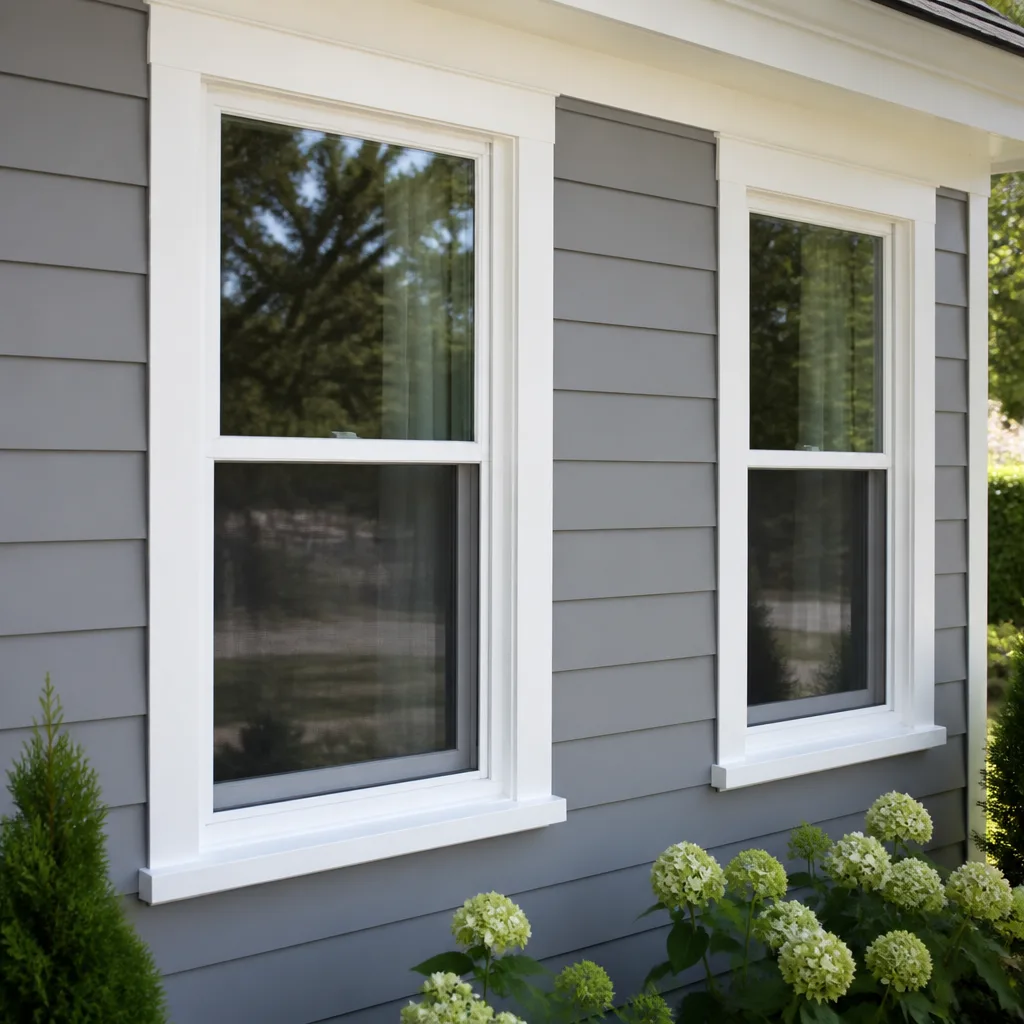
Double hung
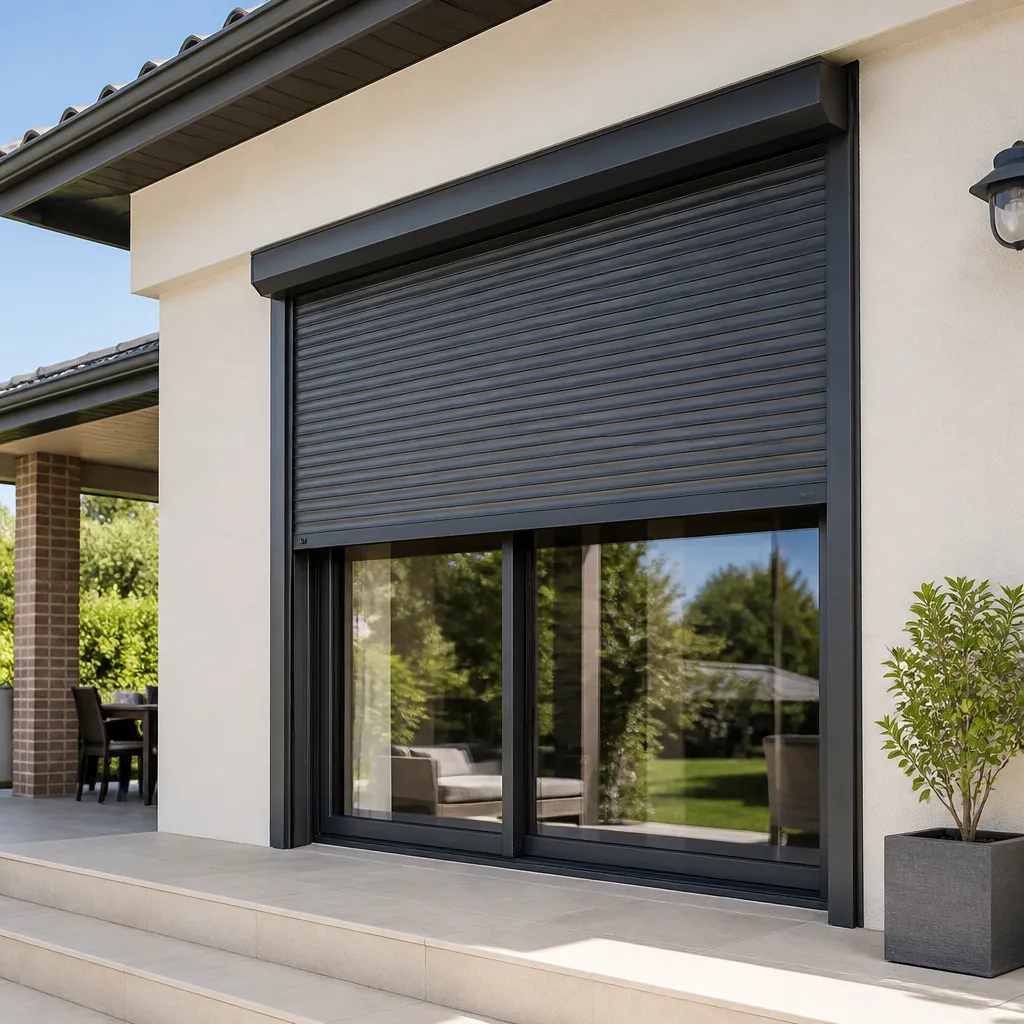
Casement
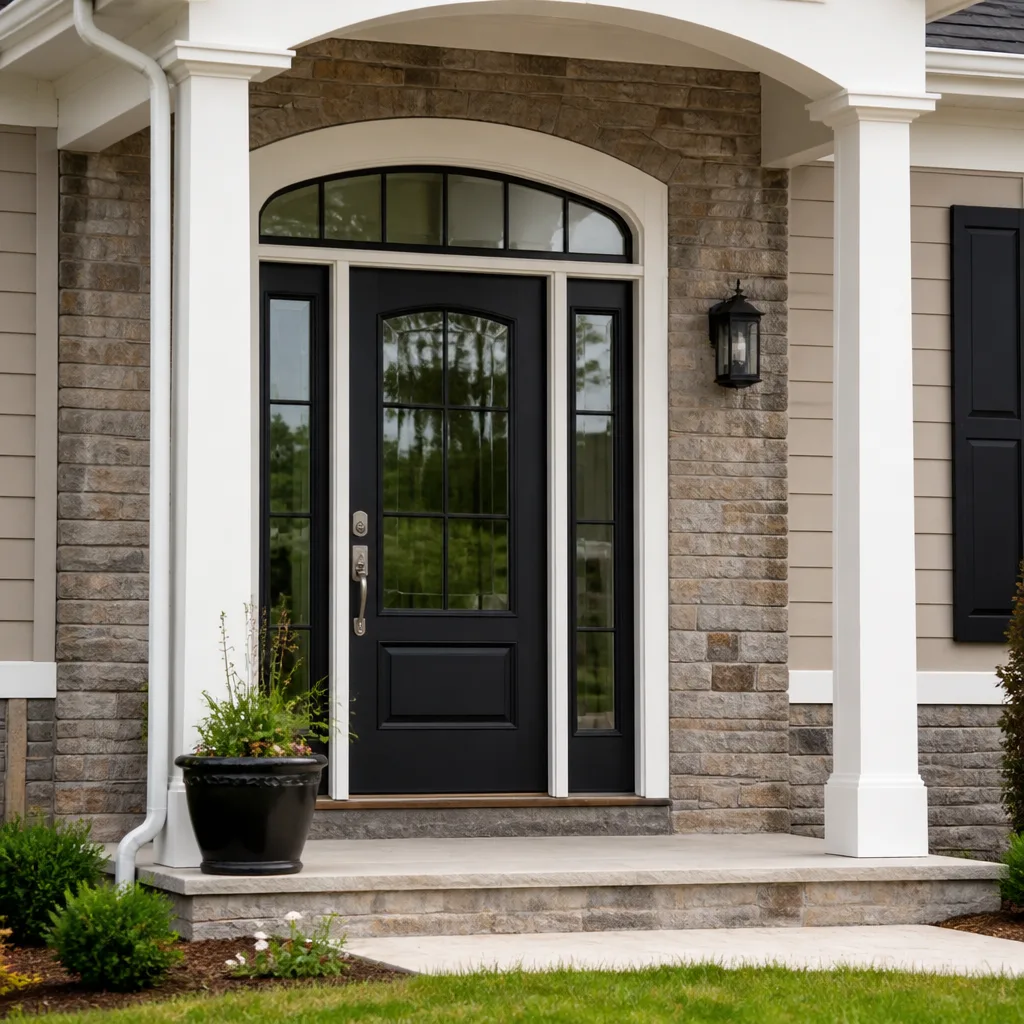
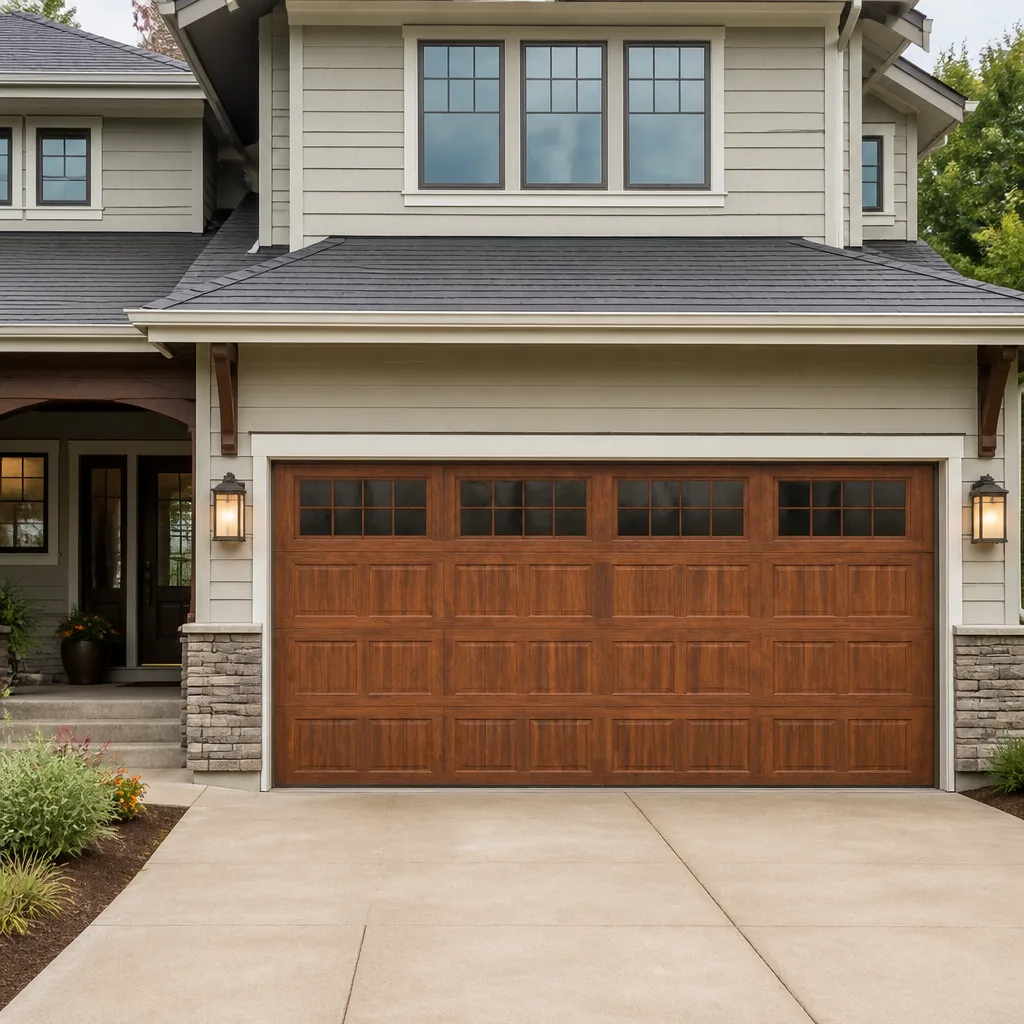
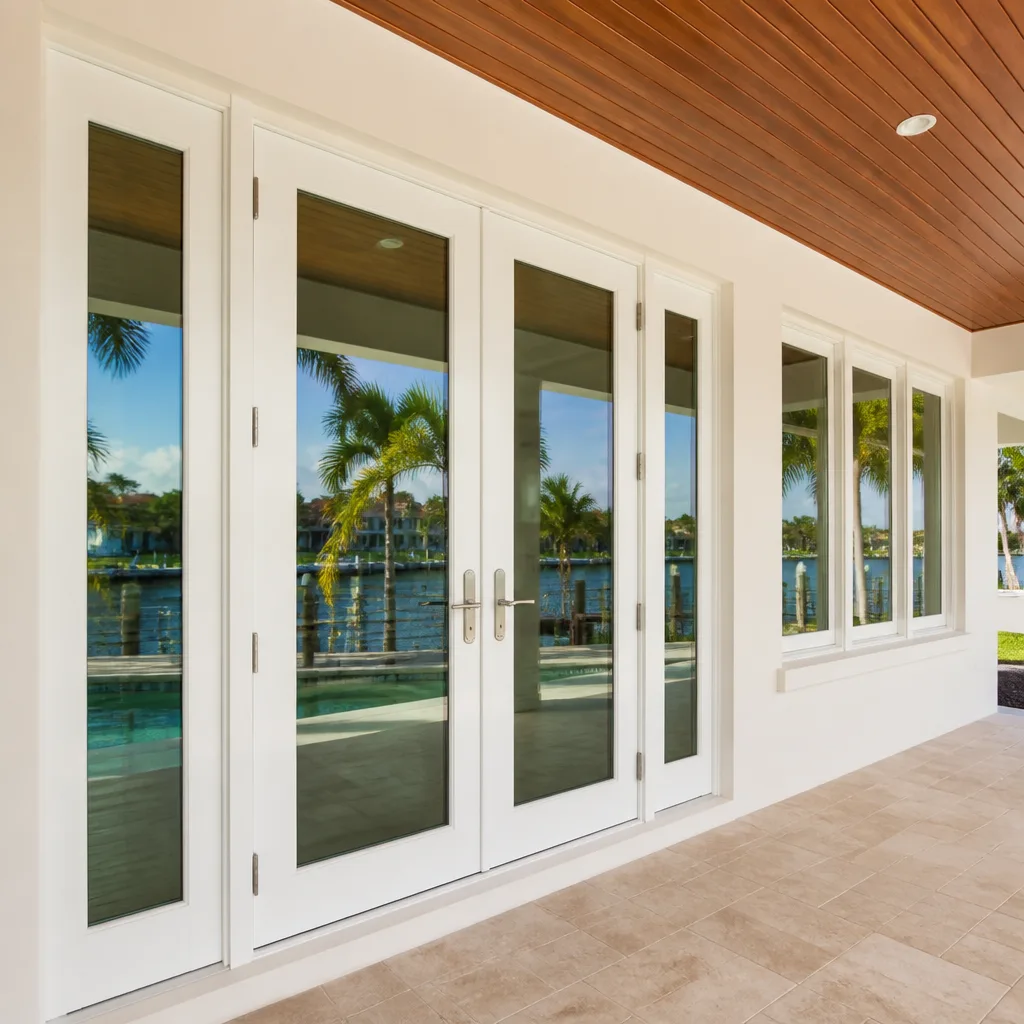
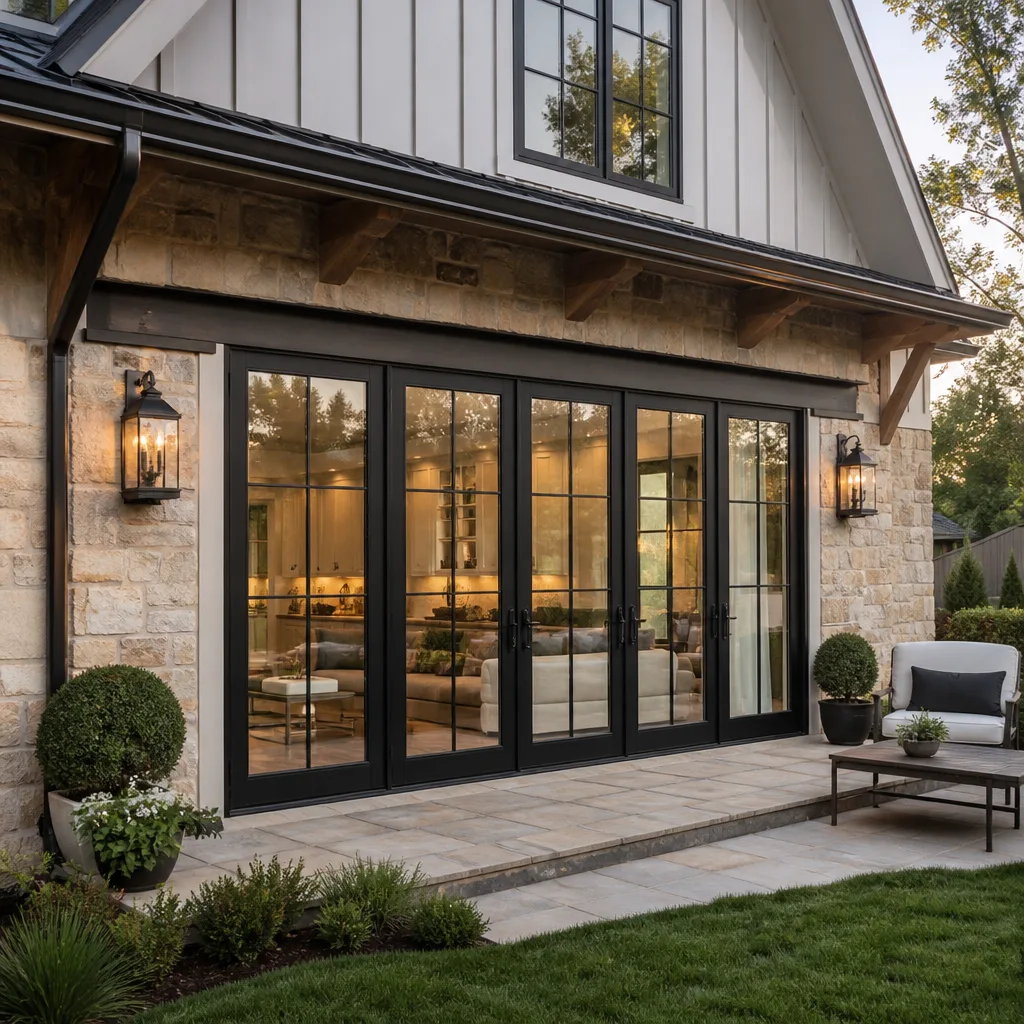
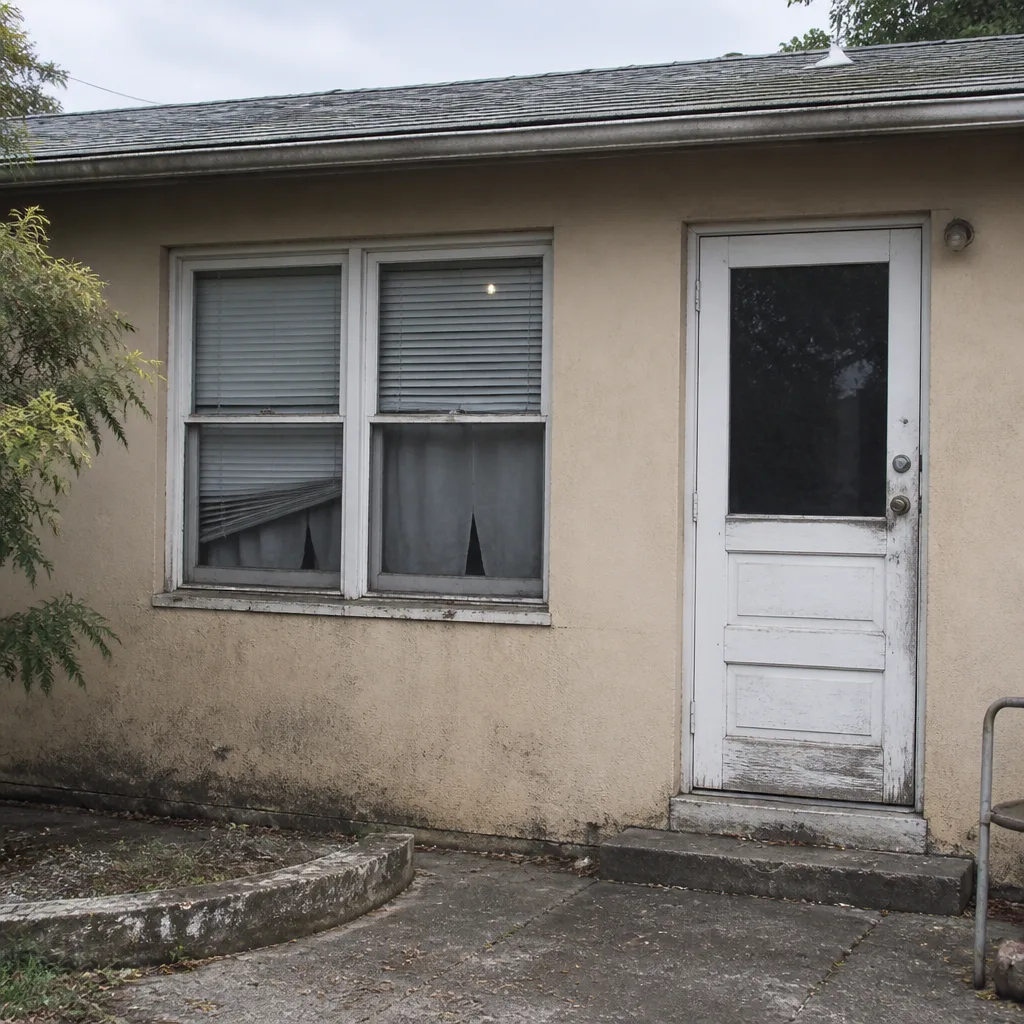 Before
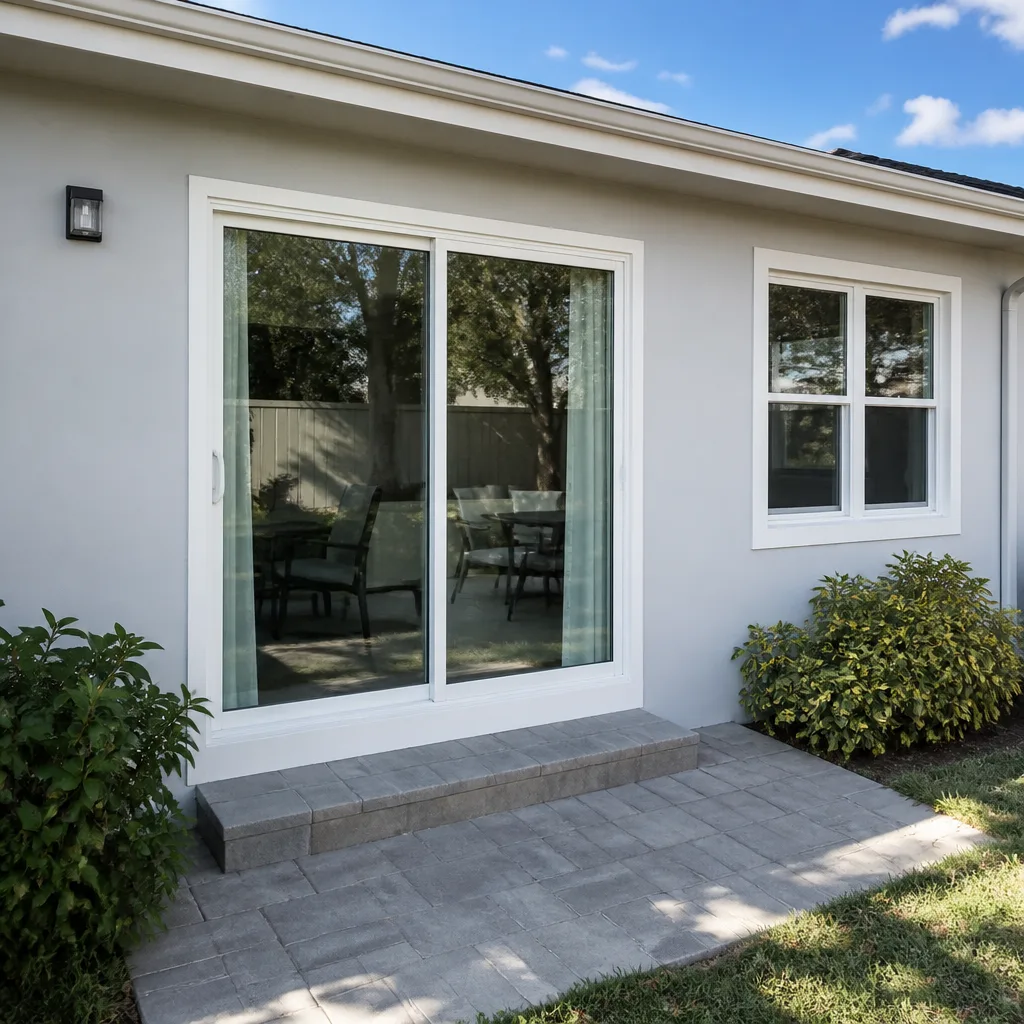 After
After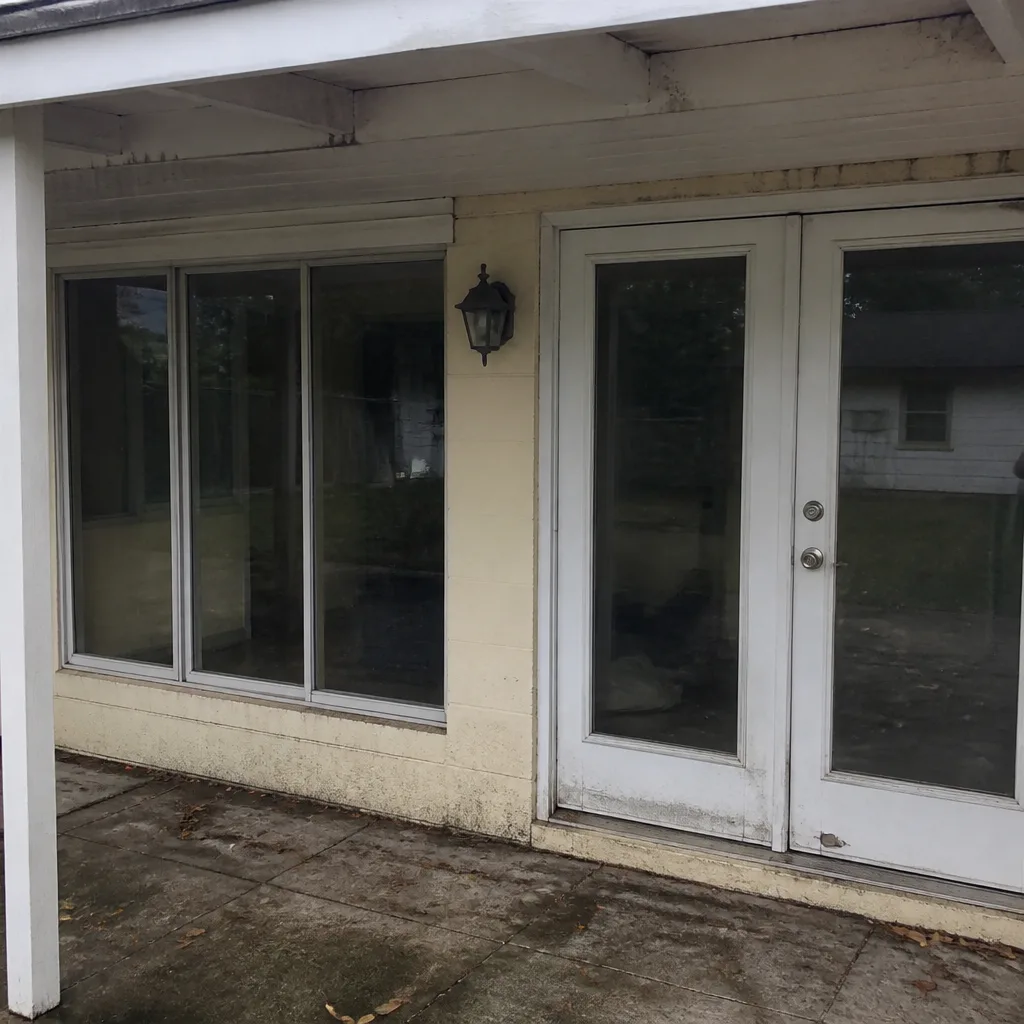 Before
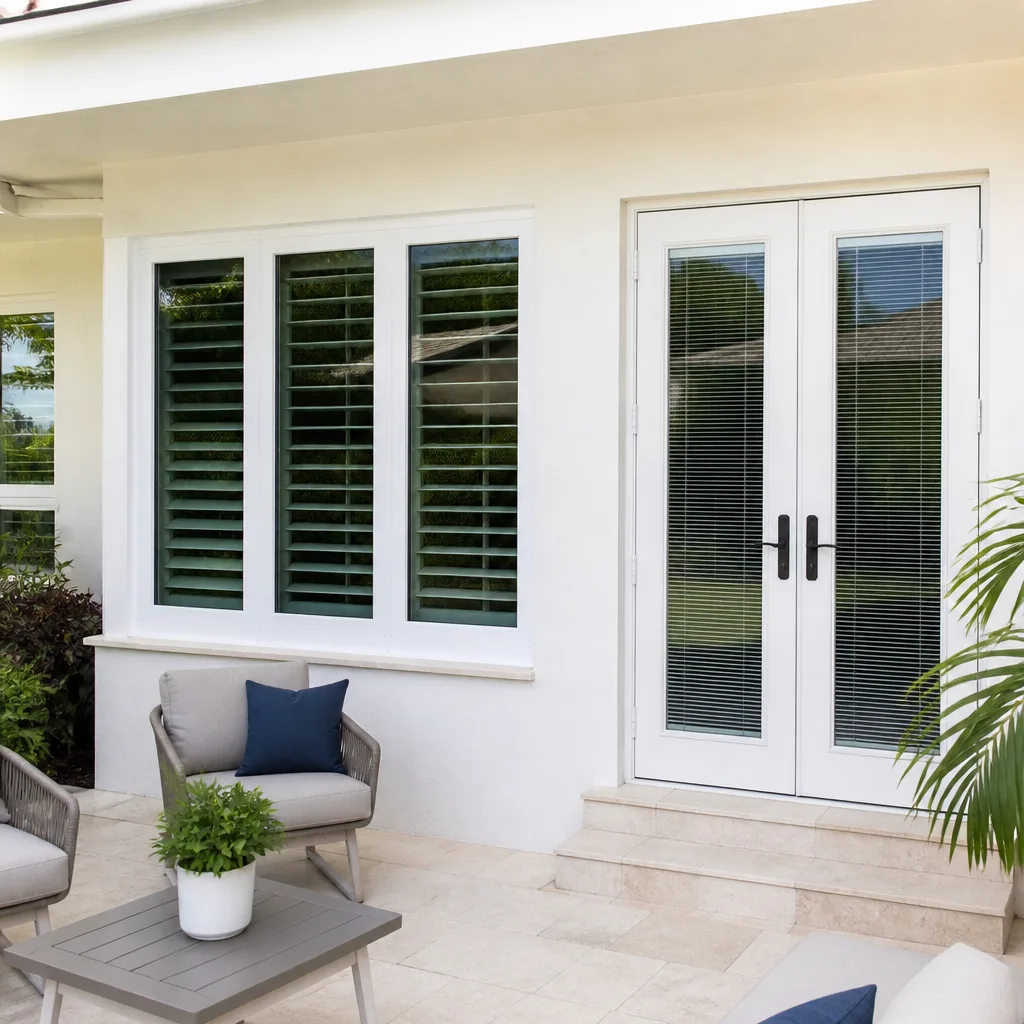 After
After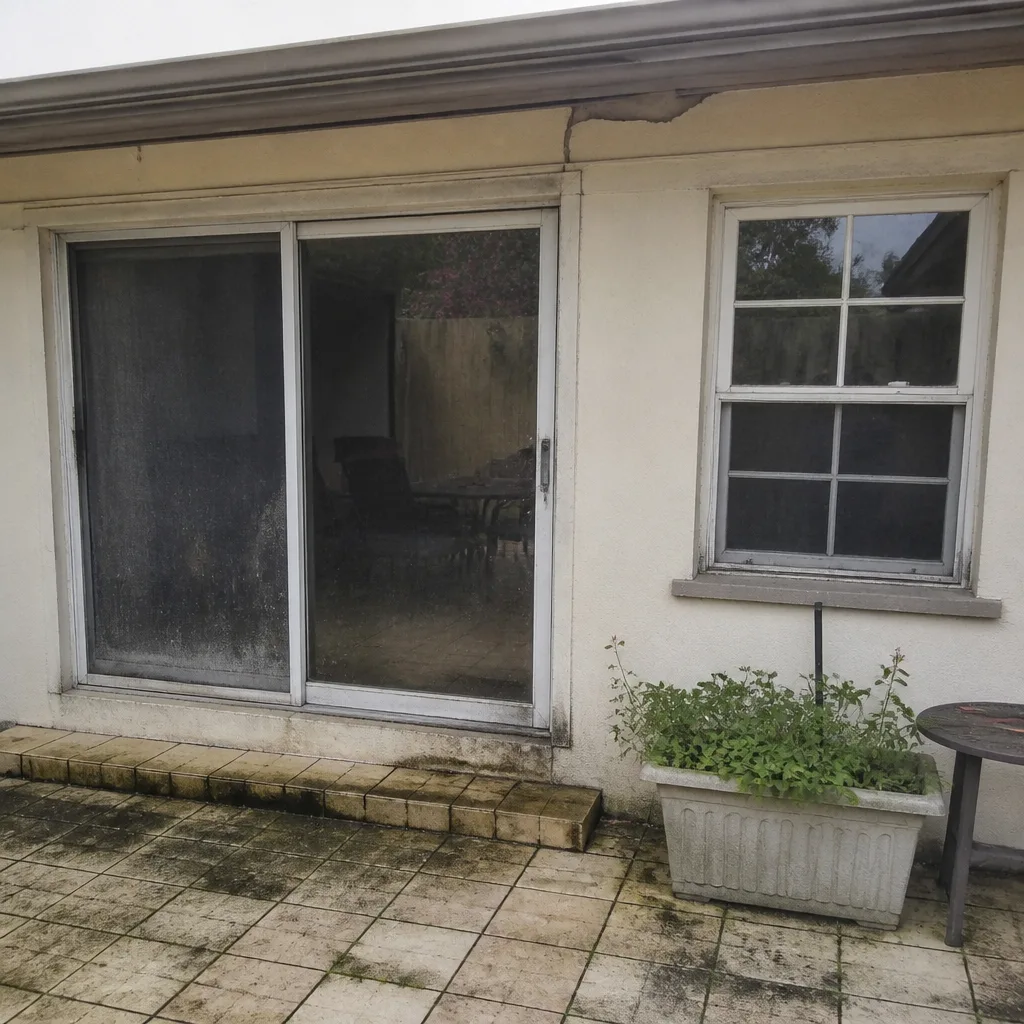 Before
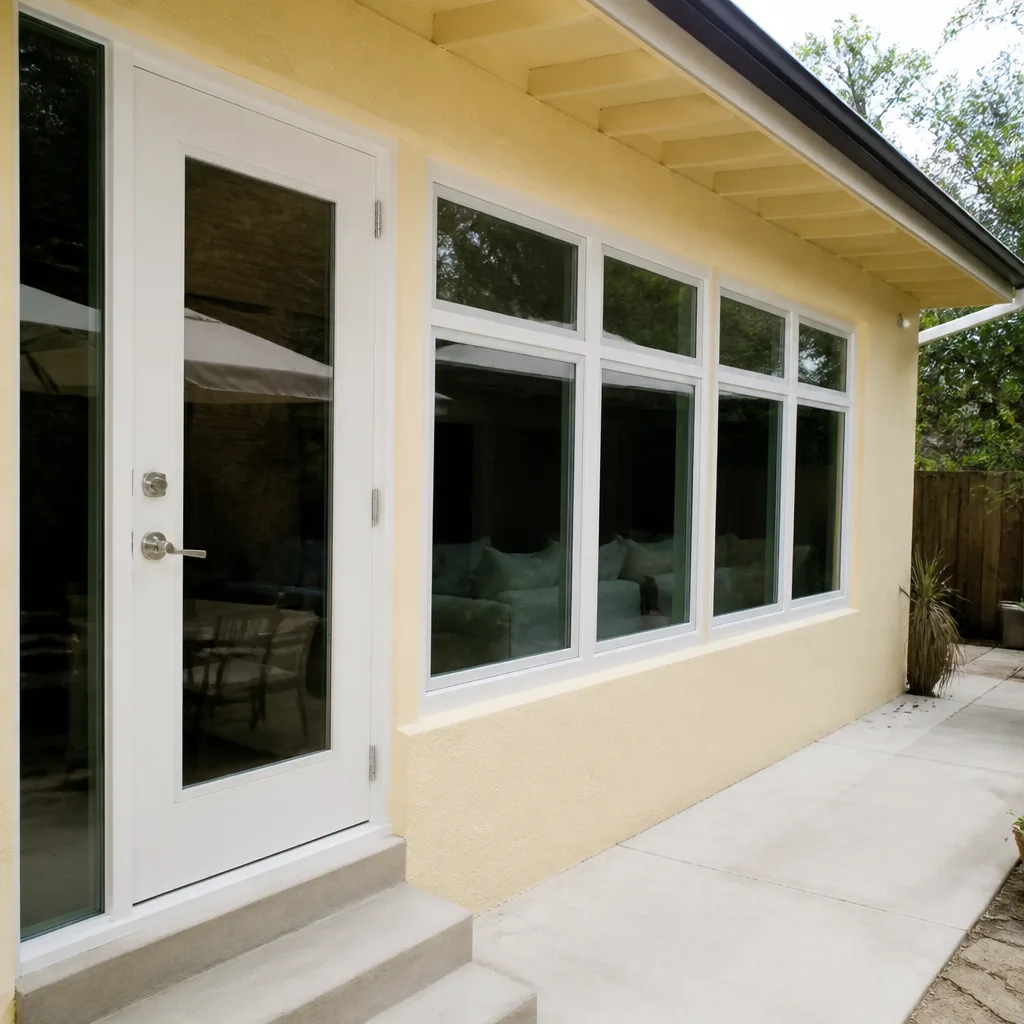 After
AfterWindows & Doors Warning Signs: A Westchester Homeowner’s Reference Guide
Most Westchester homeowners don’t replace windows and doors because they want to. They replace them because something forced the decision: a door that won’t latch, a window that fogs between the panes, an FPL bill that climbed 40 percent in two years with no new appliances. Here’s the part nobody tells you: the failure was visible months earlier, hiding in plain sight. Coastal South Florida conditions (salt air, UV index that averages 6-8 year-round, humidity that never really drops below 70 percent) create warning signs that national guides simply don’t cover. By the time you finish this guide, you’ll know which signs are cosmetic, which are structural, and which ones mean you should pick up the phone before a $600 repair becomes an $11,000 replacement.
Quick Answer
In Westchester, the warning signs that demand immediate attention are: sticking doors that persist beyond summer months (indicating frame movement, not just thermal expansion), condensation that appears between the panes of impact glass (a failed seal, not interior humidity), chalky white residue that crumbles when touched (salt-air corrosion on aluminum frames), and any delamination bubbling on fiberglass door skins. If you notice any of these, get a professional assessment within 30 days. Most issues are repairable when caught early. Ignored, they cascade into structural damage.
Table of Contents
- The Sticking Door: Thermal Expansion vs. Structural Settlement
- Four Condensation Patterns on Impact Glass (And What Each One Means)
- Salt-Air Corrosion on Aluminum Frames: When Surface Oxidation Turns Dangerous
- The FPL Bill Warning: Weatherstripping Failure You Can’t Feel Yet
- Therma-Tru Fiberglass Doors in South Florida UV: Delamination, Fade, and Swelling
- Window Rotation Schedule: What to Inspect and When
- What Your Home Insurance Inspector Looks For (And Why It Matters in Westchester)
- Common Mistakes to Avoid
- When to Call a Professional
- Frequently Asked Questions
The Sticking Door: Thermal Expansion vs. Structural Settlement
A door that sticks in August is the single most common call we get from Westchester homeowners, and it’s also the most frequently misdiagnosed. Here’s what’s actually happening. Wood, fiberglass, and even metal doors expand when temperatures climb. In August, when the heat index in Westchester pushes past 105°F and the humidity sits near 80 percent, that expansion is real and measurable. A door that sticks only in July and August, and only by a fraction of an inch at the top corner, is almost always thermal expansion. That’s normal.
But a door that sticks in February, when highs sit in the mid-70s? That’s not weather. That’s your frame moving. And in Westchester, where we have a mix of 1950s slab-on-grade homes (especially in the neighborhoods south of Bird Road) and newer construction on fill soil, frame movement has a clear pattern. Slab settlement happens when the soil beneath the slab shifts after heavy rain seasons. What you’ll notice is a door that sticks at the top latch-side corner in any weather, or one that suddenly swings open on its own when unlatched. That second sign, a door that won’t stay put, means the frame is out of plumb. The door is now a plumb bob telling you the structure has moved.
Here’s the tell that separates the two in a South Florida context:
- Thermal sticking: Occurs only in June through September. Sticks for months, then suddenly frees up in October. The gap around the door is even on all sides when you run your finger along the edge. No cracks in the drywall above the frame.
- Settlement sticking: Happens year-round. The gap is noticeably wider at one hinge and tight at the latch. You’ll often see a hairline crack running diagonally from the top corner of the door frame. In severe cases, the door won’t latch at all without lifting the handle hard.
One more local factor: salt air. Aluminum door frames in Westchester corrode at the threshold where ocean moisture collects. When the bottom track of a sliding door swells with corrosion, the door binds at the bottom, which homeowners sometimes mistake for settlement. Before you panic about foundation issues, run your finger along the bottom track. If there’s white, powdery buildup or pitting, the track needs cleaning or replacement, and the door itself may be fine.
If you’ve confirmed the sticking is seasonal and the frame is square, a simple hinge adjustment or a light plane on the door edge solves it. If the frame is out of square, call a pro. A settling slab doesn’t get better on its own, and door frame adjustments in that situation are a temporary patch, not a fix.
Four Condensation Patterns on Impact Glass (And What Each One Means)
Impact windows changed the game in Westchester after Hurricane Andrew, and most homes north of Coral Way built after 2002 have them. But impact glass has a failure mode that standard double-pane windows don’t share: the interlayer. Impact windows aren’t just two panes of glass with air between them. They have a plastic interlayer (PVB or EVA) bonded between the panes. When that interlayer seal fails, the condensation patterns are distinctive. Here are the four patterns we see most often, and what each tells you.
Pattern 1: Fog on the Interior Surface (Room-Side)
This is normal humidity, not a window failure. You’ll see it in early morning on the room side of the glass. Run your finger across it; it wipes away. If you have this pattern on multiple windows when the AC runs cold and the outside humidity is 85 percent or higher, it means your indoor humidity is too high, not that your windows are failing. In Westchester, this happens most often in bedrooms during summer when AC vents are closed and airflow is poor. The fix is ventilation and dehumidification, not new windows.
Pattern 2: Fog Between the Panes
This is the one that signals a failed seal. You’ll see condensation inside the window unit itself, between the two pieces of glass, that you cannot wipe off. It may come and go with temperature swings, appearing in the morning and clearing by noon. If you see this on even one impact window in Westchester, the seal has failed and the argon or krypton gas between the panes has leaked out. The window still provides impact protection, but the insulation value is gone. This one warrants a call. The window replacement decision can often wait a season, but the energy loss is real.
Pattern 3: Cloudiness That Never Clears
This looks like permanent haze or a milky film between the glass layers. It often starts as Pattern 2 condensation and then progresses. The moisture between the panes has now etched the glass surface and degraded the interlayer. At this stage on an impact window, you’re seeing early-stage laminate degradation. The glass still meets impact standards in most cases, but the insulating function is completely gone. If this pattern appears on the window’s edge, especially on south-facing walls in Westchester, you’re looking at UV-accelerated seal failure. The interlayer is breaking down from sun exposure, not just moisture.
Pattern 4: Small Bubbles or Wrinkles at the Glass Edge
This is the rarest pattern and the only one that demands immediate attention. Tiny air bubbles or visible wrinkles in the interlayer, usually visible at the edge of the glass where it meets the frame, mean the interlayer itself is delaminating. This isn’t just an insulation problem; it’s a warning that the impact-protection system is degrading. If you see this on any impact window in your Westchester home, the window’s protective function is compromised. Call for an assessment. This one doesn’t wait.
The bottom line: Patterns 1 is your HVAC or ventilation, not your windows. Patterns 2 and 3 are seal failures with varying urgency. Pattern 4 is a structural concern. If you’re ever unsure which pattern you’re looking at, a professional can tell you in five minutes. Ed Winslow’s name is on the door, and we’d rather tell you it’s nothing than sell you a window you don’t need.
Salt-Air Corrosion on Aluminum Frames: When Surface Oxidation Turns Dangerous
Every aluminum window and door frame in Westchester eventually shows some oxidation. It’s not a question of if, but when. The salt content in the air here, carried inland by the Atlantic breeze, creates a constant low-level corrosion environment. What matters is distinguishing between the two stages.
Surface oxidation is cosmetic. You’ll see a chalky white or gray film on the frame, especially on the bottom rail and at the corners where moisture collects. When you rub it with your finger, it comes off as a fine powder. The metal underneath is still intact. This is normal and expected. You can clean it and slow it down with regular washing and a protective coating, but it doesn’t compromise the frame’s strength.
Deep pitting is structural. When corrosion eats past the surface and creates visible pits, craters, or holes in the aluminum, the frame’s integrity is failing. You’ll see rough, flaky metal rather than smooth powder. On sliding doors, pitting at the bottom track becomes a safety issue: the track can collapse under the weight of the glass panel. On window frames, deep pitting at the corners means the corners are weakening. If you can press a screwdriver tip into the frame and it leaves a dent, you have pitting, not oxidation.
Here’s the escalation pattern we see in Westchester homes within two miles of the coast, especially in the 33165 and 33144 ZIP codes:
- Year 1-3: Light, even chalk on the bottom rails. Cosmetic only.
- Year 4-7: Chalk thickens. Small rough patches appear at joints and screw holes. Still largely cosmetic but worth monitoring.
- Year 8-12: Pitting appears. You can feel roughness when you run a thumbnail across the frame. The frame is weakened at the pitted points. Replacement should be on your radar.
- Year 13+: Holes, flaking, or visible frame distortion. The structural integrity is gone. This is a window installation replacement, not a repair.
Where you live in Westchester matters more than most guides acknowledge. Homes east of 87th Avenue get more salt exposure than homes west of 97th Avenue, simply because the breeze carries more moisture and salt. If you’re east of 87th, cut those timelines in half and inspect your frames annually.
The FPL Bill Warning: Weatherstripping Failure You Can’t Feel Yet
Here’s a warning sign most national guides miss entirely because it doesn’t work in other climates. In Westchester, your FPL bill is a diagnostic tool. When window and door weatherstripping begins to fail, the air leak is often too small to feel by hand, especially in summer when the temperature difference between inside and outside is only 10-15 degrees. But the AC unit knows. It’s running longer cycles to compensate for the moisture and heat that’s sneaking in around the seals.
If your kilowatt-hours climbed 15-20 percent year over year with no change in your thermostat setting, no new appliances, and no change in household size, the first thing to check is weatherstripping. Here’s the step-by-step:
- Pull out your last 12 months of FPL bills. Look at June through September usage for the past two years.
- Look for a jump that isn’t explained by hotter weather. A hotter summer might add 5-8 percent. A 15 percent jump means something changed in your envelope.
- Check your window and door weatherstripping. Close a dollar bill in the door and try to pull it out. If it slides out with no resistance at any point, you have a gap.
- Run your hand along the perimeter of your windows on a still day. Feeling any cool air near the edges while the AC runs means the seal is failing.
The weatherstripping itself is cheap. The energy loss over 24 months of a leaking door seal in Westchester is not. At current FPL rates, a single door with a degraded bottom sweep can account for $80-120 per year in lost cooling. Multiply that across five doors and a dozen windows with aging seals and you’re looking at a real number. Weatherstripping replacement is a repair, not a replacement; most of the time, we can handle it in one visit for under $200. The window replacement conversation only starts if the frames themselves have warped to the point that new weatherstripping won’t seat correctly.
Therma-Tru Fiberglass Doors in South Florida UV: Delamination, Fade, and Swelling
Therma-Tru fiberglass entry doors are popular in Westchester for good reason: they handle moisture better than wood and don’t dent like steel. But South Florida UV is relentless, and even fiberglass has its limits. Here are the specific warning signs that mean a Therma-Tru door needs attention, and none of them look like what a Minnesota guide would describe.
Delamination bubbles. Fiberglass door skins are bonded to a core material. Under sustained UV exposure, that bond can fail. The earliest sign is a small raised bubble on the door’s exterior surface, most often on the lower third of the door, where the sun hits directly and water pools after rain. The bubble feels slightly soft when pressed. If you catch it at one or two small bubbles, a professional can often re-bond the area. If it progresses to large blisters across the panel, the skin is separating from the core and the door needs replacement. A delaminated Therma-Tru door loses both insulation value and impact characteristics.
Color fade that’s uneven. All exterior doors fade in South Florida sun. That’s normal. What’s not normal is uneven fading: one panel of the door looks noticeably lighter than the panel next to it, or the fade concentrates around the edges. That pattern indicates the UV-protective finish has worn through in specific areas, and the underlying fiberglass is now exposed. Once the finish is gone, the fiberglass will begin to degrade. Refinish every 2-3 years on doors with east or south exposure, which in Westchester means most front doors.
Bottom-rail swelling. Here’s the one that surprises homeowners. Therma-Tru doors have a bottom rail that sits closer to the threshold than any other part of the door. In Westchester’s summer rain seasons, standing water on the entryway penetrates the bottom rail through micro-cracks in the finish. The fiberglass core absorbs water and swells. The door starts to bind at the bottom, almost like settlement sticking, but it’s not structural; it’s the door itself changing shape. If you pull the weatherstripping off the bottom and the door material feels soft or looks puffed, that’s rail swelling. Caught early, you can sand, seal, and repaint. Ignored, the door will eventually warp to the point where the lockset no longer aligns and you’re looking at a new door.
We install Therma-Tru doors on the regular in Westchester and we’re an authorized installer for the brand. Not all door installers are; it matters because Therma-Tru’s warranty support is strongest when the door was installed by someone who knows the product. If you have a door showing any of the signs above, a window installation call isn’t the right fit; you want a door-specific inspection. We do those free of charge inside our home county.
Window Rotation Schedule: What to Inspect and When
Most homeowners in Westchester never think about their windows until something fails. That’s understandable, but it’s also expensive. A simple inspection rotation, tied to seasons and specific conditions, catches most failures before they cascade. Here’s the schedule we recommend and follow ourselves.
Spring (March-April): The Post-Dry-Season Check
By March, the winter dry season has ended and the humidity is climbing. This is when seal failures show up as fog between panes, because the temperature swings between night and day cause moisture to condense inside failed units. Walk every window in the house, inside and out. Look for condensation patterns described earlier. Also check the caulking around exterior frames; the dry season causes caulk to shrink and crack. If you catch cracked caulk now, re-caulking is quick and cheap. Wait until hurricane season and water intrusion becomes a real risk.
Summer (June-July): The Storm-Ready Check
Before peak hurricane season, check that every window closes and locks properly, that impact glass shows no cracks or chips (even small chips can compromise the impact rating), and that all hardware is tight. In Westchester, impact windows are a code requirement for new construction and major renovations, and if you have them, verify the locking mechanisms work; an unlocked impact window doesn’t perform as rated in a storm. This is also when doors sticking from thermal expansion are most noticeable. If they free up by October, you know it’s seasonal.
Fall (October-November): The Post-Hurricane Assessment
After the season winds down, inspect window frames for new damage: hairline cracks in the glass, frames pulled away from the wall, or water stains inside the frame that indicate leakage during storms. Water stains are the biggest one, because they mean the window’s drainage system failed. In Westchester, we see this most often on windows that face east and got hammered by wind-driven rain. Fix drainage issues before next year’s season.
Winter (December-February): The Energy Audit Window
This is the least urgent inspection, but it’s the best time to check for air leaks. The temperature difference between inside and outside is greatest now, so even small gaps are detectable. Run your hand along window edges and door frames. Any cool air movement means weatherstripping replacement. Also check your FPL bill for winter usage spikes; if your heating costs climb (yes, even in South Florida, we run heat in January), chances are your seals are leaking.
If this schedule sounds like a lot, it’s maybe two hours per year total. The alternative is discovering a failed impact window during a hurricane watch, when every contractor in Westchester is booked for weeks. The one down the road will answer when you call, but we’d rather you call in April than in September.
What Your Home Insurance Inspector Looks For (And Why It Matters in Westchester)
If you own a home in Westchester, you know the insurance market is tighter than it’s ever been. Carriers are dropping policies for roof age, and they’re also looking hard at windows and doors. Here’s what insurance inspectors flag, and what you should know before your next renewal inspection.
Impact glass without documentation. If you have impact windows but can’t produce installation paperwork or product labels, the inspector may mark your windows as non-impact and you’ll lose the premium discount. Keep the paperwork. If you bought a home with impact windows and didn’t get the documentation, the product label is inside the frame; you can often see it by opening the window and looking along the sash edge. Worth knowing before the inspector shows up.
Frames that show pitting or rust. An inspector who sees deep pitting on aluminum frames will flag it. The concern is that the frame integrity is compromised, which reduces the window’s impact rating. Salt-air pitting that we described earlier isn’t just an aesthetic issue; in the eyes of an insurance carrier, it’s a structural deficiency. If you’re seeing deep pitting and you’re within three years of a renewal, address it before inspection. A Impact Windows in Westchester replacement might be the difference between a standard premium and a non-renewal.
Doors that don’t close and latch firmly. This gets flagged more often than you’d think. A door that requires a hard shove to latch or doesn’t seat fully in the frame is a wind-mitigation concern. In a hurricane, that door is a point of failure. The inspector notes it, and the carrier may require repair before renewal.
Missing or degraded weatherstripping. This one surprises people. Weatherstripping seems minor, but an insurance inspector sees it as a sign of overall envelope neglect. When weatherstripping is visibly deteriorated on multiple windows and doors, the inspector may flag the property for a full window and door assessment. It’s not that the weatherstripping itself is a big deal; it’s that it signals deferred maintenance. In the current Florida insurance environment, deferred maintenance is exactly what carriers are looking for.
One more note: after any window or door replacement in Westchester, notify your insurance carrier. The premium savings from new impact-rated Impact Windows in Westchester often offset a meaningful portion of the installation cost over the life of the policy. Carriers don’t know you replaced them unless you tell them.
Common Mistakes to Avoid
- Ignoring a sticking door in winter because “it’s always done that.” A door that sticks in February is a structural message, not a personality quirk. Every year it goes unaddressed, the frame moves a little more, and the eventual fix gets more expensive.
- Treating between-pane fog as a “cleaning issue.” You cannot clean the inside of a sealed window unit with a paper towel. That fog means the seal has failed. Cleaning the exterior glass won’t fix it.
- Painting over corroded aluminum without addressing the pitting. Paint covers oxidation just fine. It does nothing for deep pitting that’s already eaten into the metal. You’re camouflaging a structural problem. Strip, assess, repair, then paint. In that order.
- Replacing weatherstripping without checking the frame. If the frame has warped or settled, new weatherstripping won’t seat properly and you’ll have the same leak within a year. Diagnose the root cause before buying materials.
- Assuming impact windows “last forever.” They don’t. The interlayer degrades under UV exposure over 15-25 years, especially with south-facing exposure. A 20-year-old impact window is not performing at the same level it was when installed. Plan for replacement before it becomes an emergency.
- Waiting until hurricane season to schedule window work. Every window contractor in Westchester is booked solid from June through October. January and February are the best times to get fast scheduling and better attention. If you know you need work, don’t wait until a named storm puts you in the queue behind everyone else.
- Trying to DIY a delaminating fiberglass door with exterior paint. Paint won’t re-bond the skin. The delamination continues underneath. You need to address the bond failure or replace the door. Paint just buys you a few months of cosmetics.
When to Call a Professional
If you’ve spotted any of the following, get an assessment sooner rather than later: between-pane condensation on impact windows, bubbles or wrinkles in the interlayer at the glass edge, deep pitting you can feel on aluminum frames, a door that sticks outside summer months or has a visible crack running from the frame corner, or a Therma-Tru door with spreading delamination bubbles. These are the signs that separate cosmetic from structural. A professional can usually tell you in one visit which side of that line you’re on. Winslow Windows & Doors offers free estimates in Westchester, and with our no trip charge inside the home county, getting an answer costs nothing. Call (850) 721-1218 and someone will actually pick up. Ed Winslow’s name is on the door, and our Done Right Promise means if it’s not done right, we come back.
Frequently Asked Questions
Window replacement in Westchester typically ranges from $600 to $1,400 per window for a standard retrofit on a concrete-block home, depending on size, impact rating, and brand. A full-frame replacement runs $1,200 to $2,800 per window. These are our current Westchester numbers; homes with unusual sizes (geometric windows, oversized sliders) run higher. Call (850) 721-1218 for an exact quote; estimates are free and we provide written line-item pricing.
In most cases, a fogged impact window needs glass replacement, not frame replacement. The frame stays in place and the sealed glass unit is swapped out. If the frame itself is corroded or warped, full replacement becomes the better value. We assess this case by case in Westchester, and we’ll tell you honestly which option makes sense for your window and budget.
Yes, in most cases. New impact windows with proper documentation typically qualify for significant wind-mitigation premium discounts on your Westchester home insurance. The savings vary by carrier and policy, but they’re often enough to offset a real portion of the installation cost over 5 to 10 years. Notify your carrier after installation and provide the product documentation.
Impact windows in Westchester typically last 15 to 25 years before the interlayer begins to degrade, depending on sun exposure and salt-air conditions. South-facing windows may show problems earlier. The frame condition matters too; aluminum frames with salt pitting may need replacement before the glass does.
Yes. Window and door replacement that changes the opening size or involves structural work requires a permit in Westchester, and we handle the full permitting process. We don’t do unpermitted work, period. If a contractor tells you a permit isn’t needed and you’re changing openings or replacing impact-rated assemblies, get a second opinion before you sign. Call (850) 721-1218 and we’ll give you a straight answer.
A standard window replacement on a concrete-block Westchester home usually takes one day for the install, with permitting and product ordering taking 2 to 6 weeks beforehand depending on the brand and product availability. Full-frame replacements and multi-opening jobs run longer. We’ll give you a specific timeline in your written estimate, and we don’t leave the job until it’s done right.
The Bottom Line
Windows and doors in Westchester live hard lives. Salt air, UV, humidity, and the occasional hurricane all work against them in ways that national guides barely acknowledge. The good news is that nearly every failure telegraphs itself early. A seasonal stick is normal; a year-round stick is a structural message. Surface chalk is cosmetic; pitting is a countdown. Between-pane fog is a failed seal, not a cleaning problem. Your FPL bill is an early-warning system for weatherstripping failure. Learn to read these signs and you’ll catch problems in the $200 repair range instead of the $11,000 replacement range. And when you need honest assessment, call (850) 721-1218. The one down the road will answer. Winslow Windows & Doors home has the full story; we’ve been serving Westchester since 2011, and Ed’s name has been on the door the whole time.
Written by Ed Winslow, Owner at Winslow Windows & Doors, serving Westchester since 2011.
Six Reasons Homeowners Choose Winslow Windows & Doors
Impact systems engineered to design pressures up to +/-100, matched to your wind zone - your openings hold when the storm arrives.
Low-E insulated impact glass from our manufacturer lines commonly cuts monthly cooling bills 20-30%.
Laminated impact glass shuts out up to 40% of outside noise - traffic, neighbors, weather.
Monitoring services run $30-90 a month. Laminated impact glass resists forced entry around the clock, with no subscription.
Florida homeowners average around 25% savings on the windstorm portion of their policy after protecting every opening - some homes qualify for more.
A full impact package upgrades curb appeal, buyer confidence and appraised value in one project.