
Last updated August 27, 2026
Free in-home measure and quote - PGT, CGI and CWS impact lines compared on your actual openings, style by style
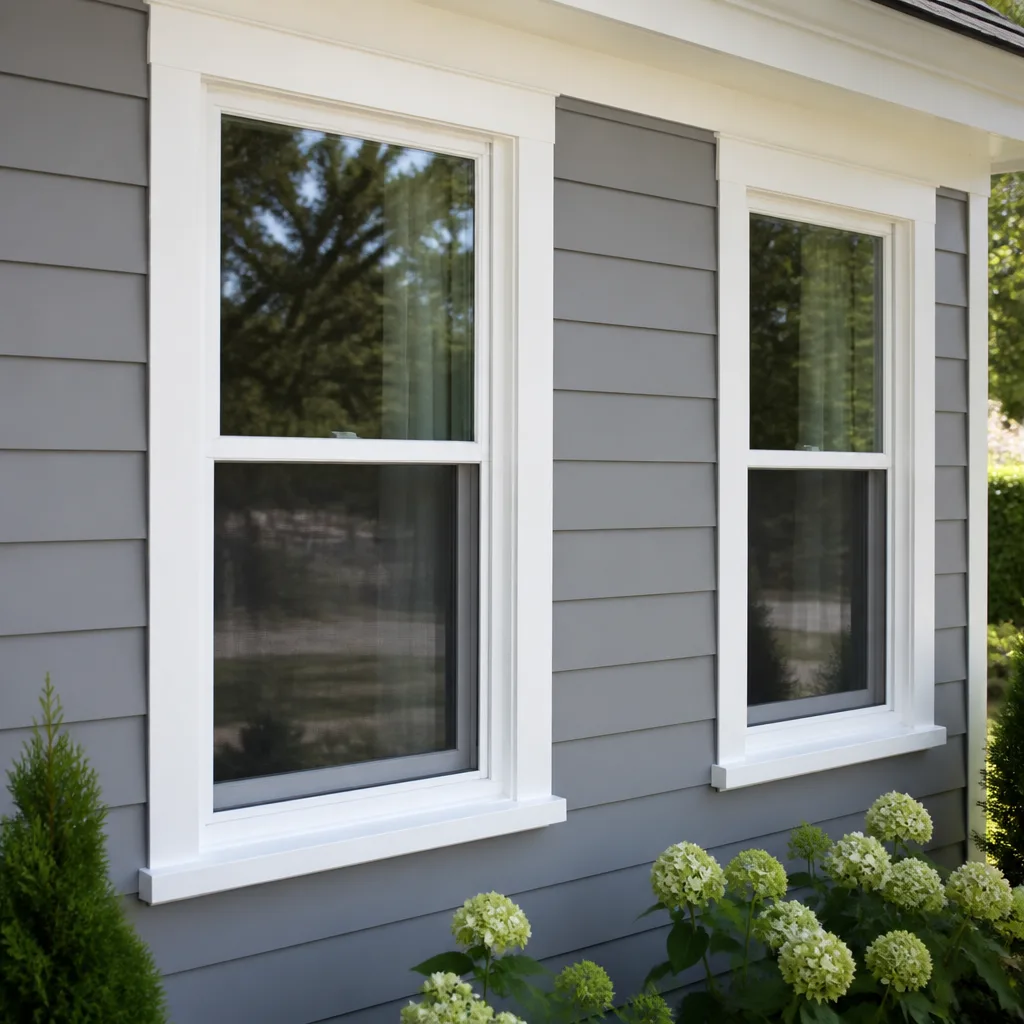
Double hung
Casement
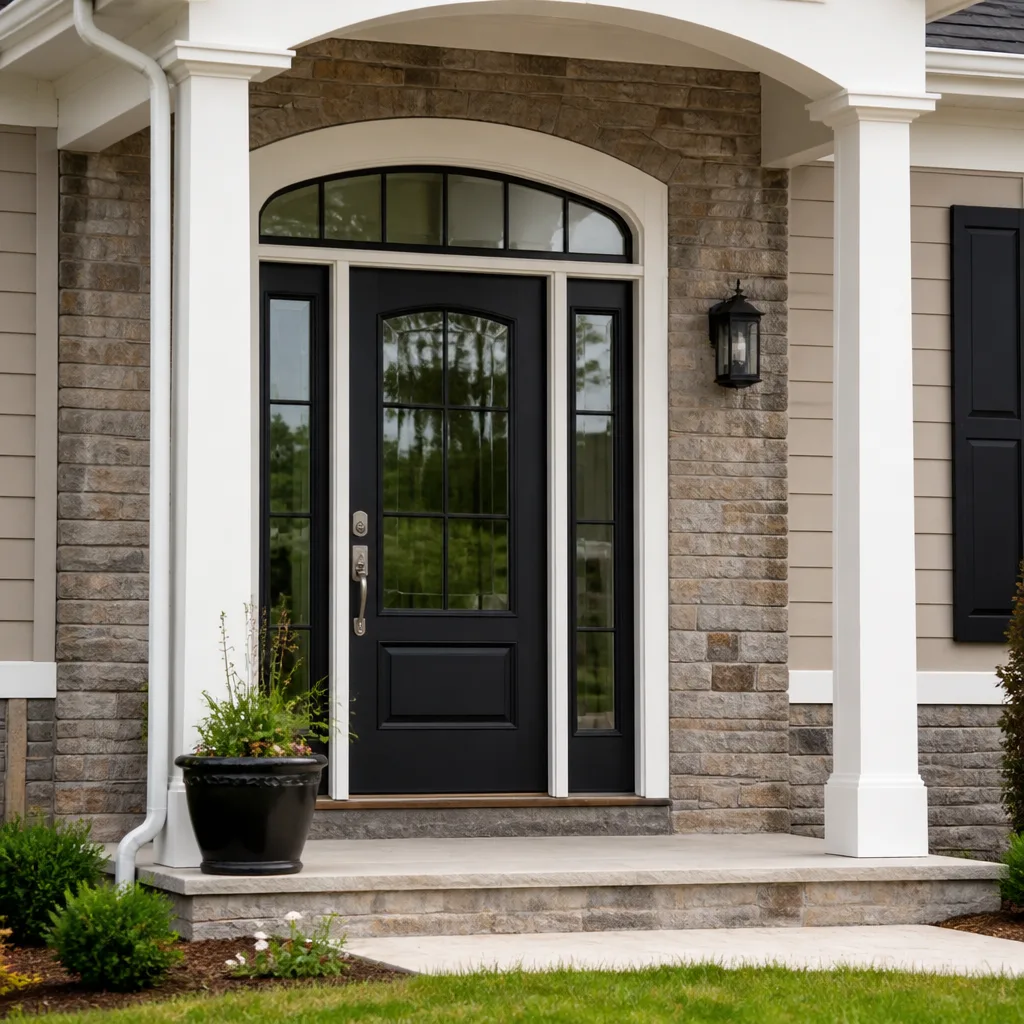
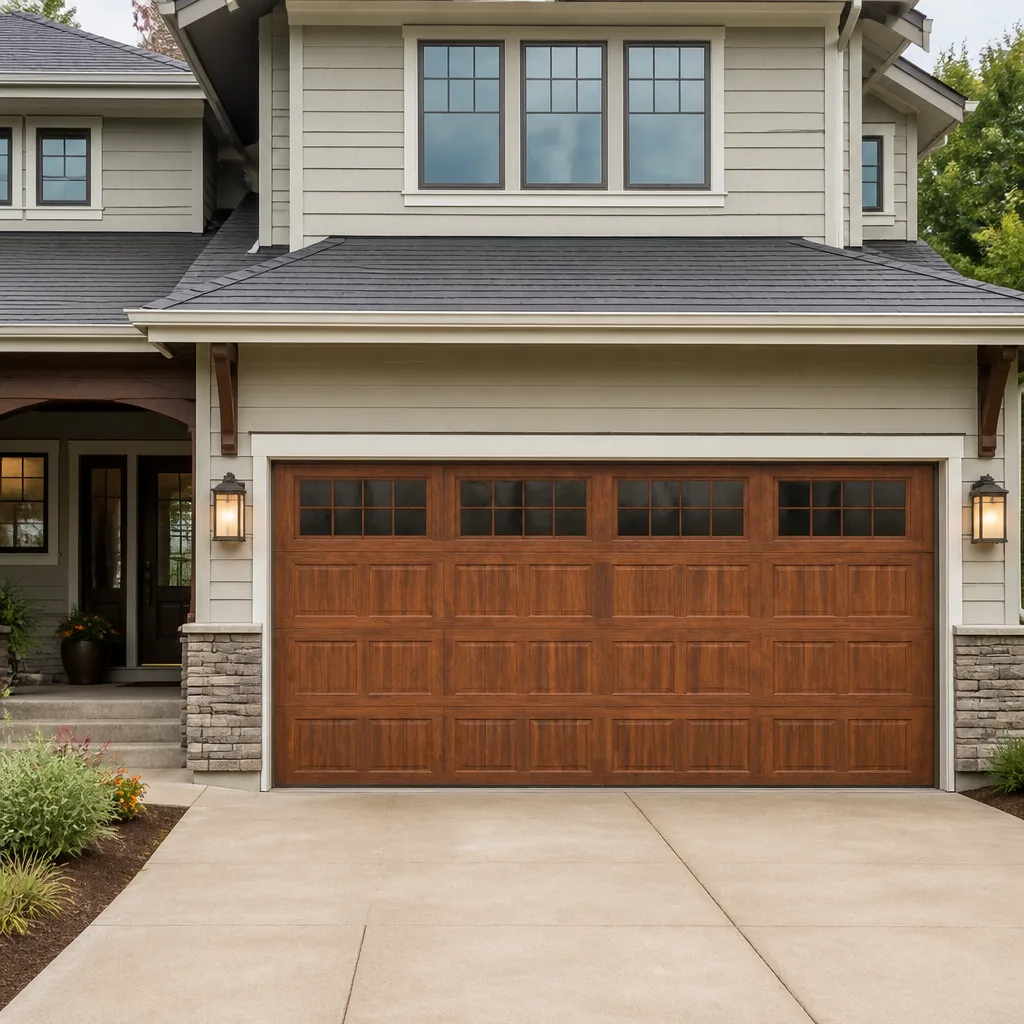
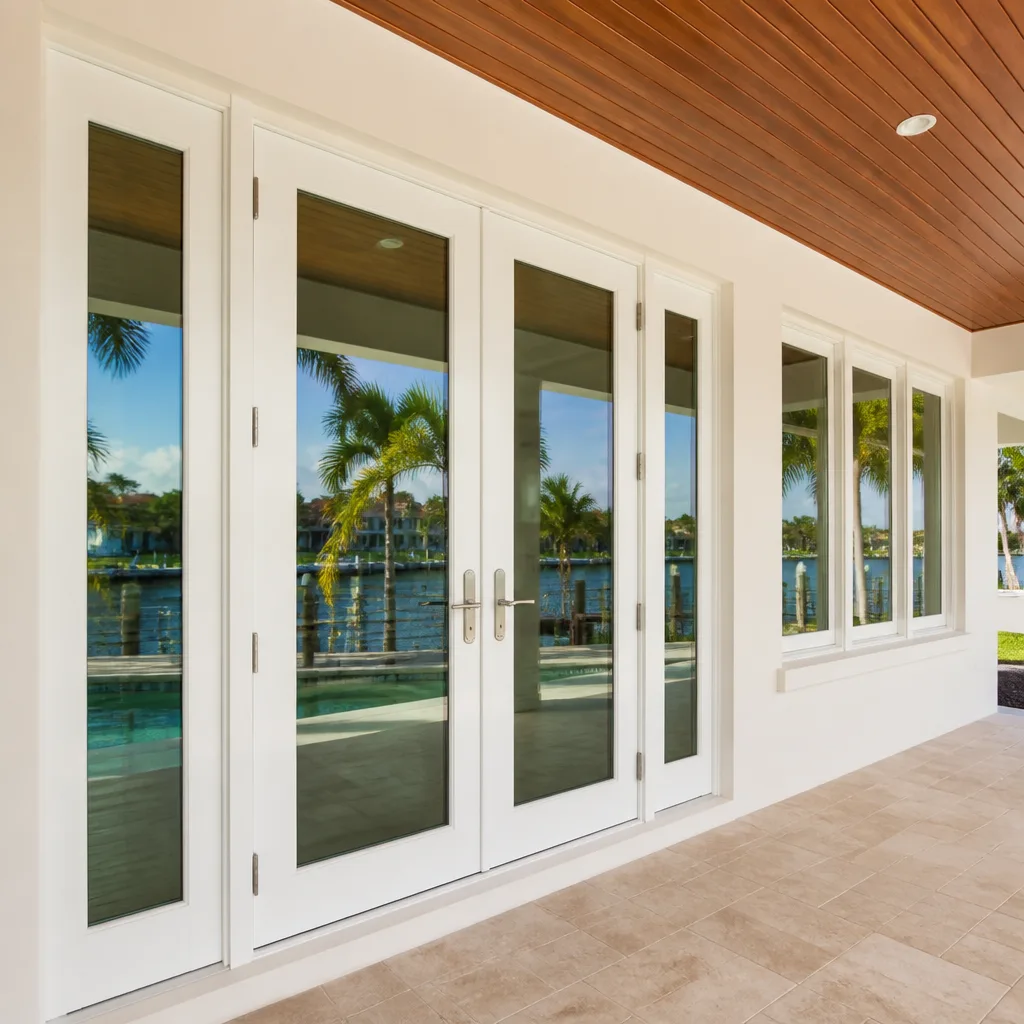

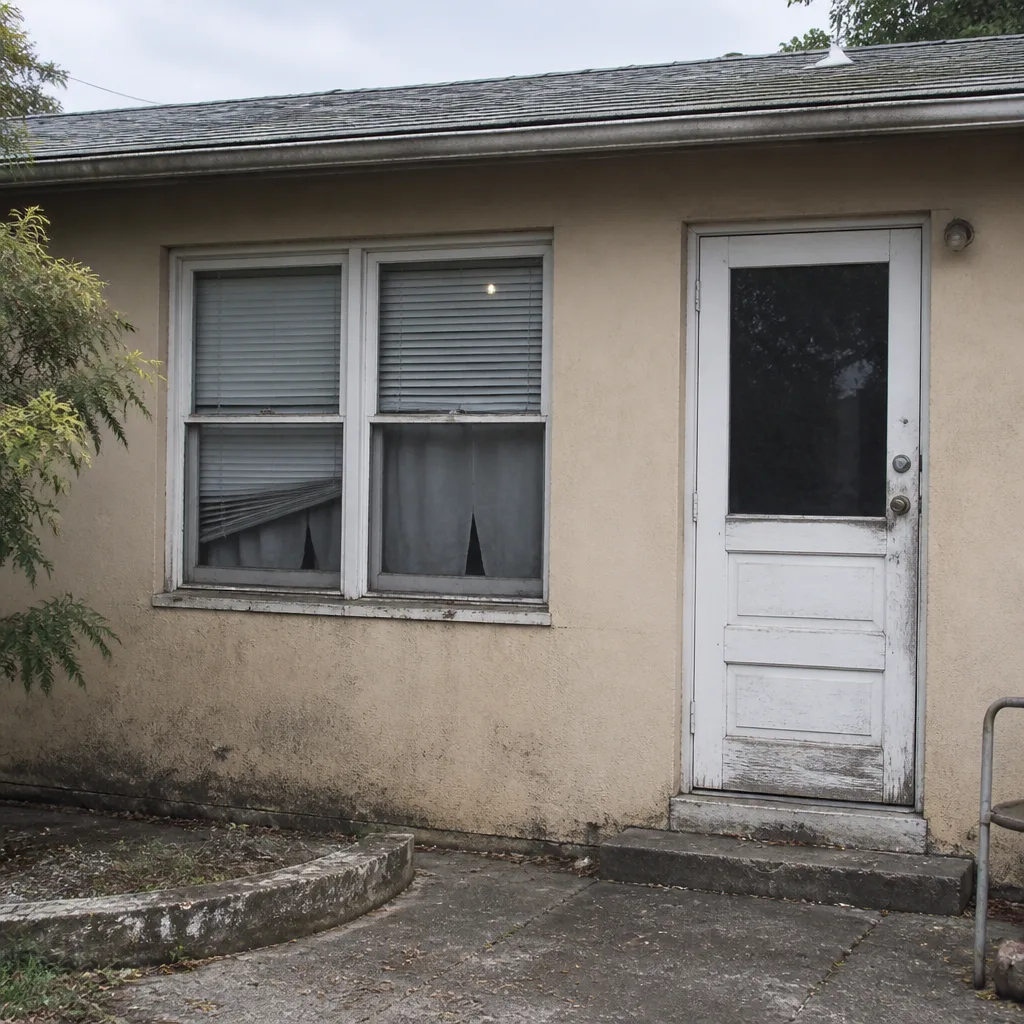 Before
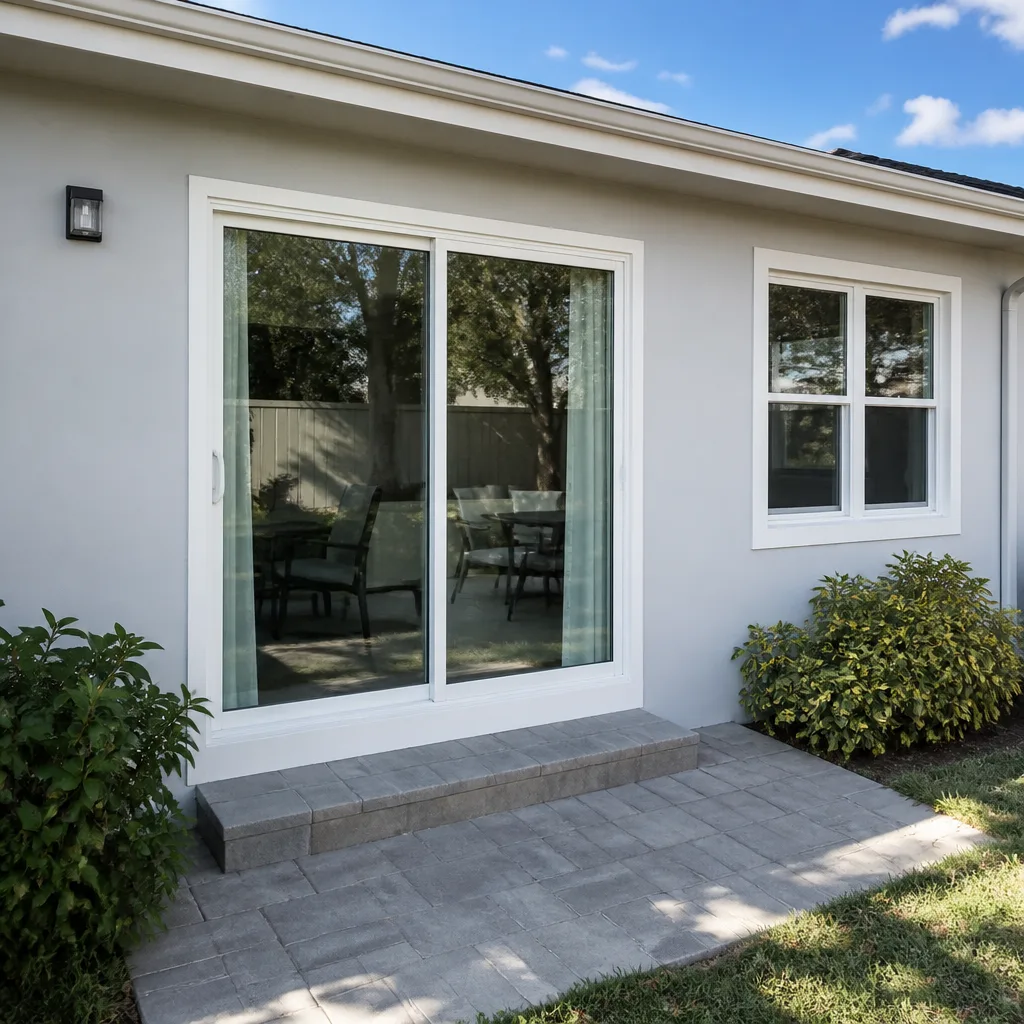 After
After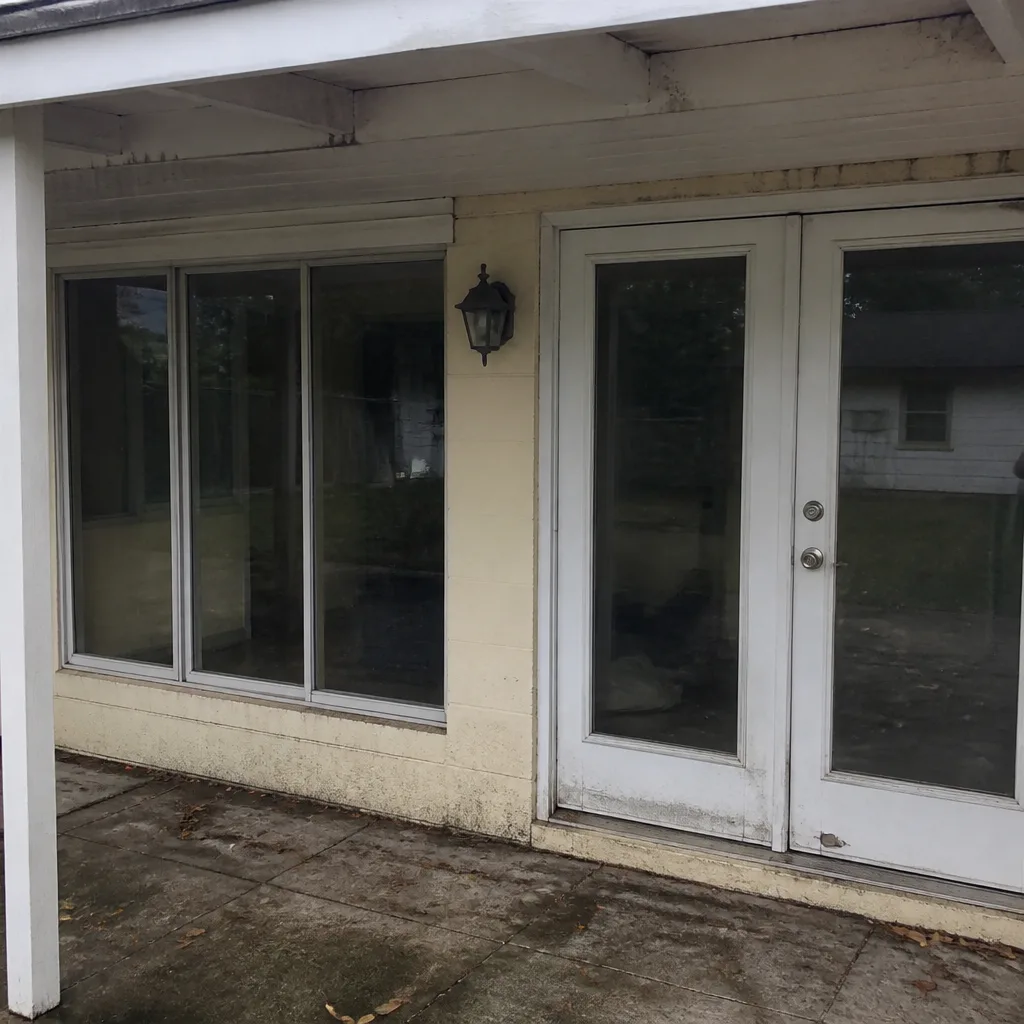 Before
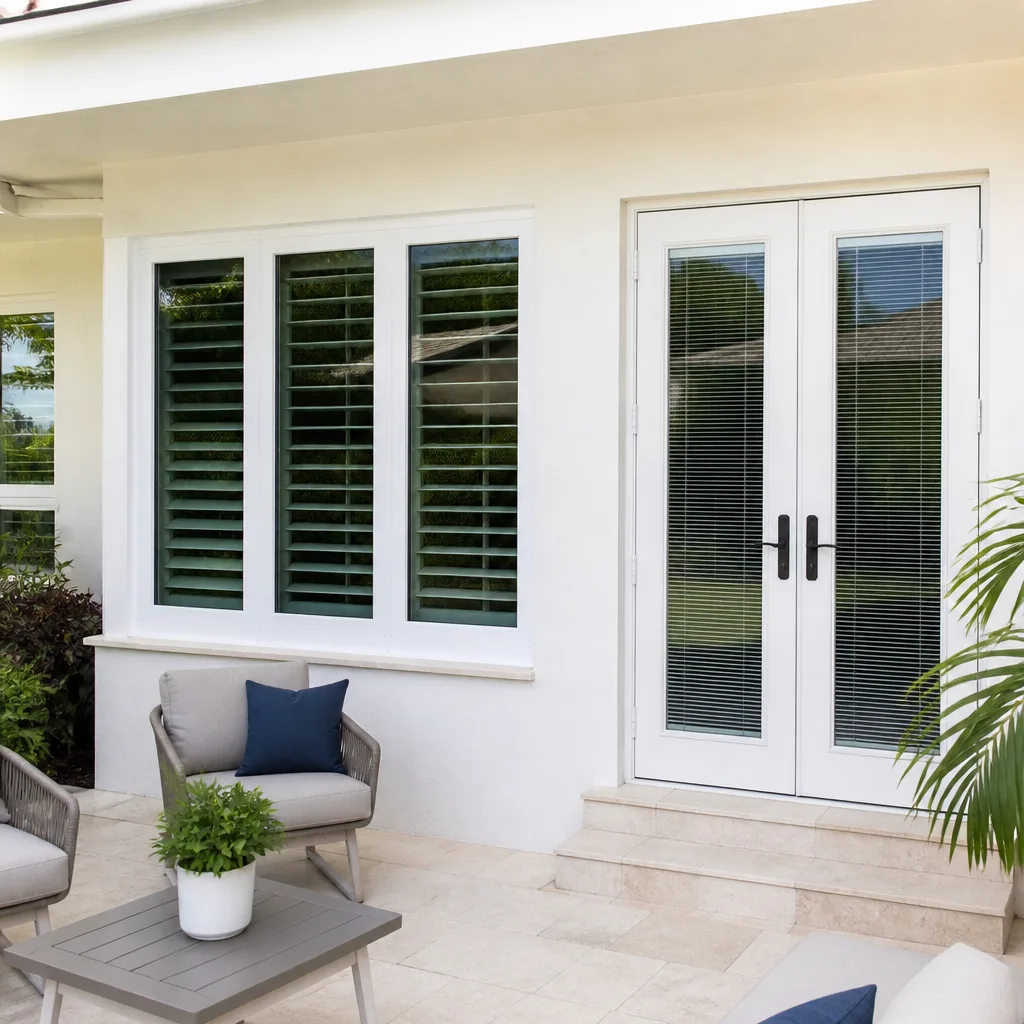 After
After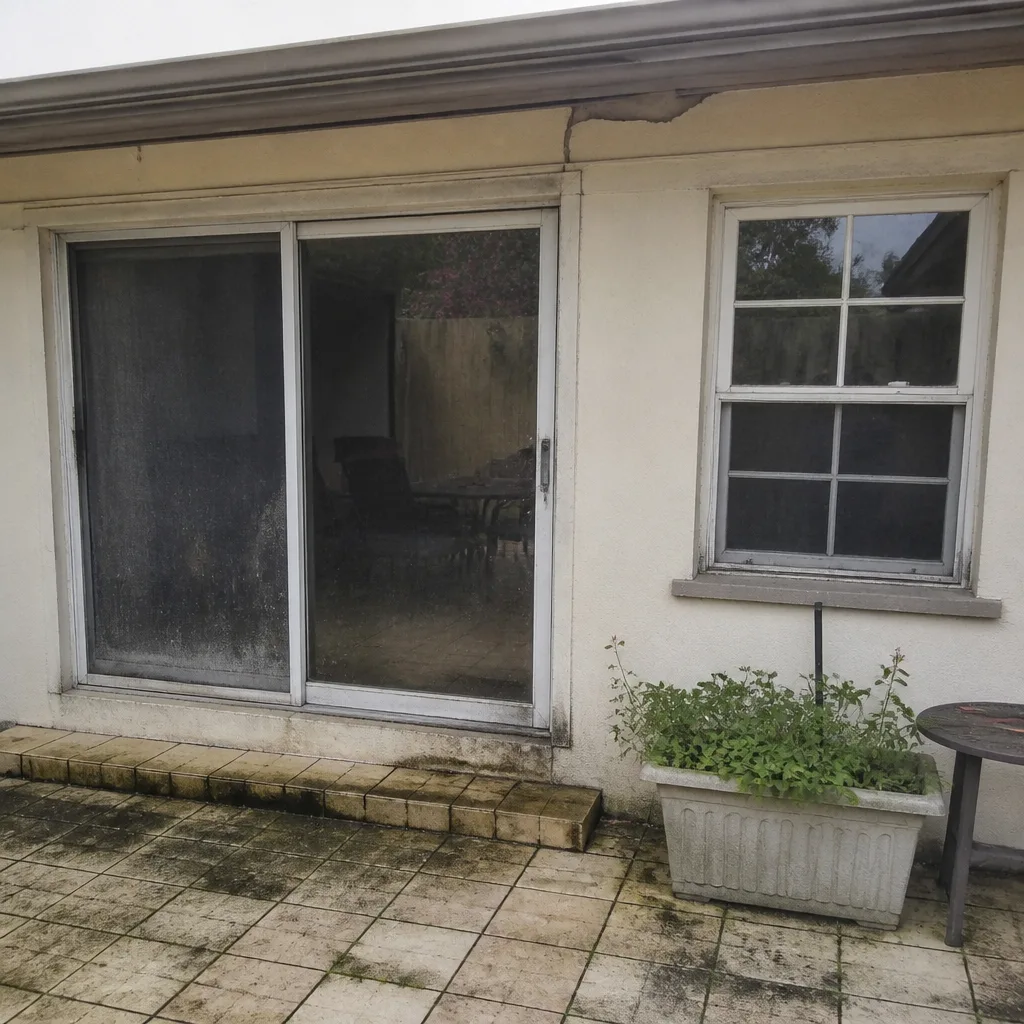 Before
 After
AfterSeasonal Windows & Doors Care for Westchester: Year-Round Homeowner’s Guide
Most “seasonal maintenance” guides get Westchester completely wrong. They’re written for the Northeast, where winter means frozen pipes and drafty windows. Here, the calendar flips: the months that destroy windows and doors are June through October, when hurricane-force winds, salt-laden rain, and relentless humidity work in rotation. And the repair window, the only stretch when a sealant bead actually cures the way the manufacturer intended, is a narrow band from November through January. This guide is built for that reality. You’ll learn which specific tasks belong on which month’s calendar, why your current maintenance schedule is probably off by six months, and how to keep the windows and doors on your Westchester home from quietly failing between inspections.
Quick Answer
Westchester windows and doors need a three-phase care calendar: a pre-storm inspection and tightening sweep in April and May, post-storm hardware checks from June through October, and all caulking, weatherstripping, and exterior sealant work between November and January. The single biggest mistake we see in Westchester is homeowners applying caulk or sealant during the humid summer months, when it looks fine for a week but fails within the year because moisture got trapped underneath.
Table of Contents
- The April Pre-Season Sweep: What to Inspect and Tighten Before the First Named Storm
- Why October, Not Spring, Is the Right Month for Fresh Sealant Around Your Door Frames
- How to Assess Impact Window and Door Hardware After a Major Storm Passes
- Dry-Season Tasks: Caulking, Weatherstrip Replacement, and Frame Touch-Up Paint
- Month-by-Month Task Calendar for Westchester’s Actual Climate
- Impact Windows in Westchester: Maintenance That Protects Your Warranty
- Common Mistakes to Avoid
- When to Call a Professional
- Frequently Asked Questions
- The Bottom Line
The April Pre-Season Sweep: What to Inspect and Tighten Before the First Named Storm
April in Westchester is your last genuinely pleasant month before the atmosphere turns hostile. The humidity is still manageable, the afternoon thunderstorms haven’t started their daily routine, and you can stand on a ladder without roasting. This is the month to do the work that prevents the emergency call in August.
Start with the fasteners. Every hinge, lock plate, and handle set on every window and door in your home should get a screwdriver test. Not a visual glance. Actually touch each screw. Westchester’s temperature swings, combined with the constant expansion and contraction of aluminum and vinyl frames, work screws loose even on windows installed last year. A screw that’s a quarter turn loose in April will be a rattling, leaking problem by mid-July.
Here’s the numbered inspection routine we’ve developed over 15 years of working on Westchester homes:
- Check every locking point on every window. This includes the primary lock and any secondary locks on sliding windows. If a lock feels sticky or requires force, clean it now. A window that’s hard to lock in April will get left unlocked in a storm.
- Inspect the weatherstripping on all exterior doors. Run your finger along the sweep at the bottom and the compression seals on the jambs. Look for flattening, cracking, or gaps where the seal meets the frame.
- Test the drainage holes. Every extruded aluminum or vinyl window frame has weep holes at the bottom that drain rainwater. In Westchester, these clog with pollen, dirt, and insect debris. Pour a small amount of water into the bottom track and watch it drain out. If it backs up, clean the holes with a stiff wire or compressed air.
- Examine the caulk joints around every window and door frame. Look for hairline cracks, peeling, or separation from the stucco or siding. Mark problem areas with painter’s tape. But here’s the thing: if you find cracks in April, resist the urge to fix them immediately. The right time for that caulk is October. More on that below.
- Check the exterior finish for pinholes and bubbling. In Westchester’s coastal air, aluminum frames can develop tiny corrosion spots that look like gray or white pimples. These are early-stage oxidation. A touch-up now, during the dry season, can add years to the frame.
One more thing specific to Westchester: check your garage door’s hurricane bracing if you have it, and check the seal along the bottom of the garage door. This is the most overlooked entry point on a Florida home. Water and wind-driven debris from a summer storm can enter here even when the main structure is fine. If you haven’t upgraded to an impact-rated window and door system, the garage door is often the weakest point in a Westchester home’s wind envelope.
Why October, Not Spring, Is the Right Month for Fresh Sealant Around Your Door Frames
Most homeowners think of spring as the natural time to caulk and seal. That’s true in the Northeast and Midwest, where spring arrives with moderate temperatures and low humidity. In Westchester, spring arrives with 75% humidity and a dew point that doesn’t drop below 65 degrees until mid-October. This matters because most exterior sealants, especially the high-performance polyurethane and hybrid-polymer products used on quality window and door installations, require specific conditions to cure correctly.
The technical explanation is straightforward. Sealant cures by reacting with moisture in the air, but that reaction is designed for a specific range. When the relative humidity is above 70%, the sealant skins over too quickly on the surface while the material underneath remains uncured. That trapped uncured material can bubble, crack, or fail to bond to the substrate. What looks like a clean bead in June might be a failing joint by Christmas. We’ve seen this exact failure pattern on homes across Westchester, and it’s one of the most common reasons a window or door starts leaking within a year of a “fresh caulk job.”
October is different. In Westchester, October is when the dew point finally drops into the 50s and the daytime humidity averages under 65%. The sealant can cure at the correct rate, from the inside out, and it forms a true chemical bond with the frame and the surrounding surface. The window you caulk in October is a window sealed for the next several years. The window you caulk in June is a coin flip.
This also applies to door thresholds and exterior door frame repairs. The same humidity that prevents sealant from curing also causes wood door frames to swell, making it impossible to get an accurate fit on replacement sweeps or new weatherstripping. In October, the wood has dried to its natural state, and your measurements will be right.
If you found caulk cracks during the April sweep, that’s fine. Note them. Tape them if they’re large enough to let water in. And then put the job on the calendar for the second week of October. That’s when the work actually gets done right.
How to Assess Impact Window and Door Hardware After a Major Storm Passes
After a major storm rolls through Westchester, the natural instinct is to step outside and look for visible damage: broken glass, split frames, holes in the roof. Here’s the problem: impact-rated windows and doors are engineered to take an enormous beating without failing visually. A window that looks fine from the outside can have compromised hardware, bent rollers, stressed lock points, or a broken seal that will only show up months later as fogging or leakage.
The post-storm check for impact windows and doors is a hardware and function check, not a glass check. Here’s what to do after the storm passes and you’ve verified there’s no structural damage to the home:
- Open and close every operable window, including the ones you never touch. A window that’s seized or difficult to move after a storm may have a bent frame or debris in the track. Don’t force it. Forcing a window with a bent frame can crack the glass or permanently warp the track.
- Lock and unlock every window three times. Impact window locks are designed to remain engaged during a storm and to keep the sash seated in the frame. If a lock doesn’t seat cleanly or the handle feels loose, the internal hardware may have taken a hit. It’s a small fix now and a big problem if you ignore it.
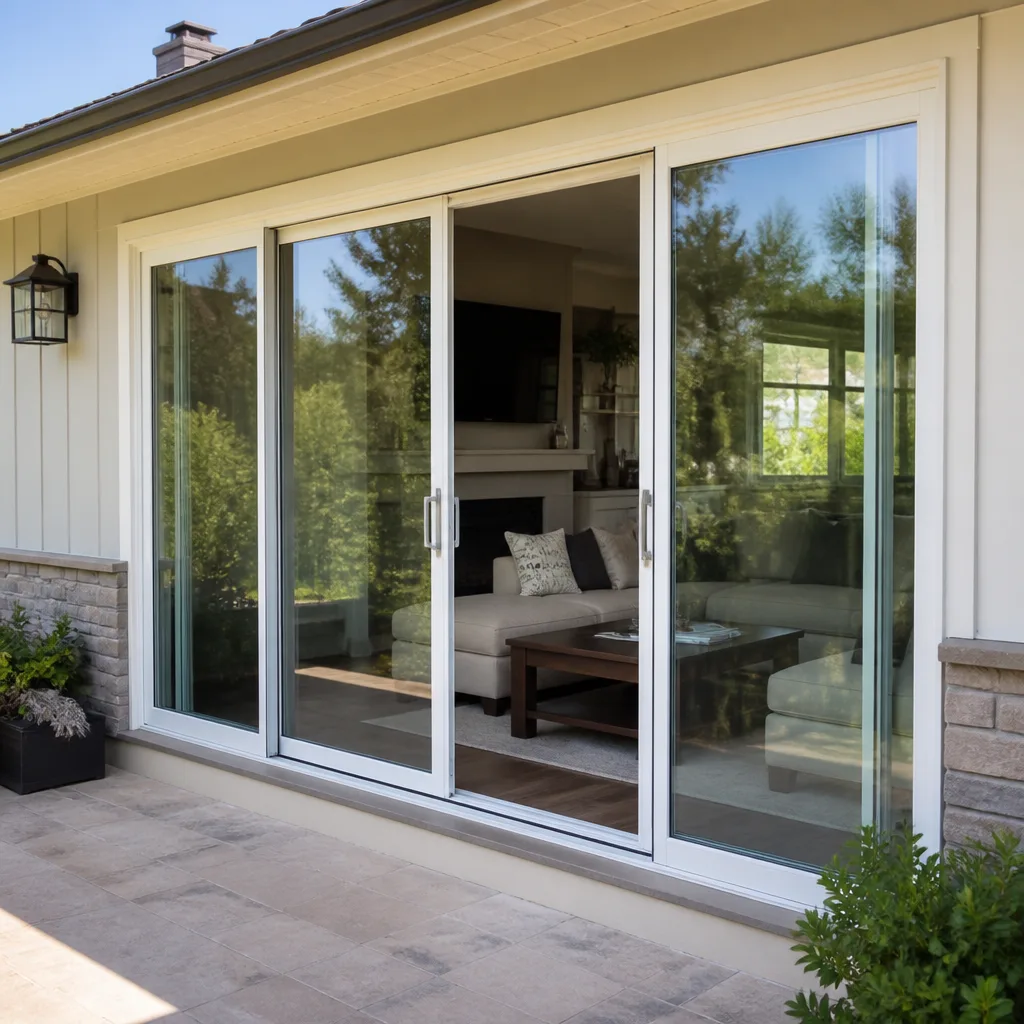
- Inspect the rollers on all sliding glass doors and sliding windows. Pick the door up slightly by the handle and let it settle. Listen for grinding, scraping, or a rough feel when the door moves. Bent rollers are a common post-storm failure, especially on doors that face the prevailing wind.
- Check the waterline on the exterior side of all windows and doors. Look for a tide mark, a line of debris, or a water stain inside the track. This tells you whether water went somewhere it shouldn’t have. If you see a waterline, dry the track completely and inspect for hidden damage.
- Check for two subtle signs of impact damage: hairline cracks radiating from a corner of the frame, and any window with a visible deflection, meaning the glass or frame shows a slight bow when you sight along it. Impact glass can take an object without breaking, but the frame and laminate layer can still be stressed.
- Look at the exterior sealant beads around the frame perimeter. High winds can flex a frame enough to crack an older caulk bead, even if the window itself is fine. A cracked bead is an open path for water.
One more note: after a major storm, you want to do this check within the first 72 hours, before the moisture, the salt air, and the heat have a chance to do their work. A bent frame or cracked seal that sits for a month in a Westchester summer can go from a $200 repair to a full window replacement. If you find something and you’re not sure whether it’s structural or cosmetic, get a second opinion from a qualified installer. We offer free second opinions on any written estimate for Westchester homeowners, and after a storm, that service gets called more than any other.
If you have impact windows from a manufacturer like PGT or CGI, the hardware and warranty requirements matter. Most impact window warranties cover the frame and glass against manufacturing defects, but they generally don’t cover hardware that fails due to lack of maintenance or undetected storm damage. The post-storm check is what protects that warranty.
Dry-Season Tasks: Caulking, Weatherstrip Replacement, and Frame Touch-Up Paint
December through February is the only stretch in Westchester when the air is dry enough and cool enough for three categories of work that go wrong in the summer months. If you have a maintenance calendar for your windows and doors, this is the block to reserve for these specific tasks.
Caulking and Exterior Sealant
As we covered earlier, sealant cures best in low humidity. December, January, and February in Westchester offer the lowest average relative humidity of the year, with daytime highs in the low 70s and dew points in the 40s and 50s. A bead of high-quality exterior sealant applied in January will cure completely within 24 to 48 hours. The same bead applied in July might still be uncured underneath after a week. This applies to the bead around window frames, door frames, thresholds, and any penetration through the exterior wall, including hose bibs, electrical conduits, and vent lines.
Weatherstripping Replacement
Weatherstripping, whether foam, rubber, or brush-type, needs a clean, dry installation surface to bond correctly. The adhesive-backed strips most commonly used around doors and windows will not adhere well to damp or dusty surfaces. In Westchester, the dry season is the only time you can reliably strip old weatherstripping, clean the channel, and install new material that will stay put. Here’s the right order of operations:
- Remove the old weatherstripping completely, including any adhesive residue.
- Clean the channel or mounting surface with a solvent and let it dry completely.
- Measure the channel length and cut the new strip slightly long, letting it compress into place rather than stretching it.
- Press the strip into place fully. Don’t stretch it. Stretched weatherstripping will shrink back and leave gaps.
- Close the window or door and run a piece of paper around the seal. You want light resistance. If the paper falls out, you need a thicker profile.
Frame Touch-Up Paint
Exterior paint and coatings have minimum temperature and humidity requirements for proper application, usually above 50°F and below 80% humidity. In Westchester, the summer months routinely hit 90°F with 75% humidity by mid-afternoon, which means paint applied in those conditions will cure too fast on the surface and remain soft underneath, leading to early peeling and a chalky finish. And the interior side has its own problem: during the rainy season, moisture trapped inside the wall can wick outward through the frame, preventing paint adhesion. The December-to-February window avoids both issues. This is the time to touch up aluminum frame paint, repaint a sun-blasted door, or address any exterior coating on window mullions and transoms.
Month-by-Month Task Calendar for Westchester’s Actual Climate
Here’s the task calendar we recommend to homeowners in Westchester. It addresses the climate we actually have, which is a long, hot, humid rainy season from May through October and a short, mild dry season from November through April. The dry season itself has two phases: the usable cool dry winter months and the warm, pre-storm spring months in April and May when you’re preparing, not repairing.
January
- Caulk and seal all exterior window and door frames during the low-humidity window.
- Replace worn weatherstripping on doors and windows.
- Touch up frame paint and exterior coatings on the north and west sides of the home, which get the most weather exposure in Westchester.
- Inspect sliding door tracks and clean them thoroughly.
February
- Finish any caulking or weatherstripping that wasn’t completed in January.
- Inspect and replace door sweeps on exterior doors.
- Lubricate all window and door hinges, locks, and rollers with a dry silicone lubricant.
- Check the drainage weep holes on all windows and clear them if needed.
March
- Do a visual inspection of the roof flashing around skylights, vents, and the roof-to-wall junction where windows and doors meet the roofline.
- Check exterior door frames for soft spots or water staining, particularly on the bottom corners.
- Schedule a window installation or replacement consultation if you know you have a failing unit, before the spring rush begins.
April
- Complete the full pre-season sweep described above: every fastener, every lock, every weatherstrip, every caulk bead.
- Check the garage door bottom seal and the garage door framing.
- Make a list of every small crack, gap, and failing seal. You’re not fixing them yet; you’re documenting them.
- Confirm your window and door warranty paperwork is in order and accessible.
May
- Check the operation of all locking points on all windows and doors.
- Clean the window and door tracks one more time before the afternoon thunderstorms begin.
- Inspect the exterior perimeter of the home for any signs of water intrusion from the previous year’s rainy season.
- Pre-position a plan for the summer: if you find a leak, you know who to call, and you’re not trying to figure it out at 2 a.m. during a storm.
June through September
- After any major storm or wind event, do the post-storm hardware check described above.
- Check the tracks and drainage weep holes after periods of heavy rain to make sure they’re draining.
- Resist the urge to caulk or seal anything during these months. If you must address a leak immediately, use a temporary, paintable sealant designed to work in humid conditions, and plan to redo it properly in the dry season.
October
- First two weeks: the humidity has dropped. Begin the proper caulking and sealant work you’ve been waiting on since April.
- Replace door thresholds if needed, now that wood frames have dried to their natural state.
- Inspect the home for damage from the summer’s storms, especially on the east and south sides where afternoon thunderstorms hit hardest.
November and December
- Complete any remaining caulking, weatherstripping, and touch-up paint work before the holiday season.
- Do a final inspection of the whole home: every window, every door, the roof flashing, the garage door seal.
- Schedule any necessary window replacement work for the new year, while installers still have open schedules and the weather is cooperative.
Impact Windows in Westchester: Maintenance That Protects Your Warranty
If you have impact windows in your Westchester home, the maintenance routine matters more, not less, than a standard window. Impact windows are engineered as a system: the laminated glass, the reinforced frame, the multi-point locks, and the sealant around the frame all work together. When one component is allowed to fail, the entire system underperforms, and the warranty does not cover damage caused by neglected maintenance.
Here are the specific maintenance tasks that keep an impact window system working the way it was engineered to work, and keep the warranty intact:
- Keep the drainage weep holes completely clear. An impact window with clogged weep holes holds water in the track, which corrodes the internal hardware and can wick moisture into the wall cavity. It’s the most common preventable failure we see on impact windows in Westchester.
- Exercise the multi-point locks monthly during the storm season. Impact windows use a multi-point locking system to distribute wind load across the frame. A lock that’s not exercised regularly can seize in the open position, which means the window’s wind resistance is compromised.
- Inspect the glazing bead and the gasket around the glass unit. These are the flexible seals that hold the glass unit in the frame and cushion it during impact. If the gasket is cracked, loose, or pulling away, the glass can shift in the frame during a wind event, potentially breaking the seal or the glass itself.
- Check for seal failure in the laminated glass unit. With impact glass, a failed seal shows up as a milky or cloudy appearance between the layers of laminate, or as condensation inside the glass unit that you can’t wipe off. This is a signal that the glass unit needs to be replaced.
If your home was built before 2002 or the windows were installed more than 15 years ago, the impact windows may not meet current Westchester building code requirements for wind-borne debris protection. The Florida Building Code has been updated multiple times since Hurricane Andrew, and the wind-speed requirements for Westchester are now stricter than they were even a decade ago. A window replacement consultation will tell you whether your current windows are up to code and whether a replacement would reduce your insurance premiums. Impact windows from brands like ES Windows, ECO Window Systems, and Mr-Glass are designed to current code and backed by the manufacturer’s warranty.
One more thing specific to a coastal community like Westchester: impact windows also reduce solar heat gain and block a portion of UV rays. But the film and coating performance matters. When you maintain the window properly, the seal stays intact, and the Low-E coating continues to reflect heat away from the home. When the seal fails, the window’s energy performance declines even if the glass is still intact. The maintenance routine is also an energy-cost routine.
Common Mistakes to Avoid
- Caulking in the summer. In Westchester, summer caulking fails more often than it succeeds because the high humidity prevents the sealant from curing correctly. The job looks fine for a month and then starts to peel, crack, or let water in. Do it between November and January.
- Ignoring the weep holes. Clogged weep holes trap water inside the window track, which corrodes the hardware and can lead to leaks that look like they’re coming from the window. Cleaning them takes five minutes and prevents a lot of damage.
- Not doing the post-storm hardware check. Impact windows often survive a storm with no visible damage, but the internal hardware can be stressed or bent. If you never check it, the first sign of trouble is a window that won’t lock or a door that jams.
- Forcing a window that’s stuck. After a storm, a window that won’t move may have a bent frame or debris in the track. Forcing it can crack the glass or permanently damage the frame. Check for debris first, then call a professional if the window still won’t move.
- Using the wrong lubricant on door and window hardware. WD-40 and other penetrating oils attract dust and gum up the tracks and locks. Use a dry silicone lubricant or a Teflon-based product on all moving hardware.
- Painting or caulking in direct sun on a hot afternoon. Even in the dry season, a surface temperature above 90°F will cause paint and sealant to cure too fast. Work on the shaded side of the home, or wait for an overcast day.
- Ignoring the garage door. The garage door is the largest opening in most Westchester homes and the most vulnerable to wind-driven rain and pressure damage. The bottom seal, the tracks, and the panel hinges all need regular inspection along with the rest of the exterior.
When to Call a Professional
Some window and door maintenance is genuinely DIY, but there are specific situations in Westchester where a homeowner should not attempt the repair themselves. If you see water staining on the ceiling or walls near a window, the leak may be from the window frame, but it could also be from the roof flashing, a plumbing issue, or a crack in the exterior wall. Diagnosing the actual source takes experience and testing. If a window has a visible crack in the glass, even a hairline crack, it’s no longer meeting its design wind load and should be replaced, not patched. If a door frame shows soft spots when you press on it, there is wood rot behind the surface, and it will only get worse. If an impact window is fogging between the panes, the sealed unit has failed and needs to be replaced by a qualified installer. Winslow Windows & Doors offers free estimates in Westchester, call (850) 721-1218, and a free second opinion on any written estimate if you’ve been told you need work you’re not sure about.
Frequently Asked Questions
The best months to caulk windows and doors in Westchester are November through January, when the humidity is low enough for sealant to cure properly. Summer caulking (May through October) often fails prematurely because the high humidity prevents a proper cure. Call (850) 721-1218 for a free consultation on the right sealant for your Westchester home.
In Westchester, windows and doors should be inspected twice a year: a full pre-storm sweep in April or May, and a thorough dry-season inspection in December or January. After any major storm or wind event from June through October, you should also do the post-storm hardware check described in this guide. Call (850) 721-1218 if you find something you’re unsure about.
Yes. Impact windows in Westchester require regular attention to the weeping and drainage holes, the multi-point locking systems, and the gaskets around the glass unit. The warranty on impact windows generally requires that these components be maintained, and neglect can void the warranty. If your impact windows are older than 15 years, a window installation inspection will tell you whether they meet current code.
For most Westchester homes, the garage door is the weakest point in a hurricane because it is the largest opening and often lacks the reinforcement of the rest of the structure. A failing garage door can allow wind pressure into the home, which can blow out windows and even lift the roof. Upgrading to an impact-rated garage door is one of the highest-value improvements a Westchester homeowner can make.
Yes, weatherstripping replacement is a reasonable DIY task for most homeowners, but do it during the dry season (December through February) in Westchester. The adhesive-backed strips will not bond correctly to damp or dusty surfaces, and the humidity during the summer months will cause the work to fail. If the weatherstripping channel is damaged or the window is old enough that the channel has become brittle, a professional installation may be the better option. We’re happy to advise, call (850) 721-1218.
Window and door repair costs in Westchester vary widely depending on the specific problem. A simple weatherstripping replacement or track cleaning is usually under $100. A broken lock or latch might run $100 to $200 for parts and labor. A full window replacement on an average Westchester home typically starts around $650 per window for a standard vinyl unit and goes up from there for impact-rated glass and custom sizes. Winslow Windows & Doors offers $40 off any repair over $200 and a 10% discount for seniors and veterans. Call (850) 721-1218 for an exact quote, estimates are free.
The Bottom Line
Westchester doesn’t follow the seasonal maintenance calendar that most national guides assume. Here, the damage season runs from June through October, and the repair season runs from November through January. The April pre-season sweep catches the loose screws, clogged weep holes, and worn weatherstripping before the first storm. The post-storm hardware check catches the hidden damage that impact windows are designed to absorb. And the dry-season work, the caulking, sealing, and weatherstripping that can’t be done correctly in the humid months, is what keeps the whole system sound for another year. If you follow this calendar, you’ll spend less money over the life of your home and avoid the emergency call during the one time of year when every contractor in Westchester is already stretched to the limit. And if you ever need a second set of eyes, Winslow Windows & Doors home is right here, owned and operated locally. Ed’s name is on the door, and on every job we do.
Written by Ed Winslow, Owner at Winslow Windows & Doors, serving Westchester since 2011.
Six Reasons Homeowners Choose Winslow Windows & Doors
Impact systems engineered to design pressures up to +/-100, matched to your wind zone - your openings hold when the storm arrives.
Low-E insulated impact glass from our manufacturer lines commonly cuts monthly cooling bills 20-30%.
Laminated impact glass shuts out up to 40% of outside noise - traffic, neighbors, weather.
Monitoring services run $30-90 a month. Laminated impact glass resists forced entry around the clock, with no subscription.
Florida homeowners average around 25% savings on the windstorm portion of their policy after protecting every opening - some homes qualify for more.
A full impact package upgrades curb appeal, buyer confidence and appraised value in one project.